
Bridging the Gap: Professional Methods to Connect Your Mustache
The transition between a mustache and a beard is often the most difficult area to master. Achieving a seamless connection is less about genetics and more about disciplined maintenance and understanding hair growth patterns.
- ›Patience is mandatory as the connectors often grow slower than the chin or cheek hair.
- ›Avoid trimming the 'bridge' area for at least six to eight weeks to assess true density.
- ›Use Grizzly mustache wax to train hairs to grow downward and outward toward the beard line.
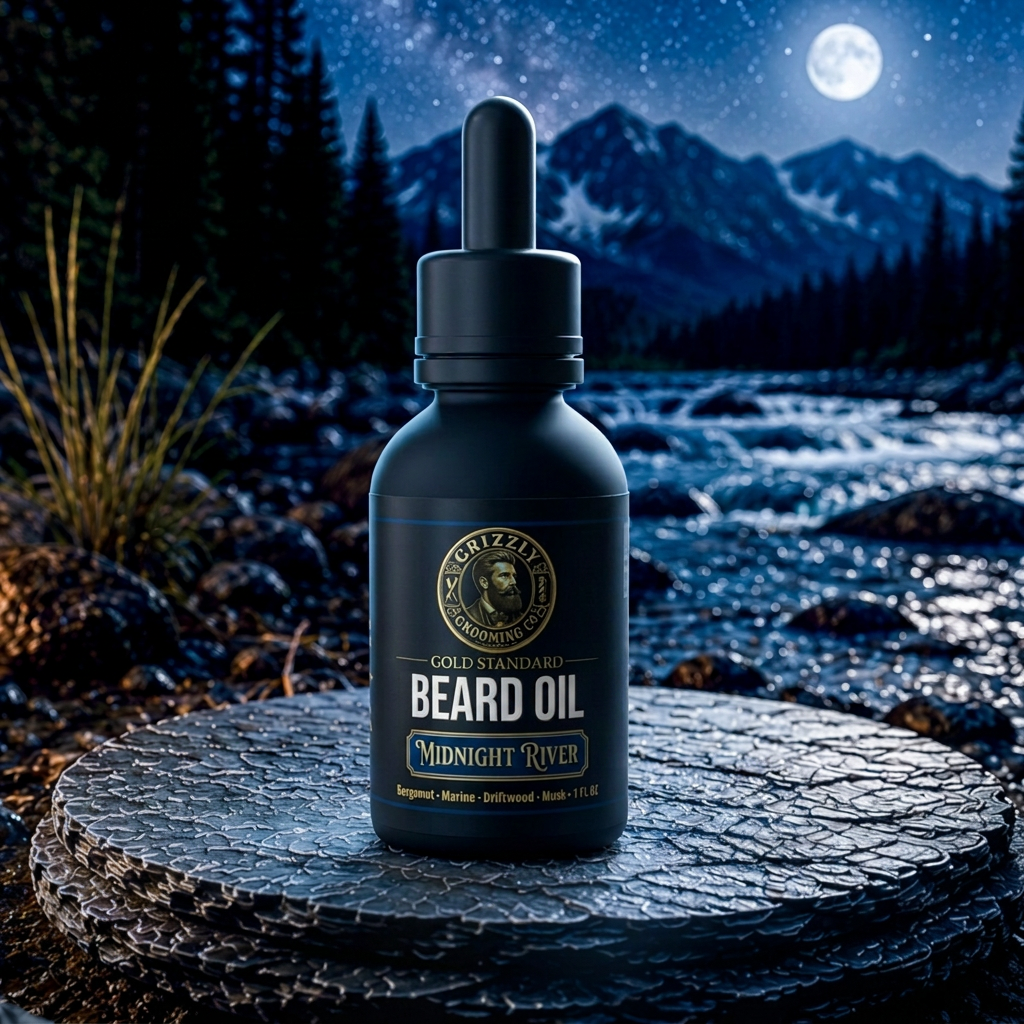
- ›Proper hydration via beard oil prevents breakage in the high-friction mouth area.
Understanding the Growth Cycle
The hair follicles located at the corners of the mouth often have a different growth rate and terminal length than those on the chin or cheeks. For many men, these hairs grow slower and thinner, making the connection appear sparse during the initial weeks of growth.
Allowing the mustache to grow undisturbed for a minimum of two months is essential. This duration provides enough time for 'sleeper' follicles to activate and for existing hairs to reach a length where they can be manually directed to cover thinner spots.
Strategic Trimming for Density
The most common mistake men make is trimming the mustache too high above the lip line. To foster a connection, you must allow the outer corners of the mustache to grow longer than the center, creating a weight line that naturally drifts toward the beard.
When using shears, only remove the stray hairs that physically enter the mouth. Leave the bulk of the hair at the corners of the lips intact, as this volume is what creates the visual bridge to your facial hair on the jawline.
The Role of Mustache Wax and Training
Hair grows in the direction it is trained. By using a firm-hold mustache wax, you can guide the hairs at the lateral edges of the philtrum toward the cheeks. This mechanical training eventually encourages the follicles to lay in a way that minimizes the gap.
Apply a small amount of wax daily and use a fine-tooth comb to sweep the hairs outward. This not only makes the mustache look more intentional but also protects the hair from the moisture and acids found in food and drink, which can lead to brittle ends.
Skin Health and Follicle Support
A connected mustache requires a healthy foundation. The skin around the mouth is prone to dryness and irritation, which can stifle hair growth. Incorporating a dedicated beard oil into your routine ensures the skin remains supple and the hair remains elastic.
If the skin is neglected, you will experience itching and beardruff, often leading to over-trimming or picking at the hair. Use Grizzly beard oil twice daily, focusing specifically on the corners of the mouth where the connection occurs to keep the follicles active and healthy.
Frequently Asked Questions
How long does it take for a mustache to connect?
Most men will see a definitive connection within 8 to 12 weeks of growth. It is important to resist the urge to trim during this period, as the connector hairs often grow at a slower pace than the rest of the mustache.
Does shaving make the mustache grow in thicker?
Shaving does not change the thickness or growth rate of hair follicles. The only way to achieve a thicker connection is through time, proper nutrition, and maintaining the hair you already have with quality beard butter and oils.
What if my mustache just refuses to connect?
If you have a persistent gap after three months, consider a 'disconnected' style like the Van Dyke. Alternatively, use a high-hold wax to style the mustache wider, creating a visual illusion of a connection by overlapping the hair onto the beard area.
Build your ritual in 60 seconds.
Answer four questions and get a custom regimen — plus a 15% bundle discount.
Start The Ritual Builder