Bridging the Gap: Mastering the Mustache and Beard Connection
A disconnected mustache is often more a result of premature trimming than lack of genetics. Achieving a seamless bridge between the upper lip and the jawline requires a disciplined approach to both growth and weight management.
- ›Wait at least twelve weeks before attempting to shape the connection points.
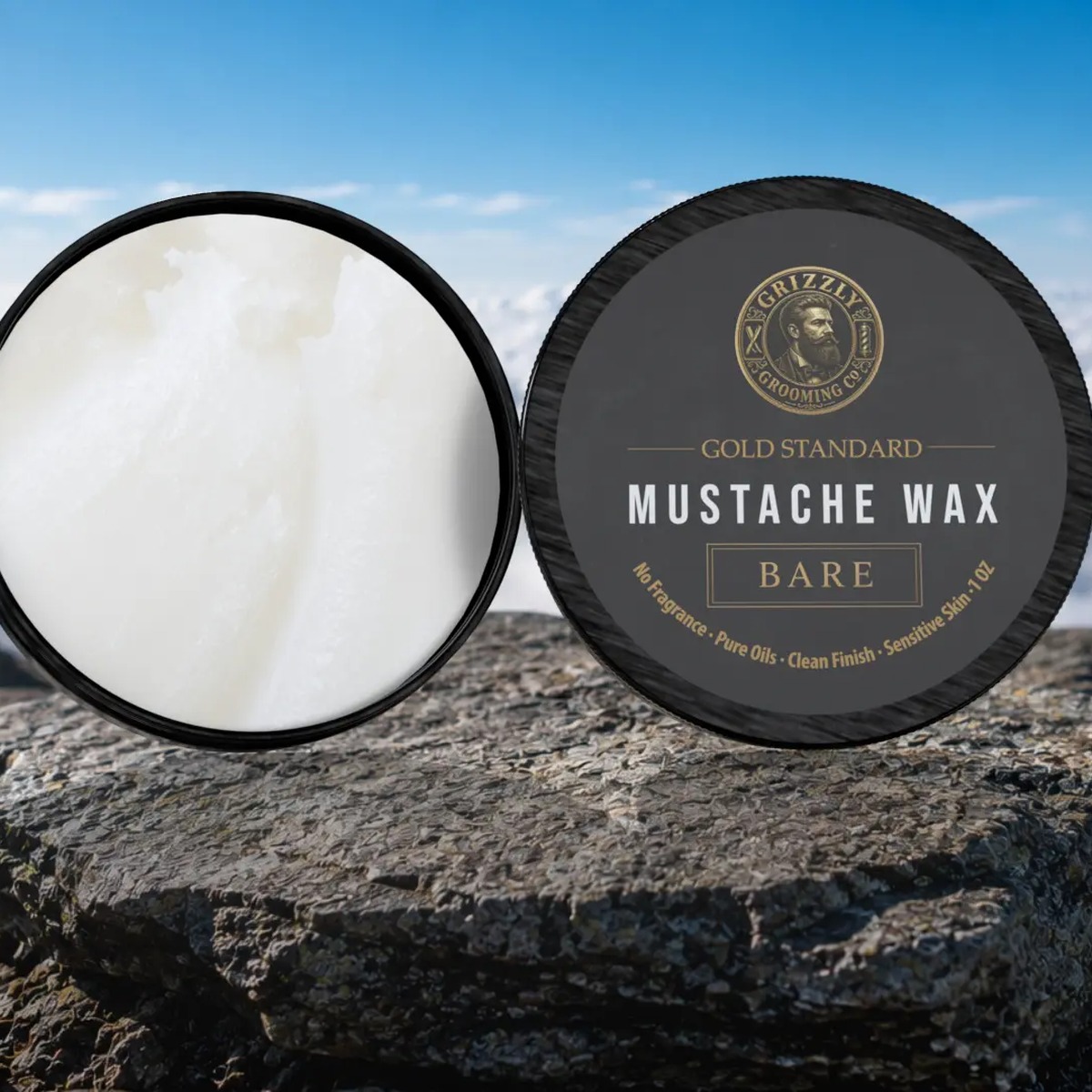
- ›Direct growth downward using a high-hold Mustache Wax to bridge sparse areas.
- ›Stop trimming the 'corners' of the mouth where the mustache meets the beard.
- ›Moisturize the underlying skin to prevent follicle damage and hair breakage.
The Twelve-Week Rule of Growth
Most men mistakenly believe their mustache won't connect after only a month of growth. In reality, the hair follicles in the philtrum and the corners of the mouth often grow at different rates and cycles.
You must allow at least ninety days of uninterrupted growth before making a final assessment of your connection. During this phase, resist the urge to trim the hairs that hang over the edge of your mouth, as these are the very strands that will provide the necessary coverage.
Structural Training and Styling
Once the hair has reached a length of roughly half an inch, it will likely begin to flare outward or curl. To direct these hairs toward your beard, you need a firm styling agent like our Mustache Wax.
Apply a small amount to the corners of the mouth and comb the hair diagonally downward toward the jawline. This physical training encourages the follicles to lay flat against the skin, filling in the gaps through strategic overlapping rather than just sheer density.
Managing the Connector Junction
The area where the mustache meets the cheek is a high-movement zone. Every time you speak or eat, these hairs are stressed, which can lead to split ends and apparent thinning.
Integrate Beard Oil into your daily routine to keep these specific hairs supple. By softening the cuticle at the junction point, you prevent the breakage that often creates the illusion of a gap in an otherwise full mustache.
Strategic Trimming for Density
When you eventually reach the trimming stage, use a pair of professional shears rather than electric clippers. Clippers are too aggressive and often remove the foundation hairs required for a solid connection.
Focus only on removing the stray hairs that sit outside the natural line of the mustache. By leaving the interior bulk untouched, you create a shelf of hair that rests on the beard, providing the visual density needed for a unified look.
Internal and External Support
Healthy growth depends on a clean environment. Using a dedicated Beard Wash ensures that the pores around the mouth remain clear of debris and excess sebum, which can stifle follicle productivity.
Consistent hydration and a diet rich in biotin and zinc will support the keratin production necessary for thicker hair strands. Thickening the individual diameter of each hair makes a connection appear much more substantial, even if the follicle count is average.
Frequently Asked Questions
Why does my mustache grow slower than my beard?
Follicles on the upper lip are often more sensitive to DHT and have shorter growth cycles than those on the chin. This discrepancy is natural, which is why the mustache requires significantly more time to catch up in length and density.
Can I use Beard Balm to help my mustache connect?
Yes, our Beard Balm provides a medium hold that is excellent for training the side hairs of a mustache to sit flush against the beard. It is particularly effective for those with coarser hair textures who need weight to keep the connection in place.
What should I do if my hair is patchy at the corners?
If the hair is physically absent, use the length of the surrounding mustache hair to comb over the patch. By using a firm wax and a fine-tooth comb, you can create a bridge that covers the gap entirely.
Build your ritual in 60 seconds.
Answer four questions and get a custom regimen — plus a 15% bundle discount.
Start The Ritual Builder