Bridging the Gap: How to Grow a Thick Mustache That Connects
The bridge between the mustache and the beard is often the most stubborn area of facial hair to develop. Achieving a seamless connection requires a combination of patience, topical follicle support, and specific grooming maneuvers that most men overlook.
- ›Wait at least four to eight weeks before assessing your mustache's natural growth pattern.
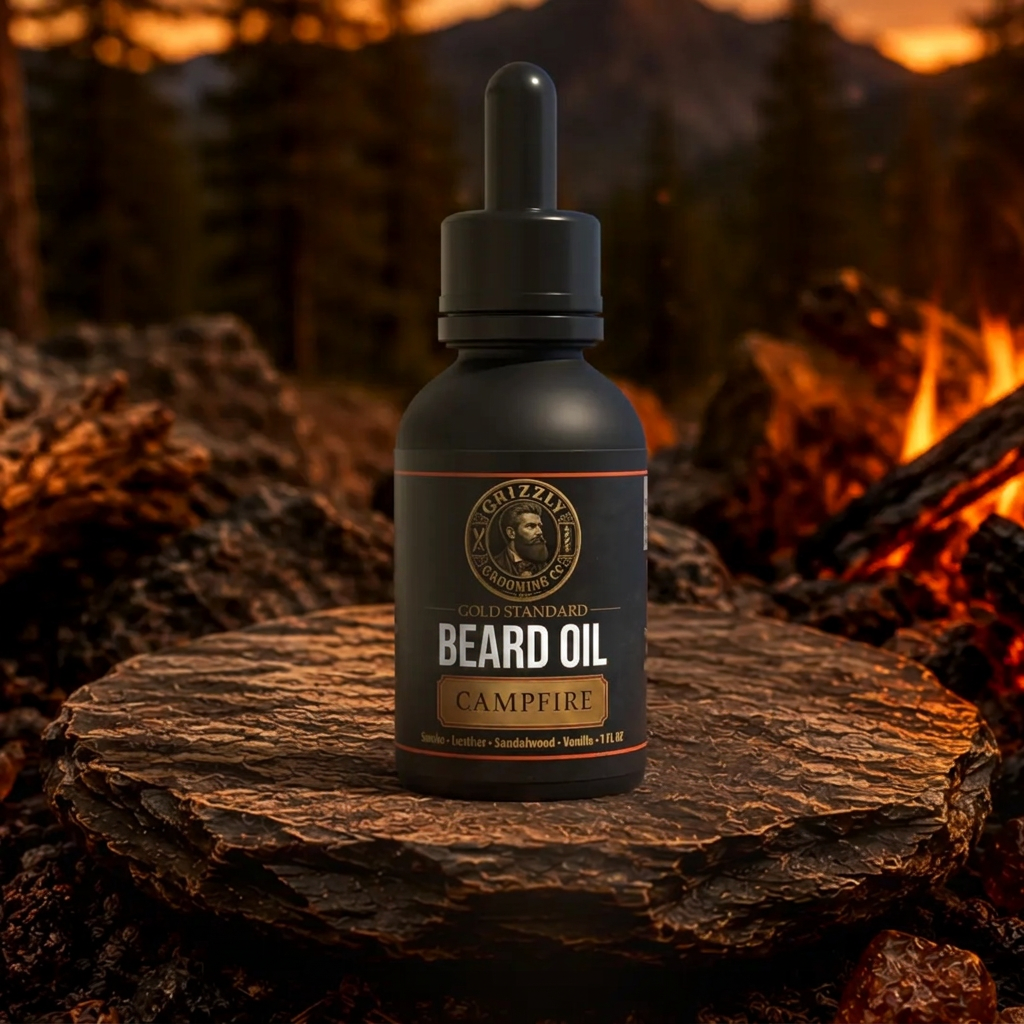
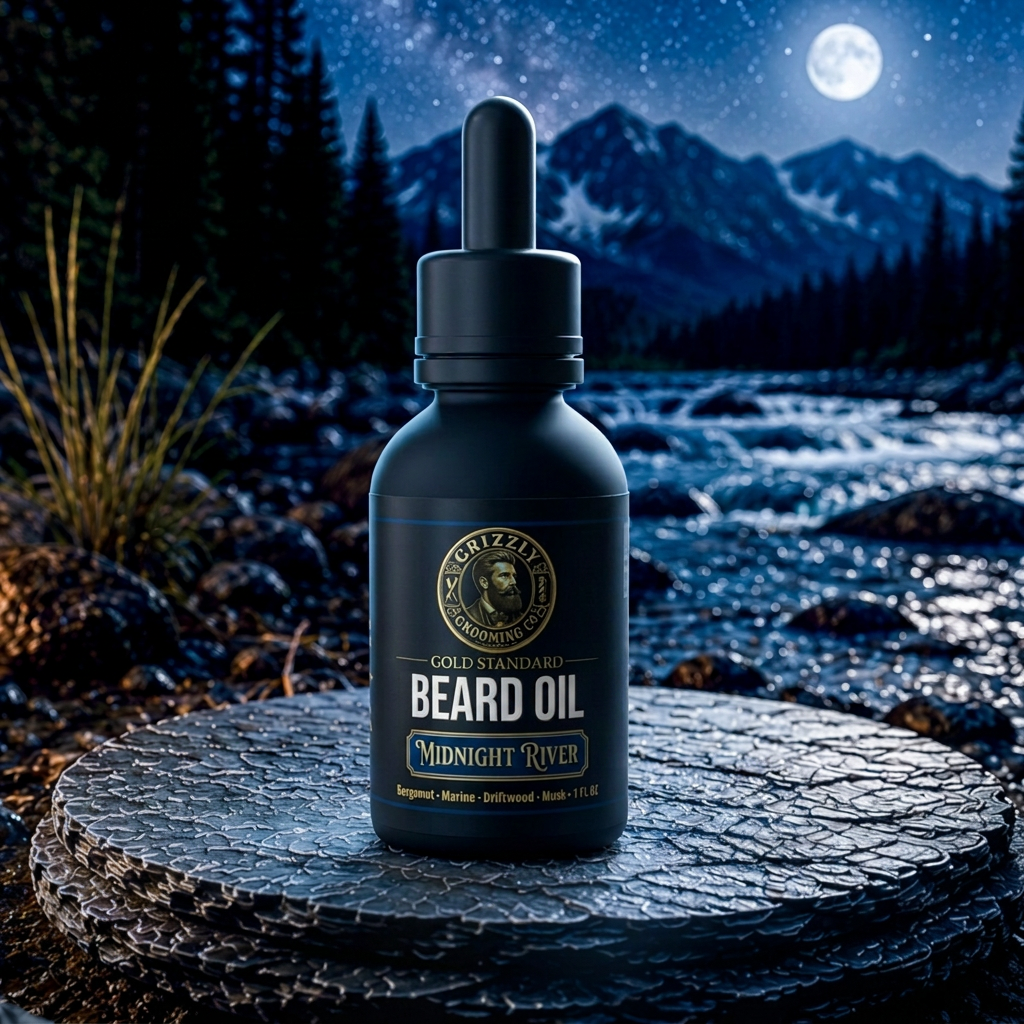
- ›Prioritize hydration with a high-quality beard oil to prevent follicle dormancy and skin irritation.
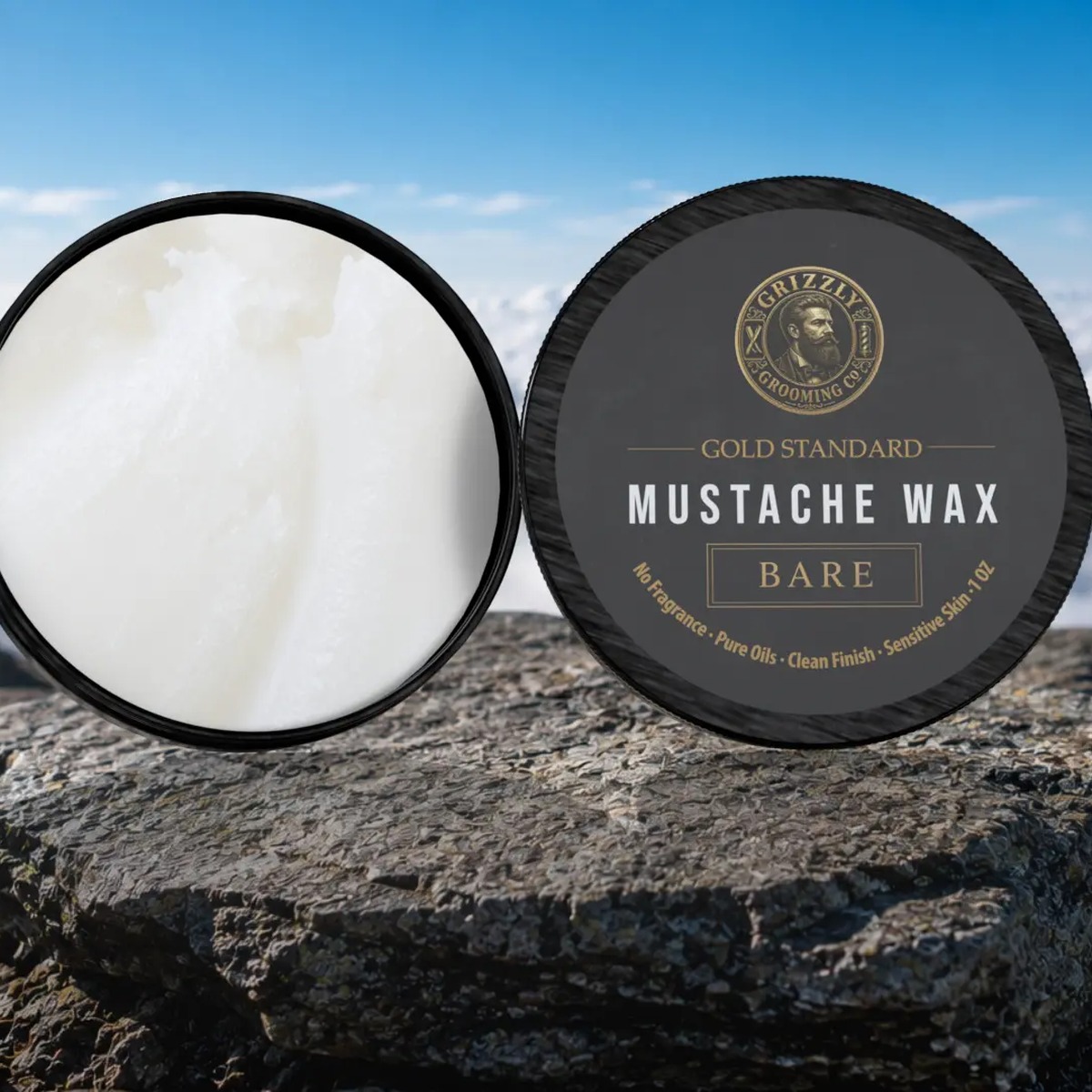
- ›Use mustache wax to train horizontal growth across areas with lower hair density.
- ›Maintain the philtrum and philtral columns to increase the appearance of thickness.
- ›Keep the skin beneath the hair healthy using specialized beard wash to promote blood flow.
The Timeline of Connection
The most common mistake men make is trimming too early. Growth rates for facial hair vary significantly across different regions of the face, and the corners of the mouth often have a slower growth cycle than the philtrum or chin.
Allowing for a full sixty days of uninterrupted growth is the minimum requirement for a connected look. This timeframe allows the slower-growing hairs to catch up and provide the necessary coverage to bridge the gap toward the beard.
Topical Support and Follicle Health
Healthy hair growth starts at the root. A mustache requires a clean, nutrient-rich environment to thrive, which is why a dedicated beard wash is superior to standard facial cleansers that strip natural oils.
Daily application of a professional-grade beard oil is non-negotiable. Ingredients like jojoba and argan oil mimic the skin's natural sebum, ensuring the skin remains supple and follicles are not blocked by dry skin cells, which can cause patchy growth.
Training the Hair with Strategic Styling
Even if your hair density is low at the corners, you can create the illusion of a full connection through training. Using a firm mustache wax allows you to sweep longer hairs from the center across the sparser areas.
Regularly combing the mustache from the center outward helps the hair lie flat and grow in a horizontal direction. This manual manipulation encourages the hair to cover the gaps where the mustache and beard should meet.
The Role of Blood Flow and Nutrition
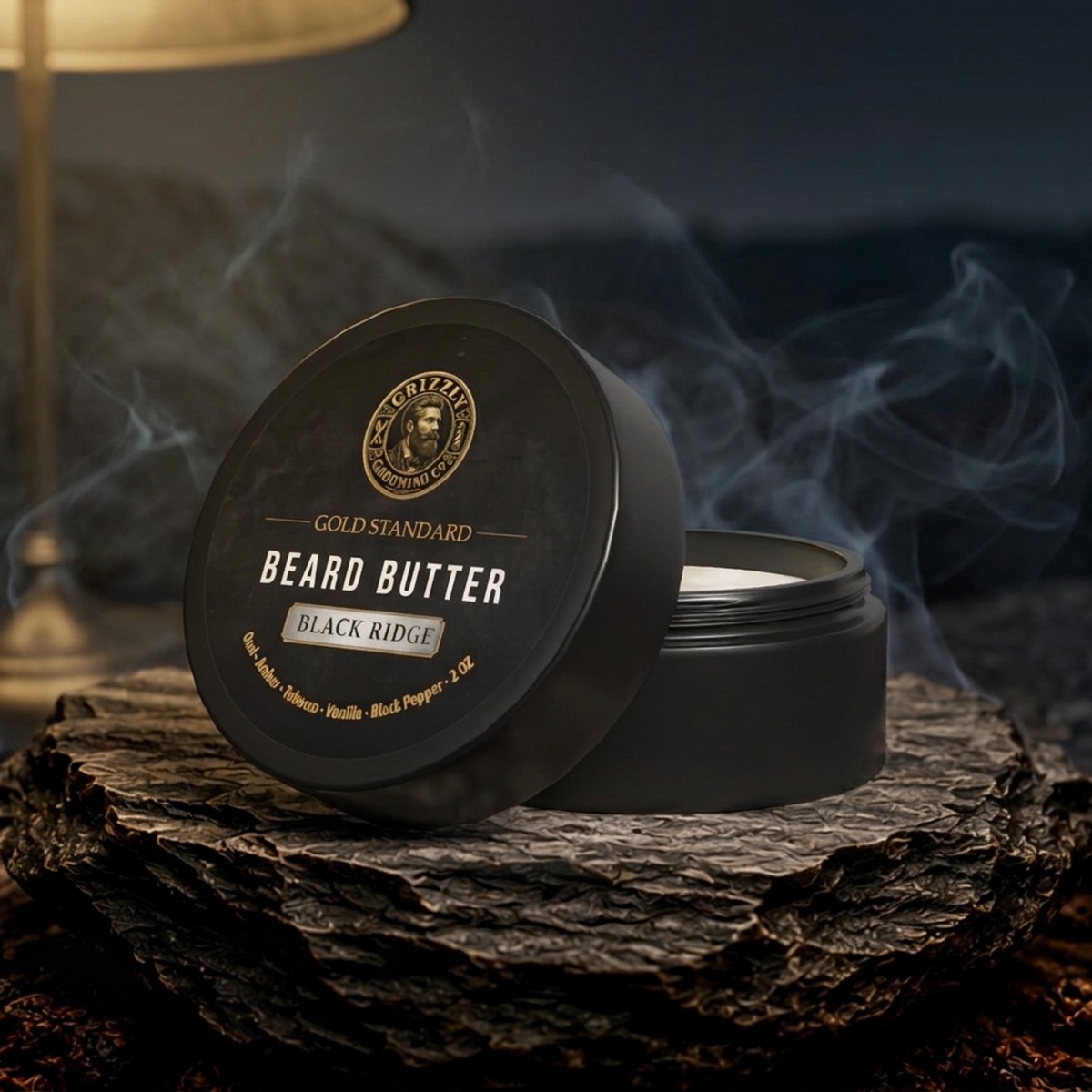
Facial hair growth is heavily dependent on blood circulation. Massaging the area around the mouth daily while applying beard oil or beard butter can stimulate the capillaries that feed the hair follicles.
Internal health also reflects in hair quality. Ensure your diet includes adequate proteins and fats, which provide the building blocks for keratin. This creates a stronger, thicker hair shaft that is less prone to breakage as it reaches connection length.
Trimming for Visual Thickness
Thinning at the edges often makes a mustache look disconnected. When you do eventually trim, focus on maintaining the weight of the hair at the corners rather than cutting high above the lip line.
Avoid the temptation to shave the 'connectors' entirely if they look thin. Instead, use a pair of high-quality grooming scissors to tip the ends, which encourages the hair to look more uniform and dense as it continues to fill in.
Frequently Asked Questions
How long does it take for a mustache to connect to a beard?
On average, it takes between two to four months for the hair at the corners of the mouth to reach a length where it can connect to the beard. Patience is vital, as terminal length in this specific area often grows slower than the rest of the facial hair.
Can I use beard oil on my mustache?
Yes, applying a light beard oil daily is essential for softening the hair and moisturizing the skin underneath. This prevents the itching and flaking that often leads men to shave before the connection has fully formed.
Does shaving make the connector hairs grow back thicker?
This is a common myth; shaving does not change the density of the follicles or the speed of growth. The hair may appear thicker initially because you have cut it at its widest point, but the only way to achieve a true connection is through consistent growth and proper care.
Will mustache wax help with patches?
Mustache wax is a primary tool for managing patches because it provides the hold needed to redirect longer hairs over the thinner spots. By styling the hair horizontally, you can achieve a connected silhouette even if the underlying density is uneven.
Build your ritual in 60 seconds.
Answer four questions and get a custom regimen — plus a 15% bundle discount.
Start The Ritual Builder