
Bridging the Gap: How to Grow a Mustache That Connects to Your Beard
The gap between the mustache and the beard is often the most frustrating hurdle for men pursuing a full-frame facial hair style. While genetics dictate the baseline density, the difference between a disconnected look and a seamless flow usually comes down to specific grooming mechanics and disciplined maintenance.
- ›Resist the urge to trim the 'connectors' at the corners of the mouth for at least twelve weeks.
- ›Utilize high-hold mustache wax to train long hairs to lay laterally toward the beard.
- ›Exfoliate the connector region twice weekly to encourage dormant follicle activity.
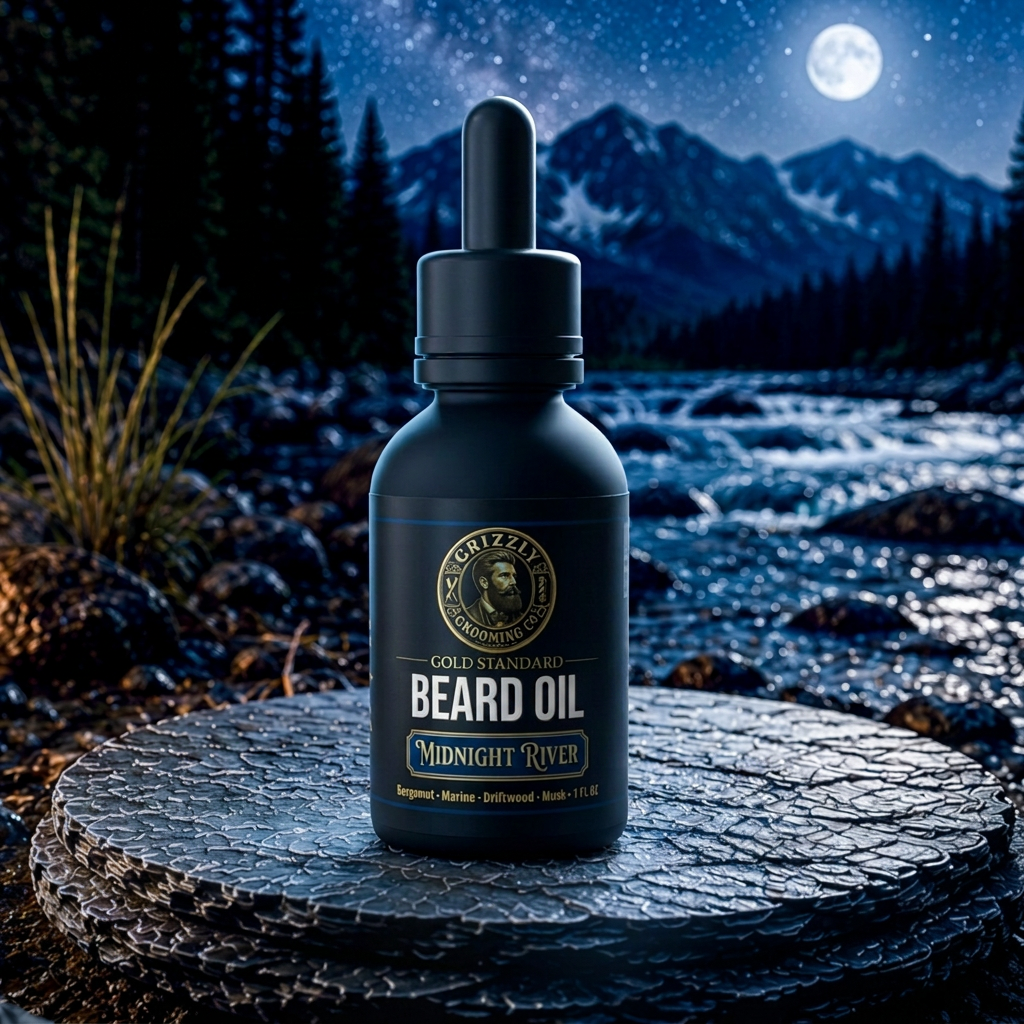
- ›Prioritize skin health with beard oil to prevent the irritation that leads to premature trimming.
- ›Align your mustache style with your natural growth patterns rather than fighting against them.
The Twelve-Week Rule for Connector Growth
The most common mistake men make when trying to connect their mustache is trimming too early. The hair at the corners of the mouth often grows at a slower rate and at a different angle than the hair on the chin or the philtrum. If you clear the line of your lip every week, you are likely cutting away the very hairs meant to bridge the gap.
Put the trimmers away for a minimum of ninety days. During this period, the hair will likely look unruly, but this length is necessary to see the natural trajectory of the follicles. You need enough length for the mustache hairs to physically reach the beard line, which often requires more vertical growth than most men anticipate.
Directional Training with Mustache Wax
Once you have achieved sufficient length, the challenge becomes management. Without intervention, mustache hair tends to grow straight down over the lip. To create a connection, you must train these hairs to move outward toward the cheeks. This is where a stiff, clay-based or beeswax-infused mustache wax becomes essential.
Apply a small amount of wax to the connectors and use a fine-toothed comb to sweep the hair diagonally toward the beard. By consistently styling the hair in this direction, you encourage the follicles to lay flatter against the skin, bridging the visual gap even if the hair density is lower in that specific zone.
Optimizing the Follicle Environment
If the connection point is sparse, the issue may be localized skin health. The corners of the mouth are high-movement areas that often suffer from dryness and debris buildup. Use a dedicated beard wash rather than standard bar soap, which can strip the natural oils needed for hair elasticity and growth.
Following the wash, apply a nutrient-dense beard oil to the skin underneath the connectors. Look for oils containing jojoba or argan, which mimic the skin's natural sebum. This keeps the skin supple and prevents the 'beard itch' that often causes men to shave off their progress before the connection is fully realized.
Strategic Trimming for Visual Density
A connected mustache often benefits from a 'weight line.' Instead of trimming the bottom of the mustache to follow the lip line, allow the upper hairs to grow longer so they hang over the lower hairs. This creates a denser appearance that masks any patches near the corners of the mouth.
When it is time to tidy up, only trim the hairs that are straying far outside the desired silhouette. Use professional shears rather than electric trimmers for this task, as shears allow for the precision needed to remove single rogue hairs without compromising the structural integrity of the connection.
Integrating with the Beard Architecture
A mustache shouldn't just touch the beard; it should blend into it. As the hairs from the mustache meet the cheek line, use a beard balm or beard butter to unify the textures. Beard butter is particularly effective here, as its higher fat content softens coarse mustache hairs, allowing them to meld seamlessly with the softer hair of the beard.
If you find the mustache is significantly thicker than the beard at the connection point, slightly taper the mustache ends with thinning shears. This creates a natural gradient that looks intentional and professional, rather than like two separate pieces of facial hair competing for space.
Frequently Asked Questions
Why won't the corners of my mustache connect to my beard?
This is usually due to a combination of genetics and premature trimming. Most men have a natural 'dead zone' at the corners of the mouth where follicles are more sparse; letting the surrounding hair grow longer and styling it laterally is the standard fix.
Can I use beard oil on my mustache to help it grow?
Yes, beard oil is vital for the mustache as well. It softens the hair and moisturizes the skin, reducing the likelihood of split ends and breakage which can make a connection look thin or scraggly.
How long does it typically take to see a full connection?
For most men, it takes between two to four months of uninterrupted growth. This allows enough time for the slower-growing hairs to reach the necessary length to overlap with the beard's cheek line.
Build your ritual in 60 seconds.
Answer four questions and get a custom regimen — plus a 15% bundle discount.
Start The Ritual Builder