Beard Butter vs Beard Balm: Understanding Control and Conditioning
The distinction between beard butter and beard balm is often blurred by marketing, but in the barber's chair, the difference is technical. One is formulated to nourish the fiber from within, while the other is designed to provide structural integrity to the outside of the follicle.
- ›Beard balm contains beeswax for structural hold and shape.
- ›Beard butter is wax-free, focusing on deep conditioning and softness.
- ›Balm is a daytime tool for styling and protecting against the elements.
- ›Butter is best utilized as a night treatment or for a natural, soft finish.
- ›Both products perform best when applied to a clean, slightly damp beard.
The Technical Difference in Formulation
The primary factor separating these two products is the presence of wax. Beard balm is a utility product that relies on beeswax or candelilla wax to provide a medium hold. This allows you to tuck in stray hairs and maintain a uniform silhouette throughout the day.
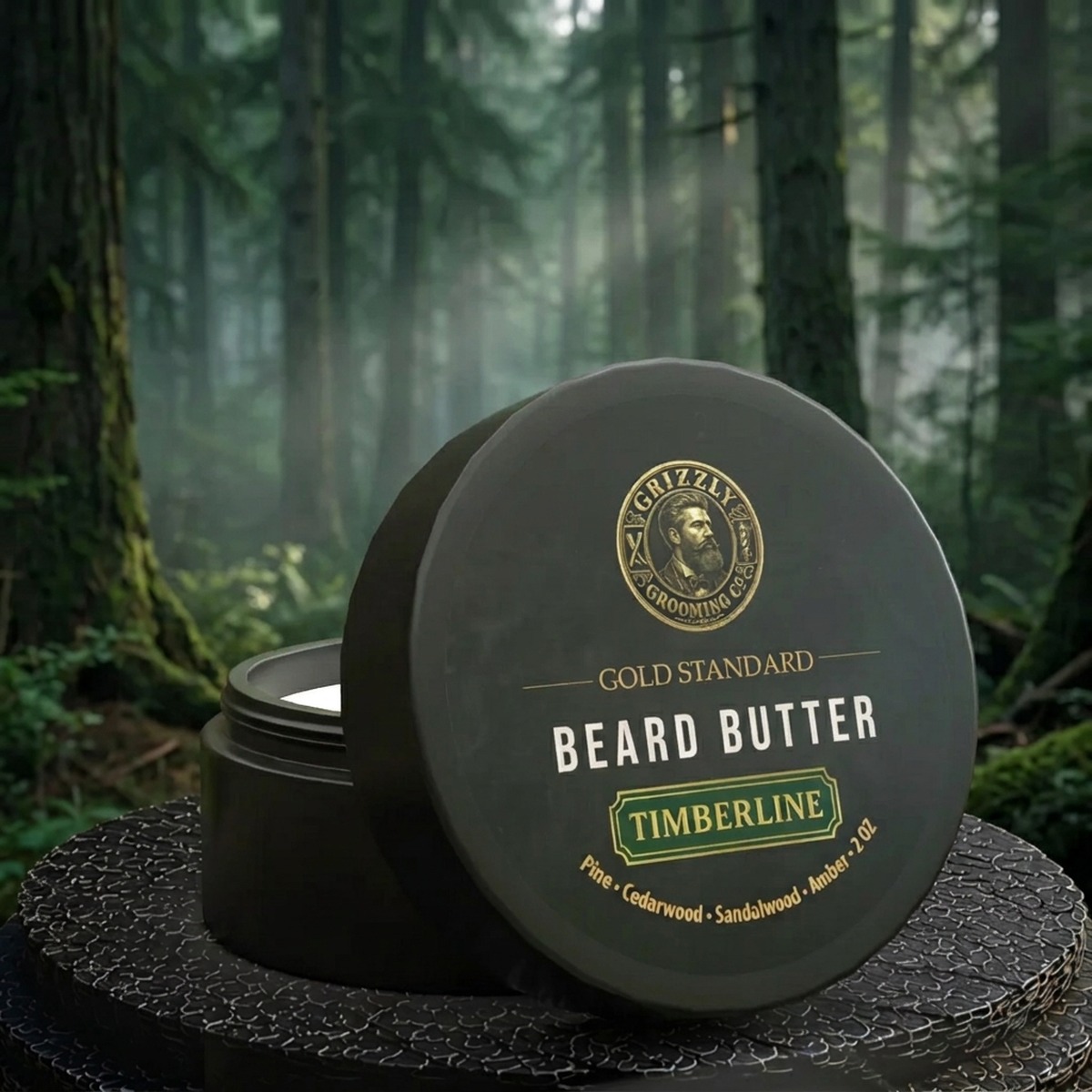
Conversely, beard butter is a heavy-duty conditioner composed primarily of shea, cocoa, or mango butters. It lacks the high wax content of balm, which gives it a creamy consistency that absorbs more readily into the hair shaft. While it won't hold a style against a stiff breeze, it provides unparalleled softness.
When to Reach for Beard Balm
Reach for a high-quality balm when your beard has reached a length where gravity and wind become factors. If you have a patchy or wild beard that requires shaping to look professional, the wax in the balm acts as a light styling agent that keeps the hair in place without the stiffness of a gel.
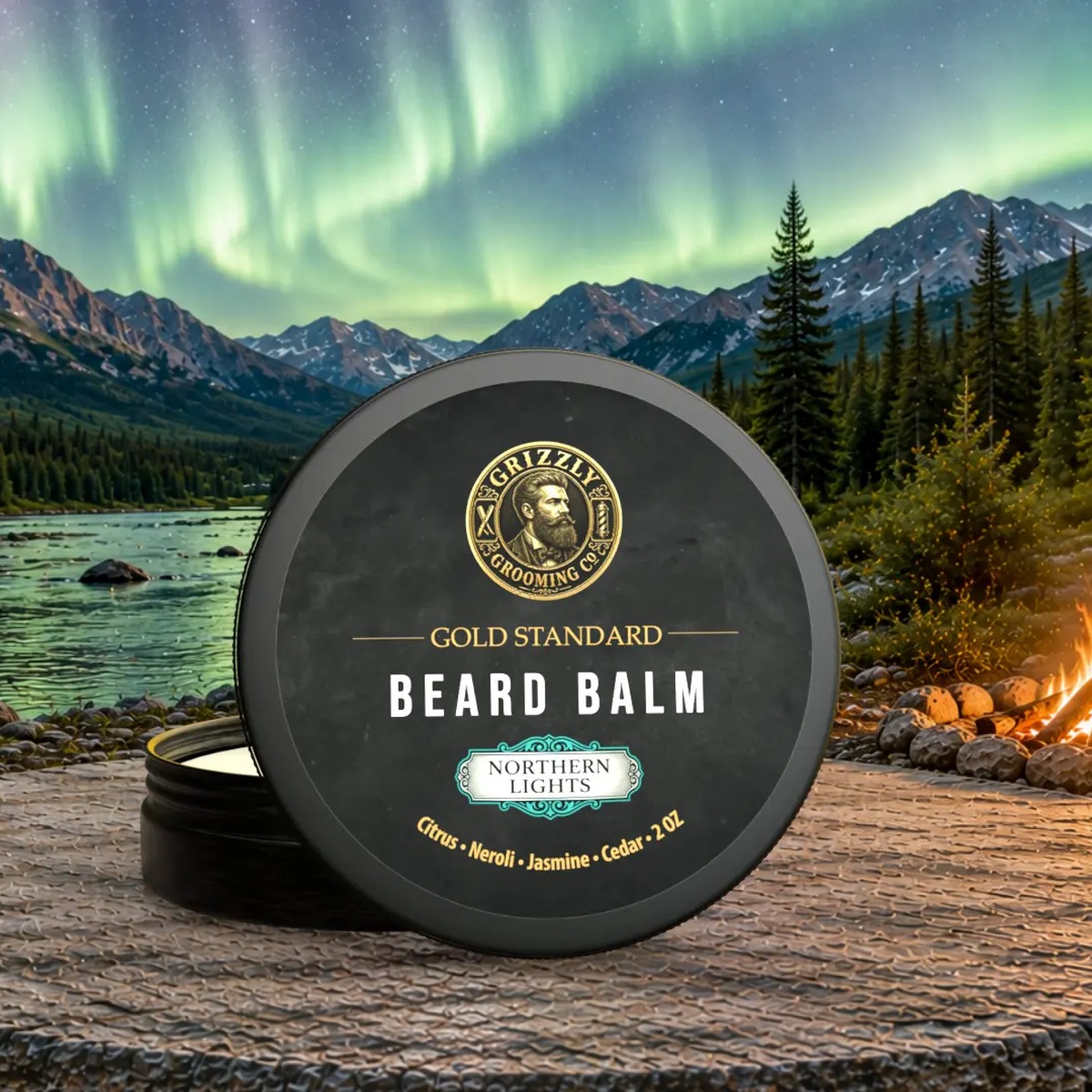
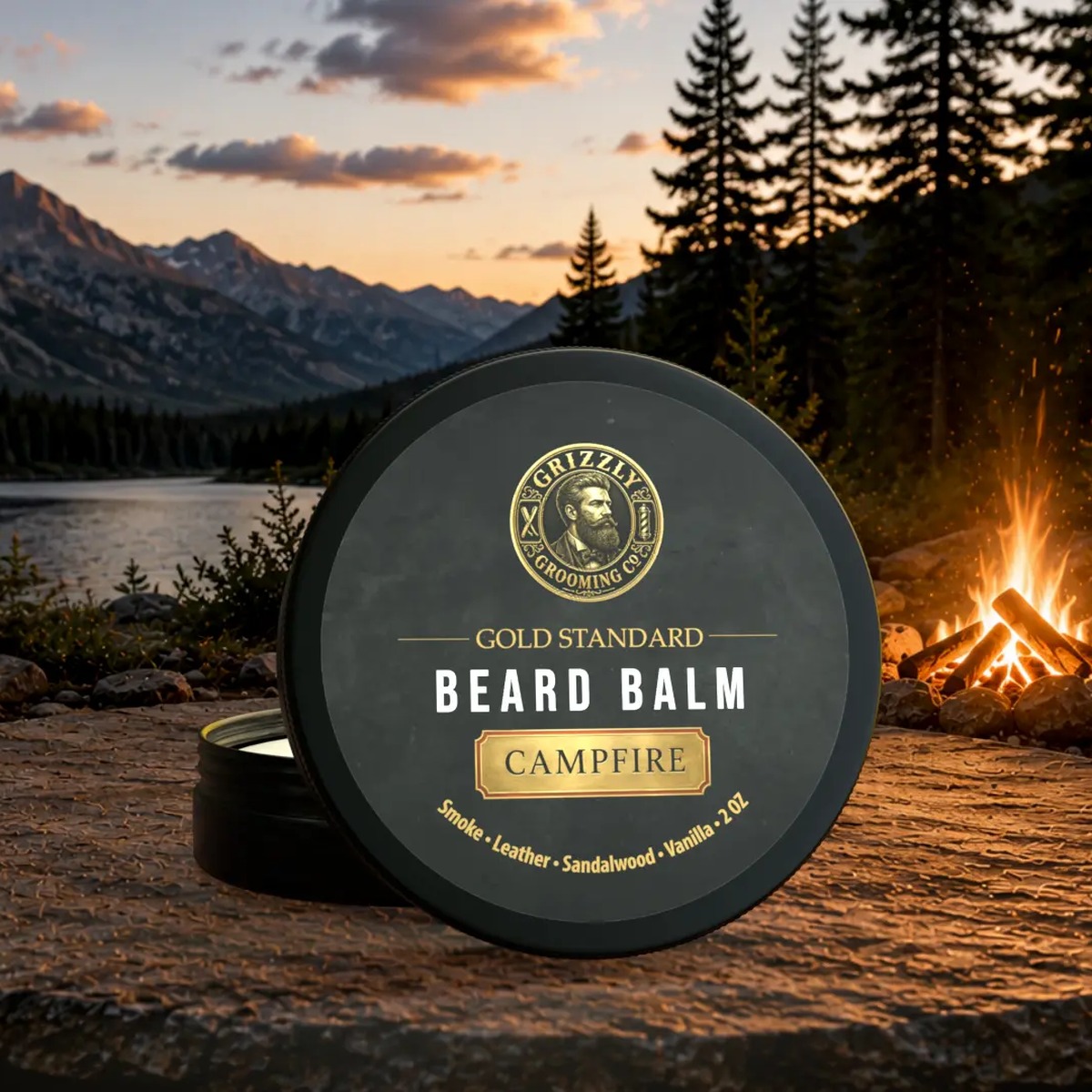
Grizzly Gold Standard beard balm also acts as a sealant. By coating the hair in a thin layer of wax and carrier oils, it locks in moisture and protects the follicle from environmental stressors like humidity or dry office air. It is the tactical choice for your morning grooming ritual.
The Role of Beard Butter in Recovery
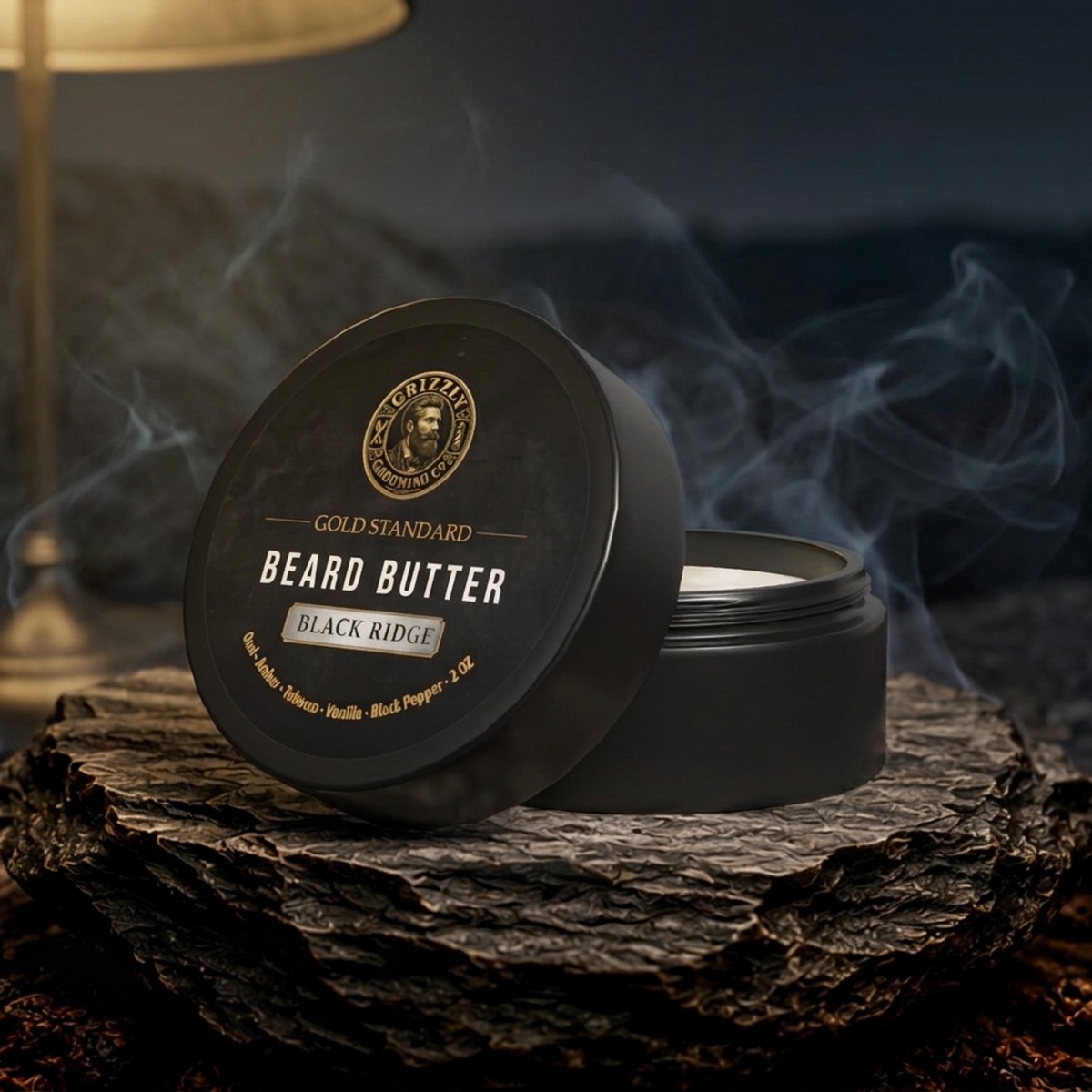
Beard butter is the superior choice for hydration and internal hair health. Because it lacks a heavy wax barrier, the nutrient-dense butters can penetrate the cuticle more effectively. This makes it an essential tool for men dealing with beard itch or brittle, dry hair that feels like copper wire.
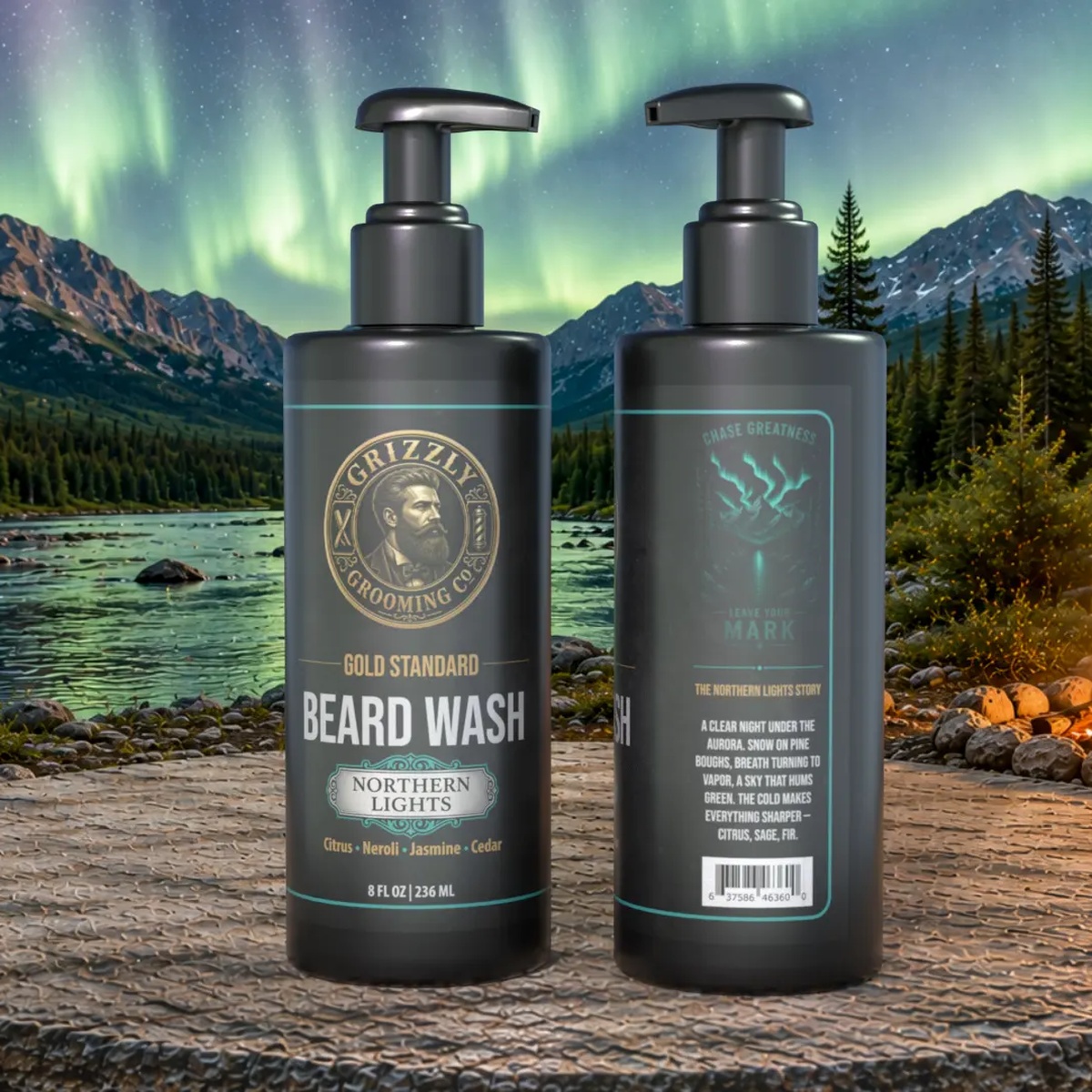
We recommend applying beard butter in the evening after using a dedicated beard wash in the shower. This allows the product to work overnight, softening the beard so it is more manageable the following morning. It provides a matte, natural finish that leaves the hair feeling exceptionally light and pliable.
Layering Products for Maximum Effect
Professional grooming is rarely about using a single product. For the healthiest beard, use beard oil first to treat the skin underneath and prevent 'beardruff.' Once the oil has settled, you can apply either balm or butter depending on your goals for the day.
If you are heading into a long day at the office or an outdoor event, follow your oil with a small amount of beard balm. If you are staying home or heading to bed, skip the balm and apply a generous amount of beard butter to keep the hair hydrated and avoid overnight breakage.
Frequently Asked Questions
Can I use beard butter and beard balm at the same time?
It is generally unnecessary to use both simultaneously as they serve overlapping purposes. Use balm during the day for its hold and protection, and switch to butter at night for deep conditioning and recovery.
Which is better for a short beard or stubble?
For shorter growth, beard butter is often more comfortable as it softens the hair and reduces the prickle against the skin. Balm requires more length for the wax to have something to grip and shape effectively.
How much product should I actually be using?
Start with a finger-nail sized amount. Emulsify it thoroughly between your palms until it is a liquid consistency, then work it from the skin out to the tips of the hair to ensure even distribution.
Build your ritual in 60 seconds.
Answer four questions and get a custom regimen — plus a 15% bundle discount.
Start The Ritual Builder