
A Professional Guide to Trimming Your Beard Neckline Perfectly
A poorly executed neckline is the most common error that undermines an otherwise excellent beard. Defining the boundary between your facial hair and your neck requires a technical approach rather than guesswork to ensure your jawline remains structurally sound.
- ›Identify the line two finger-widths above your Adam's apple.
- ›Follow the natural curve from the back of the ear to the center.
- ›Always trim with a dry beard to see the true hair length.
- ›Do not carve the line too high into the jawline.
- ›Use a high-quality beard oil after trimming to soothe the skin.
Locating the Anatomical Sweet Spot
The primary mistake men make is placing the neckline too high, which creates the illusion of a double chin and weak jaw. The standard barbering rule is to find the highest point of your Adam’s apple and place two fingers horizontally above it. This point serves as the center of your U-shaped curve.
From this central point, you will trace a line that follows the natural crease of your neck toward the back of your ears. This line should remain parallel to your jawline, creating a frame that emphasizes the bone structure rather than fighting against it.
The Technical Process of the Cut
Before picking up a trimmer, ensure your beard is clean and dry. Use a dedicated beard wash to remove debris without stripping the natural oils that keep the hair manageable. Wet hair stretches and appears longer, which leads to over-trimming once the hair dries and retracts.
Start from the center and work your way toward one ear, then return to the center and work toward the other side. This method ensures better symmetry than starting at one ear and attempting to travel the full distance. Small, controlled strokes with a T-blade trimmer will provide the most precision.
Defining the Ear and Jaw Connection
Where the neckline meets the vertical line coming down from the back of your sideburns is a critical junction. This corner should be slightly rounded rather than a sharp 90-degree angle to maintain a natural appearance. A rounded corner mimics the organic growth patterns of facial hair.
Be cautious not to push this vertical line too far forward towards the chin. It should land roughly where the back of your jawbone turns upward toward the ear. Maintaining this balance ensures that your beard looks thick and intentional from a profile view.
Post-Trim Skin Restoration
Trimming close to the skin on the neck often causes irritation or ingrown hairs if the skin is not treated immediately. After the line is established, rinse the area with cool water to close the pores and remove loose hair clippings.
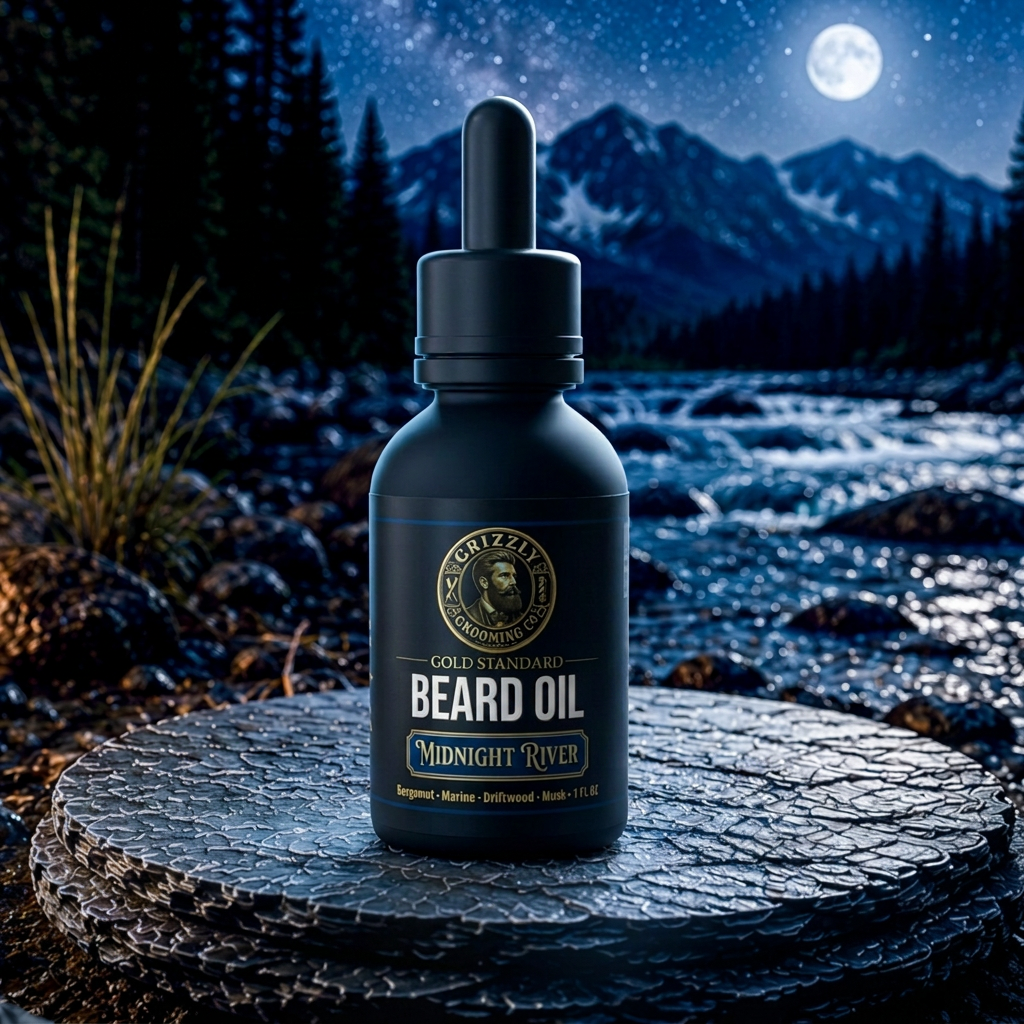
Apply a high-quality beard oil or a hydrating beard balm to the area. Grizzly Gold Standard beard oil contains essential nutrients that calm sensitive neck skin and provide a protective barrier. This step is non-negotiable for preventing the redness that can ruin the look of a fresh trim.
Frequently Asked Questions
How often should I trim my neckline?
For most men, the neckline should be touched up every 2 to 3 days. Since neck hair grows at various angles, maintaining it frequently prevents the 'scruffy' look and keeps the defined shape of your beard intact.
What if I accidentally trim the line too high?
The best solution is to let the rest of the beard grow for a week and then lower the line back to its proper anatomical position. Avoid trying to 'fix' it by trimming the rest of the beard shorter, as this usually results in a shape that does not suit your face.
Should I use a razor or trimmers for the neckline?
Use trimmers to establish the initial line as they offer more visibility and control. Once the line is set, you can use a straight razor or safety razor for a skin-close finish on the lower neck, provided you use a clear shave gel to see your work.
Build your ritual in 60 seconds.
Answer four questions and get a custom regimen — plus a 15% bundle discount.
Start The Ritual Builder