
A Professional Guide to Trimming Your Beard Neckline Accurately
A poorly defined neckline is the difference between a deliberate beard and a lack of grooming discipline. Understanding where the beard ends and the neck begins is a foundational skill for any man serious about his presentation.
- ›Identify the anatomical anchor point two fingers above the Adam's apple.
- ›Follow the natural curve from the ear lobe toward the center point.
- ›Shave with the grain first to minimize irritation and skin trauma.
- ›Apply beard oil after trimming to soothe the skin and maintain follicle health.
- ›Maintain the line every two to three days for a consistent professional appearance.
Finding Your Natural Line
The most common mistake in home grooming is setting the neckline too high, which creates an unnatural look that detracts from the jawline. To find the correct baseline, place two fingers horizontally above your Adam's apple. This point serves as the lowest part of your beard's U-shape.
From this center point, visualize a curved line extending upward toward the back of your ear lobes. This curve should mirror the natural shape of your jaw rather than being a sharp, straight angle. By following this anatomical guide, you ensure the beard provides proper structural support to your face.
The Tools of the Trade
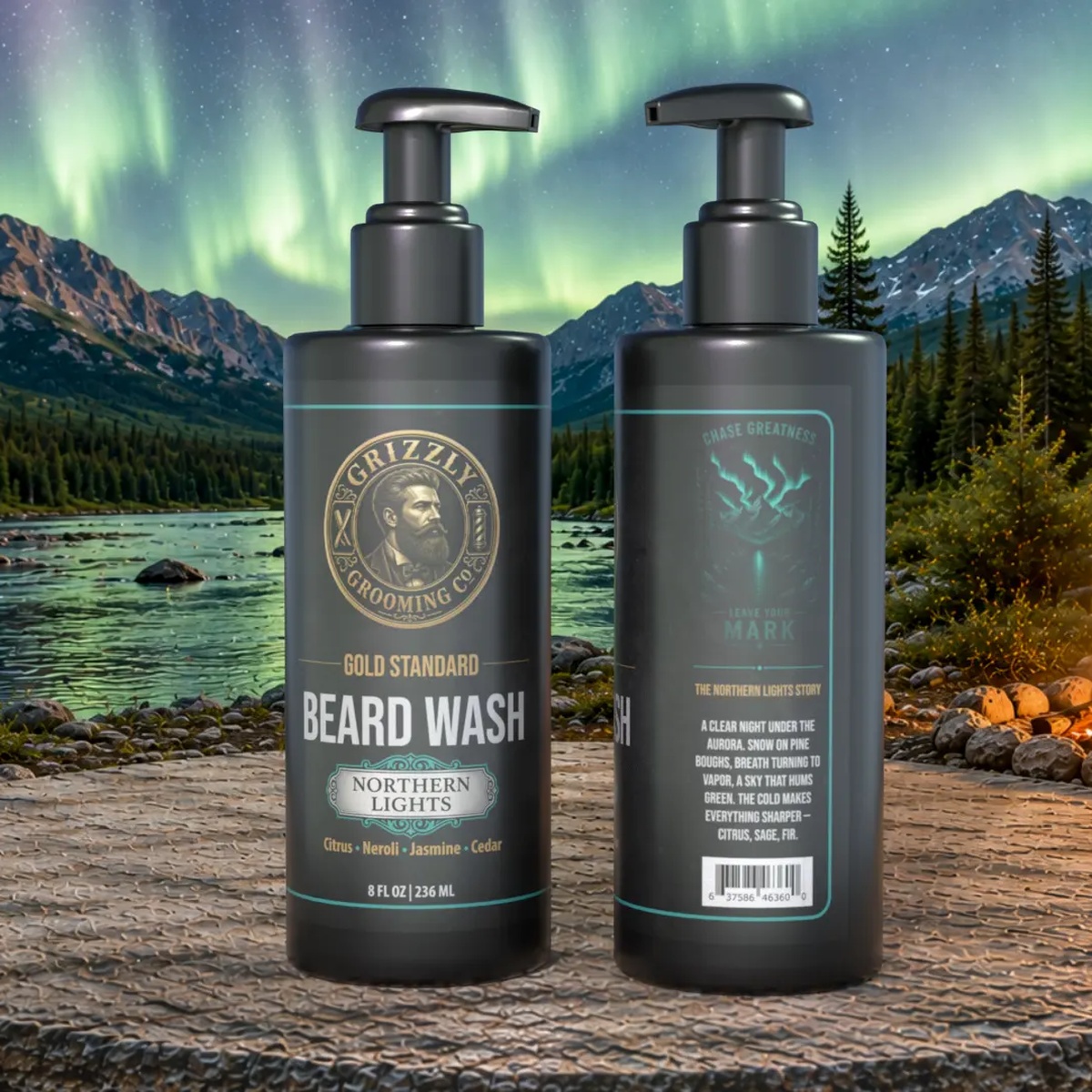
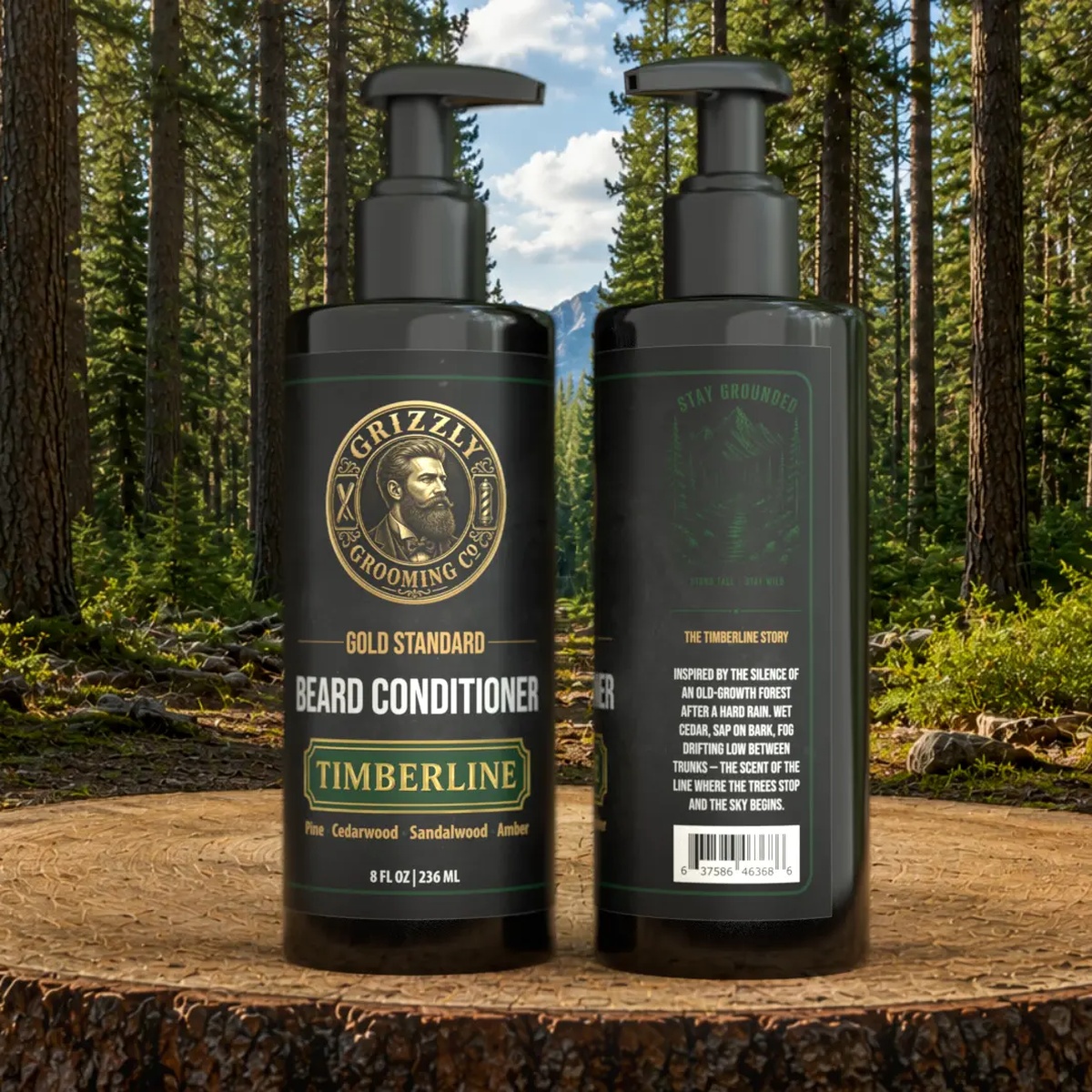
Precision requires the right equipment. A dedicated trimmer with a T-blade allows for better visibility and sharper lines than a standard clipper. Before you begin the trim, ensure your beard is clean and dry. Using a Grizzly Gold Standard beard wash beforehand removes excess oils and skin flakes that can clog your blades.
Avoid using a dull manual razor for the initial shaping. Once the bulk is removed with trimmers, you can use a safety razor to clean the skin below the line. This two-step process reduces the risk of tugging and ensures the skin remains calm throughout the ritual.
Executing the Cut
Start at the center point above the Adam's apple and work your way outward toward one side. Use short, controlled strokes rather than long sweeping motions. This allows you to check for symmetry frequently and adjust the line incrementally if needed.
Tilt your head back to create a flat surface for the trimmer, but remember to check the line with your head in a neutral position. The line will shift when you look straight ahead, and the neutral position is how the world sees you. Constant perspective shifts are necessary to avoid a crooked finish.
Post-Trim Skin Recovery
Shaving the neck area often leads to sensitivity and ingrown hairs because the skin is thinner than the face. After the trim is complete, rinse the area with cold water to close the pores. This is a critical step in preventing post-shave irritation.
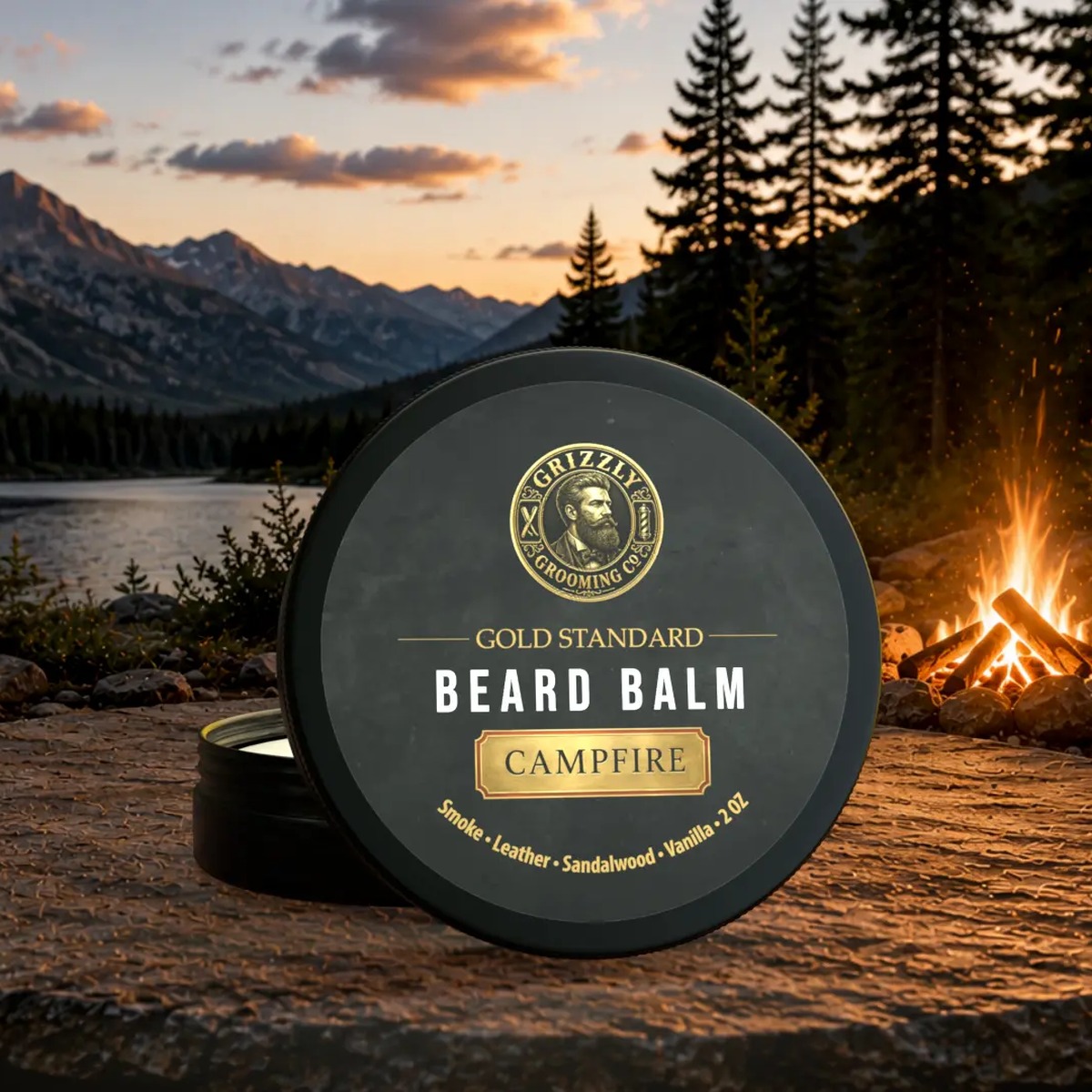
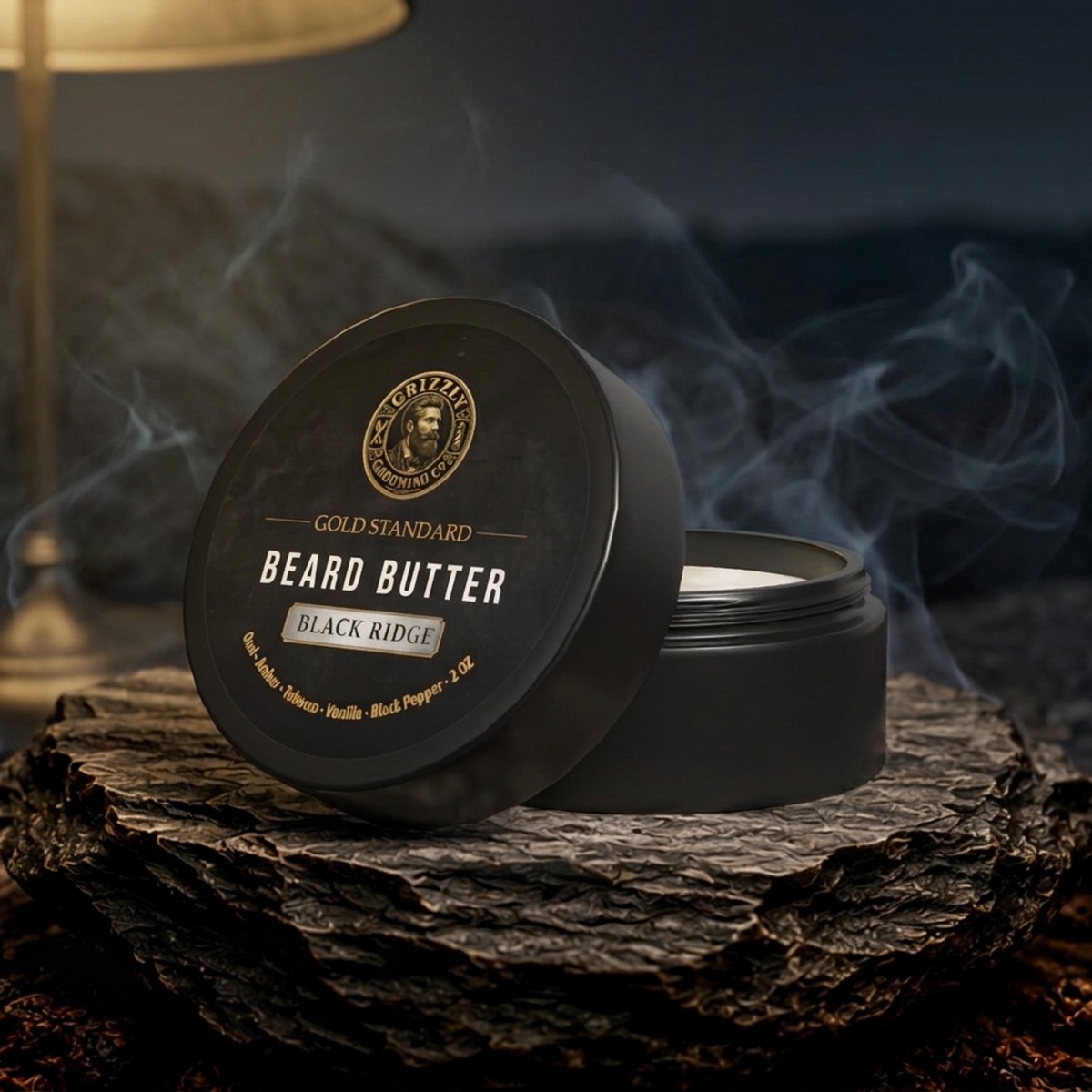
Apply a small amount of Grizzly Gold Standard beard oil to the newly exposed skin and the hair just above the line. The botanical oils provide a protective barrier and help the skin recover from the abrasive nature of the blades. Following up with a light application of beard butter can keep the hair soft and prevent it from prickling the neck skin.
Frequently Asked Questions
How high should my beard neckline be?
The general rule is approximately one to one and a half inches above the Adam's apple. If you go higher, you risk making the beard look too small for your face; if you go lower, it may look unkempt.
Should I trim my neckline while the hair is wet or dry?
Always trim your beard while it is dry. Hair tends to stretch when wet and retract when dry, which can lead to over-trimming and an uneven line once the hair fully dries.
How do I fix a neckline that I've cut too high?
The best solution is to let the entire beard grow out for a week or two without trimming the neckline. Once the hair has regained some length, you can re-establish the correct line lower down and blend the lengths as they even out.
Build your ritual in 60 seconds.
Answer four questions and get a custom regimen — plus a 15% bundle discount.
Start The Ritual Builder