
A Professional Guide to Transitioning From Clean-Shaven to Bearded
The transition from a bare face to a full beard is a technical process that requires more than just putting down the razor. Without a deliberate strategy for skin health and perimeter maintenance, the awkward middle phase often leads to a premature shave.
- ›Prioritize skin hydration to prevent the common stage-one itch.
- ›Define your neckline early to distinguish a deliberate beard from neglect.
- ›Exfoliate the skin beneath the stubble to prevent ingrown hairs.
- ›Introduce beard oil immediately to soften emerging terminal hairs.
- ›Resist the urge to trim the bulk for at least four full weeks.
Preparing the Canvas and Managing Early Itch
In the first ten days, the primary challenge is not the hair itself, but the skin's reaction to it. As hair grows, the sharp tips left by years of shaving can curl back and irritate the follicle, leading to significant discomfort.
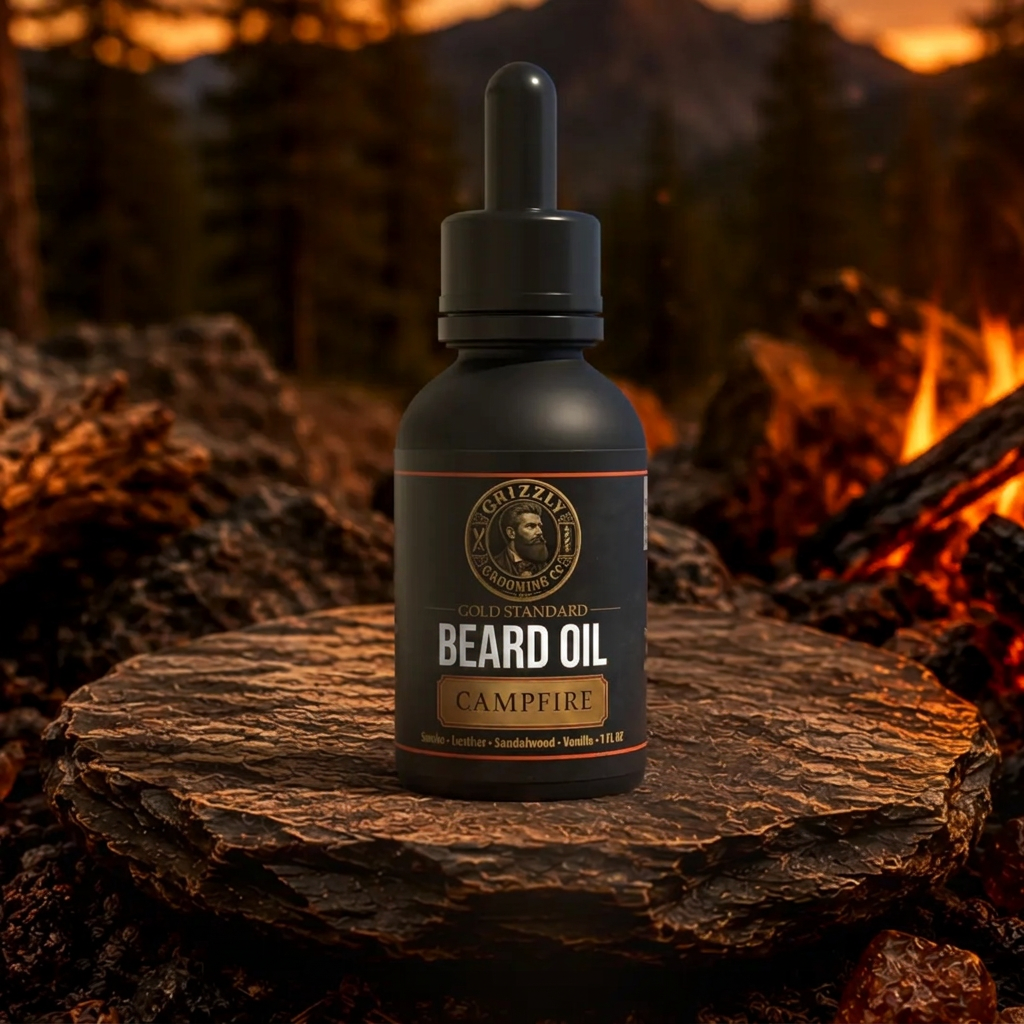
To manage this, daily hydration is non-negotiable. Applying a high-quality beard oil directly to the skin when hair is at the stubble stage provides a lipid barrier that softens the hair and calms the epidermis. This is the foundation of the Grizzly Gold Standard approach.
Defining the Perimeter for a Professional Look
The difference between a man growing a beard and a man who has forgotten to shave is the neckline. Around the two-week mark, you must establish a clear boundary to maintain a sharp, intentional appearance.
Locate your line by placing two fingers above your Adam's apple; this is the lowest point your beard should reach. Shave everything below this point in a clean U-shape from ear to ear to instantly elevate the look of your emerging growth.
Cleansing Rituals for New Growth
Standard bar soaps and harsh facial cleansers are formulated to strip oils, which is disastrous for a new beard. Terminal hairs require the natural sebum produced by your face to remain pliable.
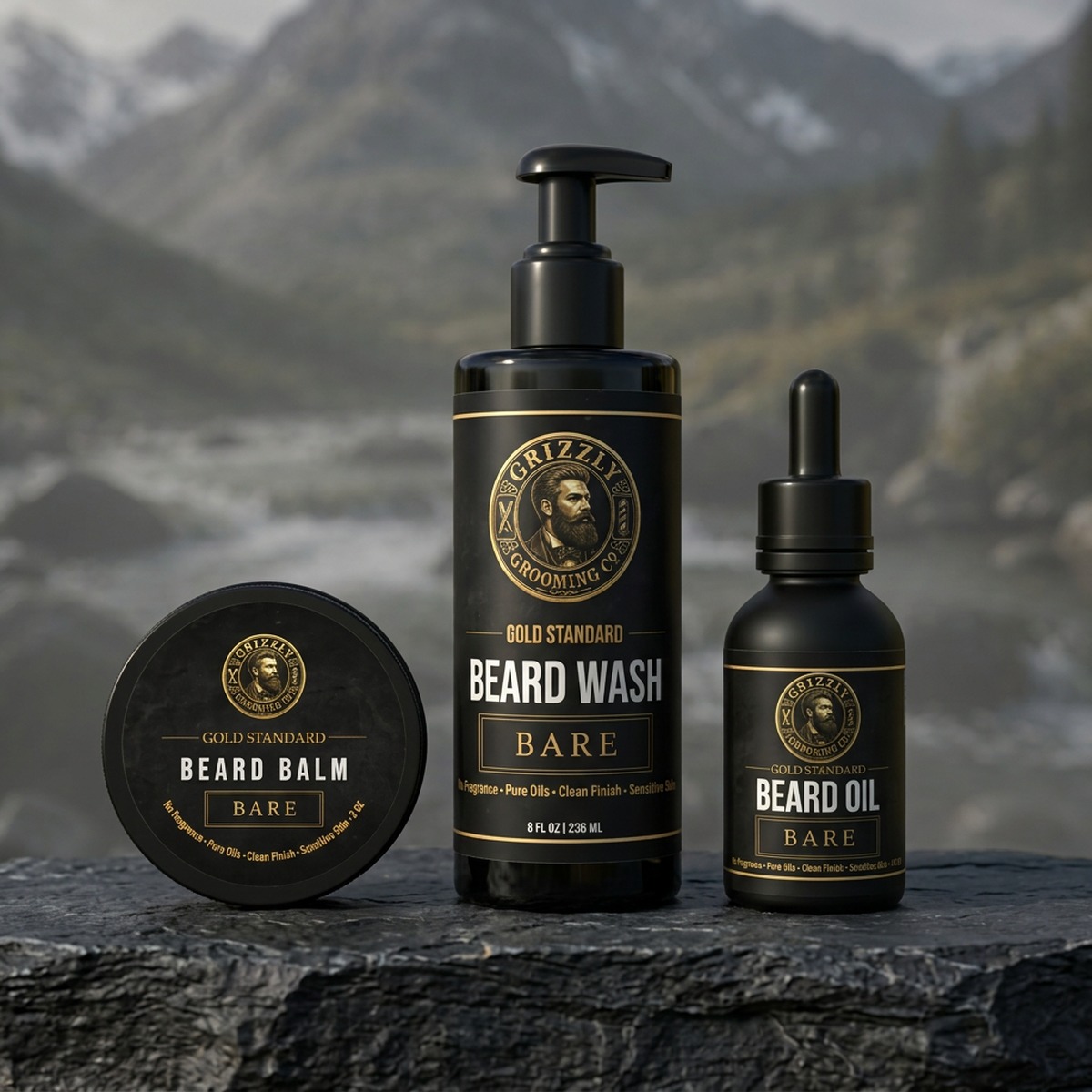
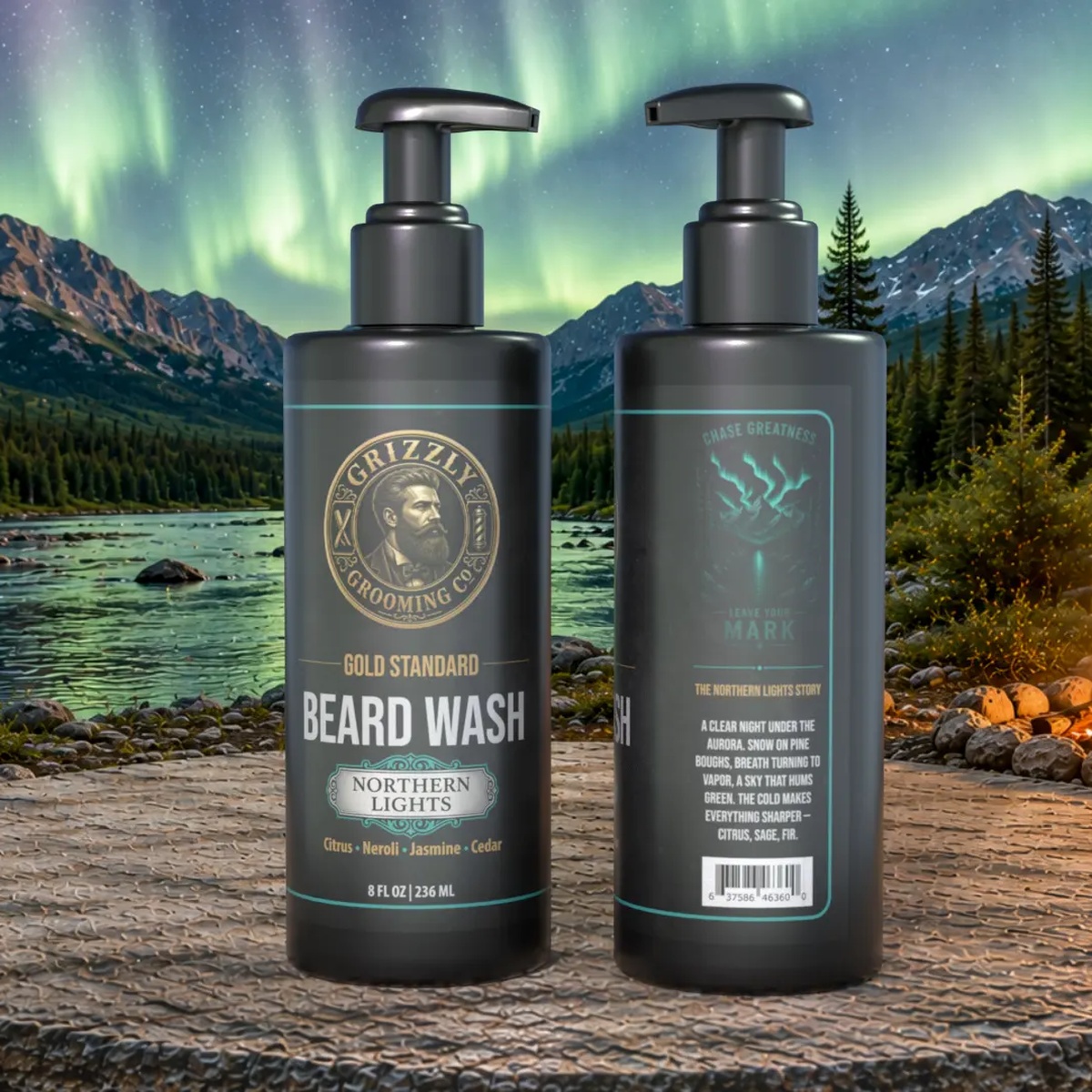
Switch to a dedicated beard wash once you have full coverage. These formulas use milder surfactants that clean the hair without desiccating the skin, preventing the flaking often referred to as beardruff.
Navigating the Awkward Patchy Phase
Most men experience uneven growth rates, where the mustache or chin grows faster than the cheeks. Between weeks three and six, the temptation to trim these areas is high, but patience is a technical requirement.
Allow the slower-growing hairs to catch up. Use a boar bristle brush to train the hair to lay flat, which covers thin spots and gives the illusion of a denser beard while the follicles reach their full potential.
Transitioning to Structural Maintenance
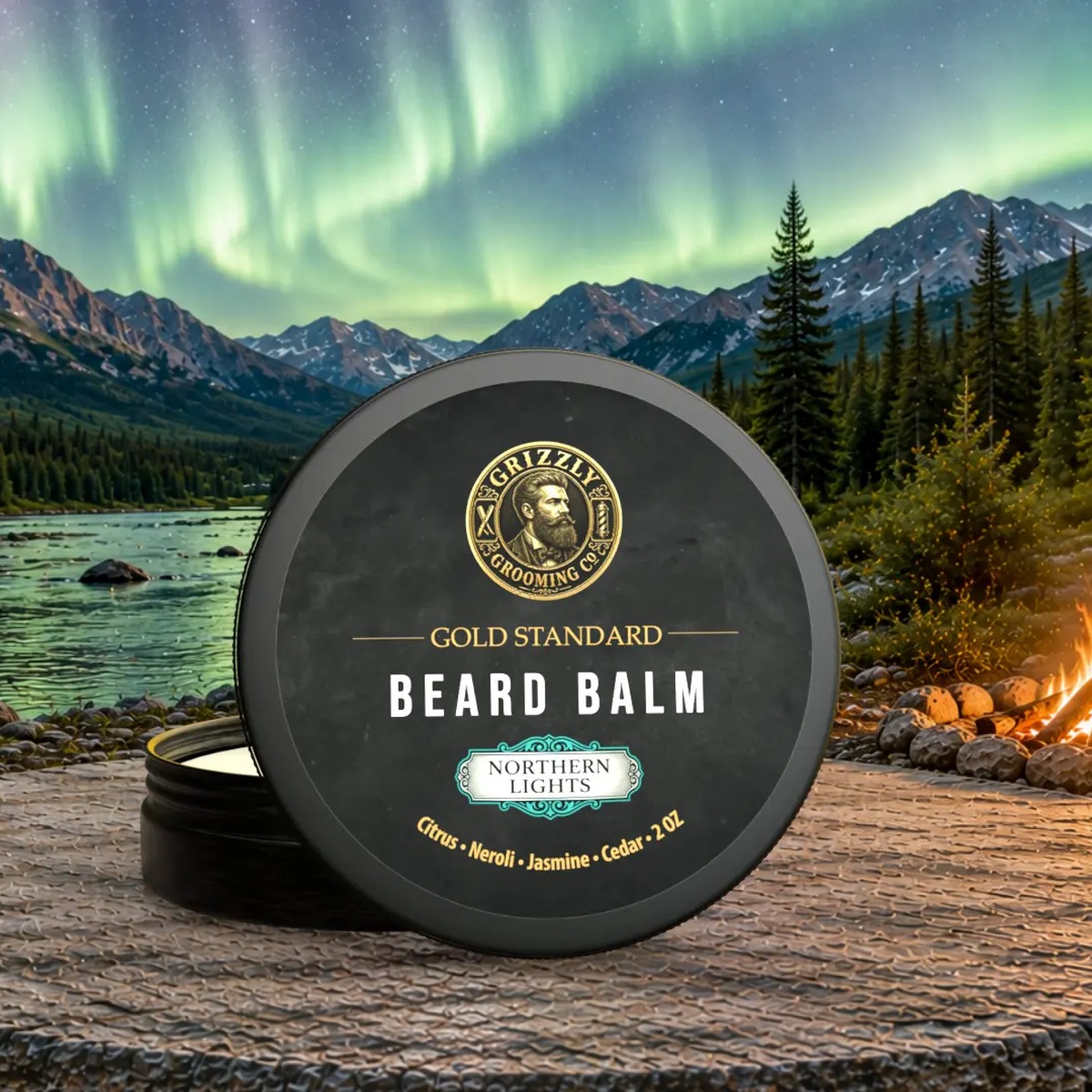
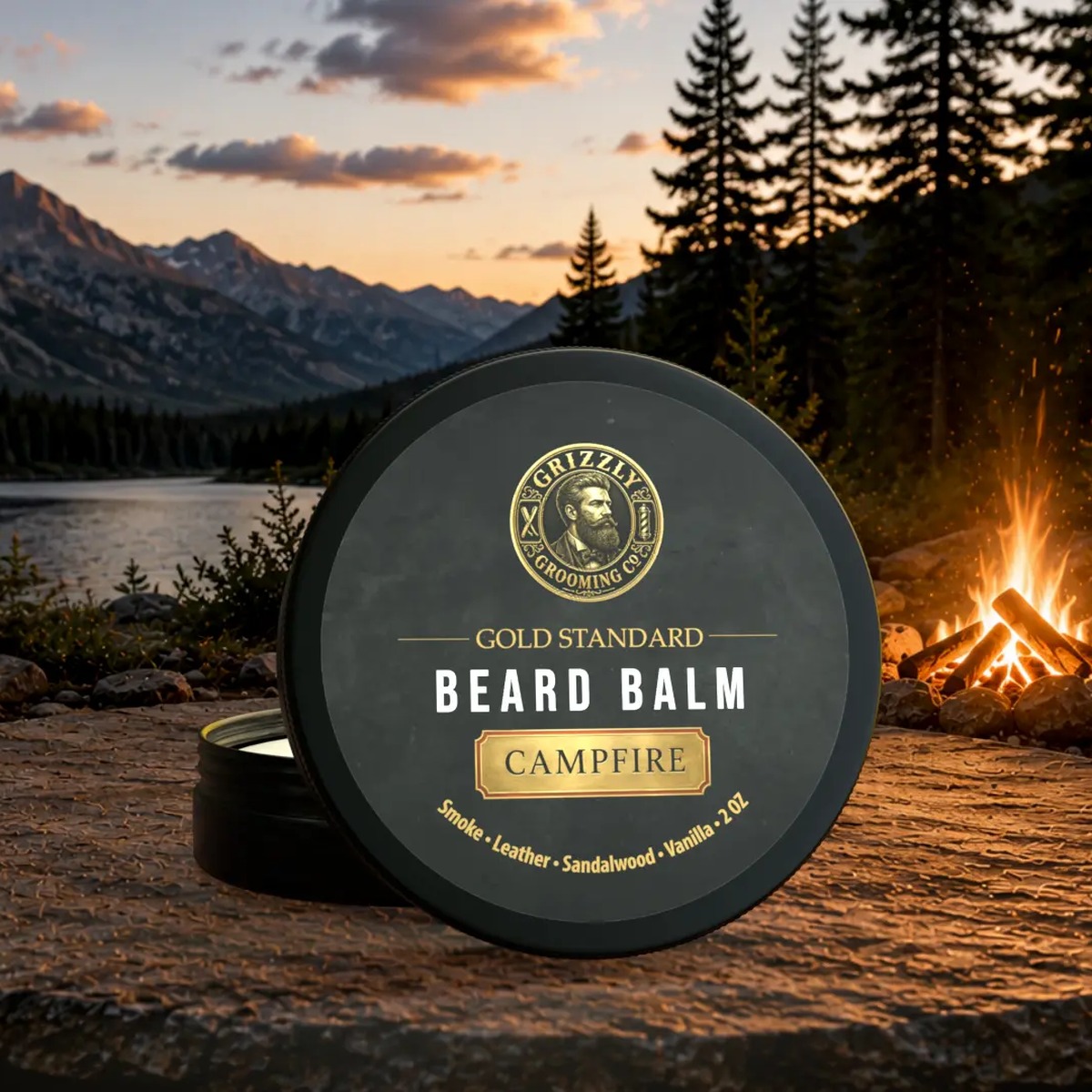
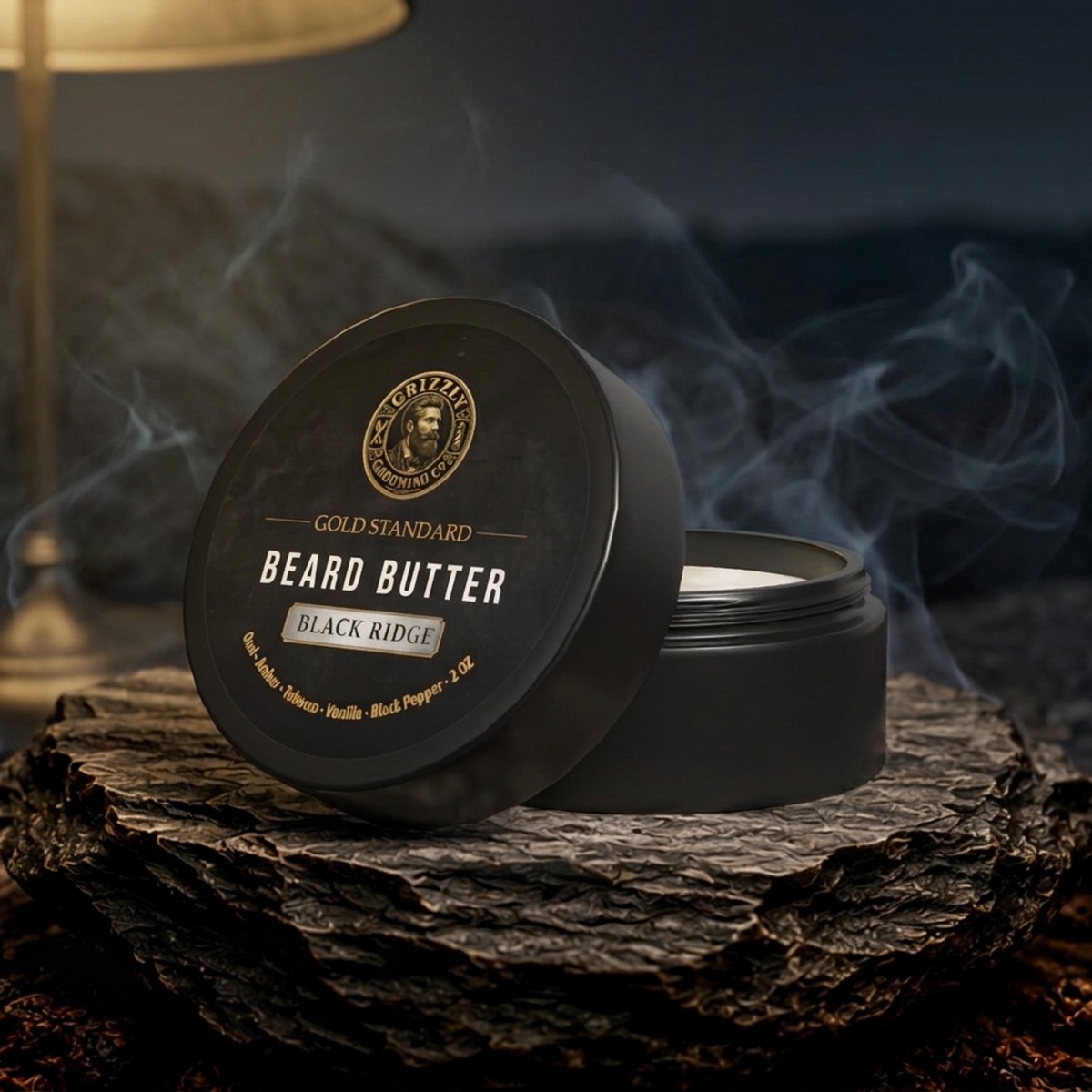
Once you reach the one-month mark, the beard has enough length to hold shape. This is when you introduce a beard balm or beard butter to provide light hold and deep conditioning.
Balm contains beeswax and lanolin, which provide the structural integrity needed to keep stray hairs in check. This transition marks the end of the 'growth' phase and the beginning of the 'grooming' phase.
Frequently Asked Questions
How long does it take to grow a full beard?
Most men will achieve a full-coverage look within 30 to 60 days. Hair typically grows at a rate of half an inch per month, though genetics and nutrition can influence this timeline.
Why does my new beard feel so scratchy?
Scratchiness occurs when the tapered ends of shaved hair grow long enough to bend back and touch the skin. Using a quality beard oil daily will soften these tips and eliminate the irritation.
Should I use a comb or a brush on stubble?
For early growth, a boar bristle brush is superior to a comb. The bristles reach the skin to exfoliate and distribute natural oils, whereas a comb requires more length to be effective.
Build your ritual in 60 seconds.
Answer four questions and get a custom regimen — plus a 15% bundle discount.
Start The Ritual Builder