A Professional Guide to Growing a Beard From a Clean-Shaven Base
The decision to move away from the razor is often met with a difficult two-week awkward phase. Success in growing a beard lies in acknowledging that facial hair is an extension of your skin care, not a replacement for it. By managing the follicular transition with precision, you can maintain a professional appearance from day one.
- ›Prioritize skin hydration immediately to prevent the common follicular itch.
- ›Define your neckline and cheek lines early to signify intentional growth.
- ›Exfoliate the skin beneath the stubble to prevent ingrown hairs.
- ›Introduce beard oil as soon as the hair breaks the skin surface.
- ›Resist the urge to trim length for at least the first four weeks.
The Critical First Fortnight
The first fourteen days are defined by a shift in skin chemistry. As whiskers emerge, they draw moisture away from the skin surface, often resulting in the dreaded beard itch. This is not a sign of poor hygiene, but rather a signal that your sebaceous glands are struggling to keep up with the new demand for hydration.
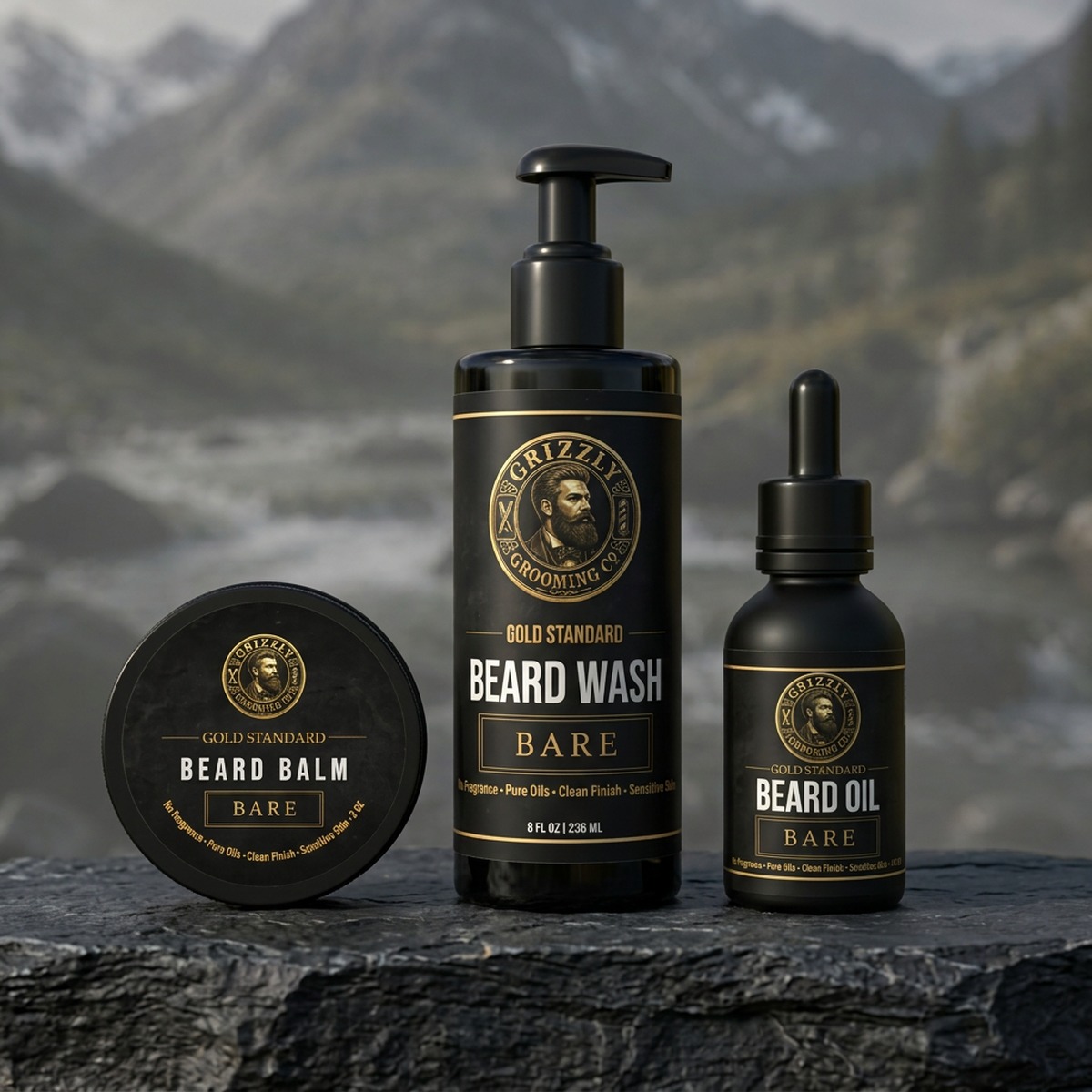
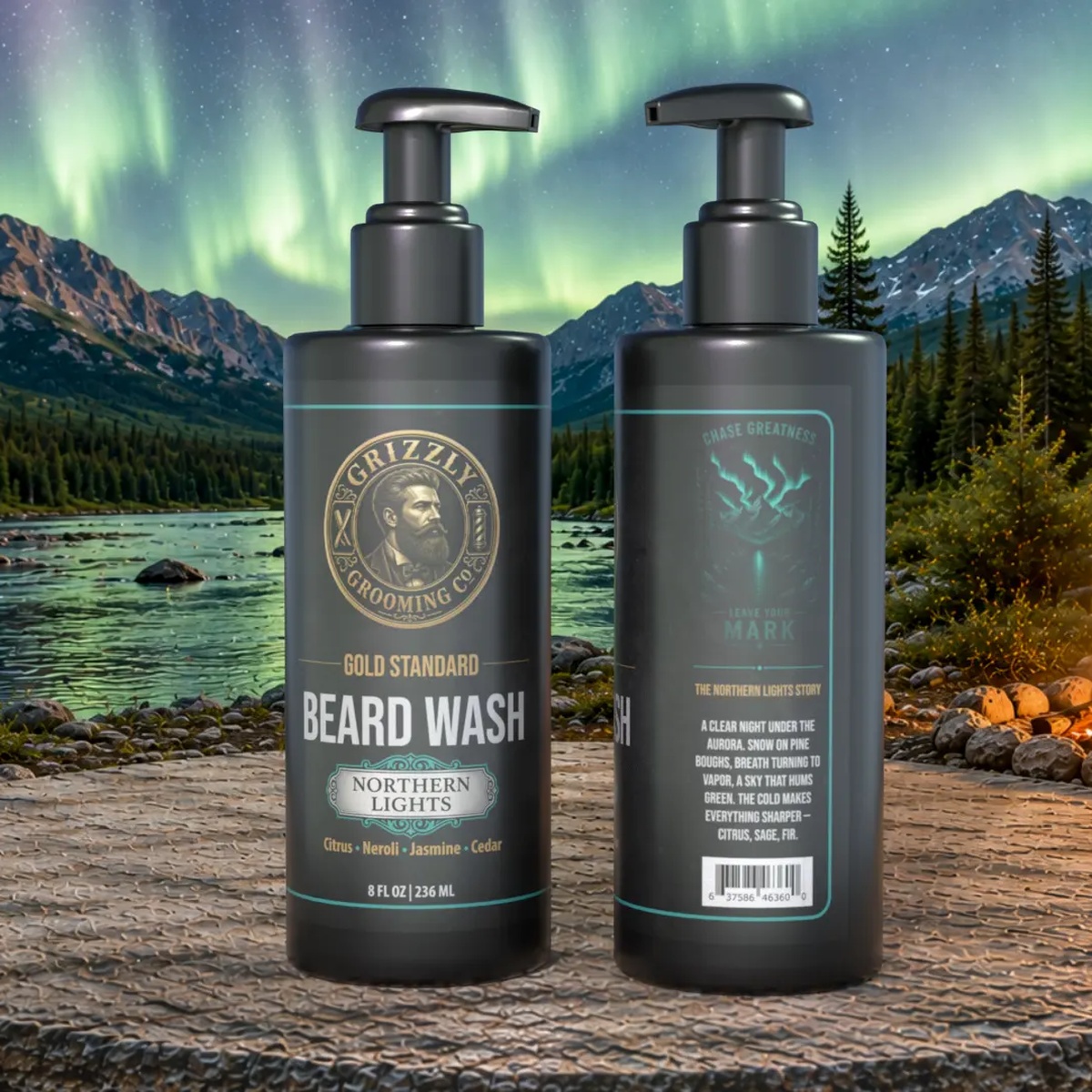
During this phase, cleanliness is non-negotiable. Use a dedicated beard wash rather than standard bar soap or hair shampoo. Standard soaps contain harsh sulfates that strip the very oils your new growth needs to remain soft. A gentle wash ensures the pores remain clear of dead skin cells that can trap emerging hairs.
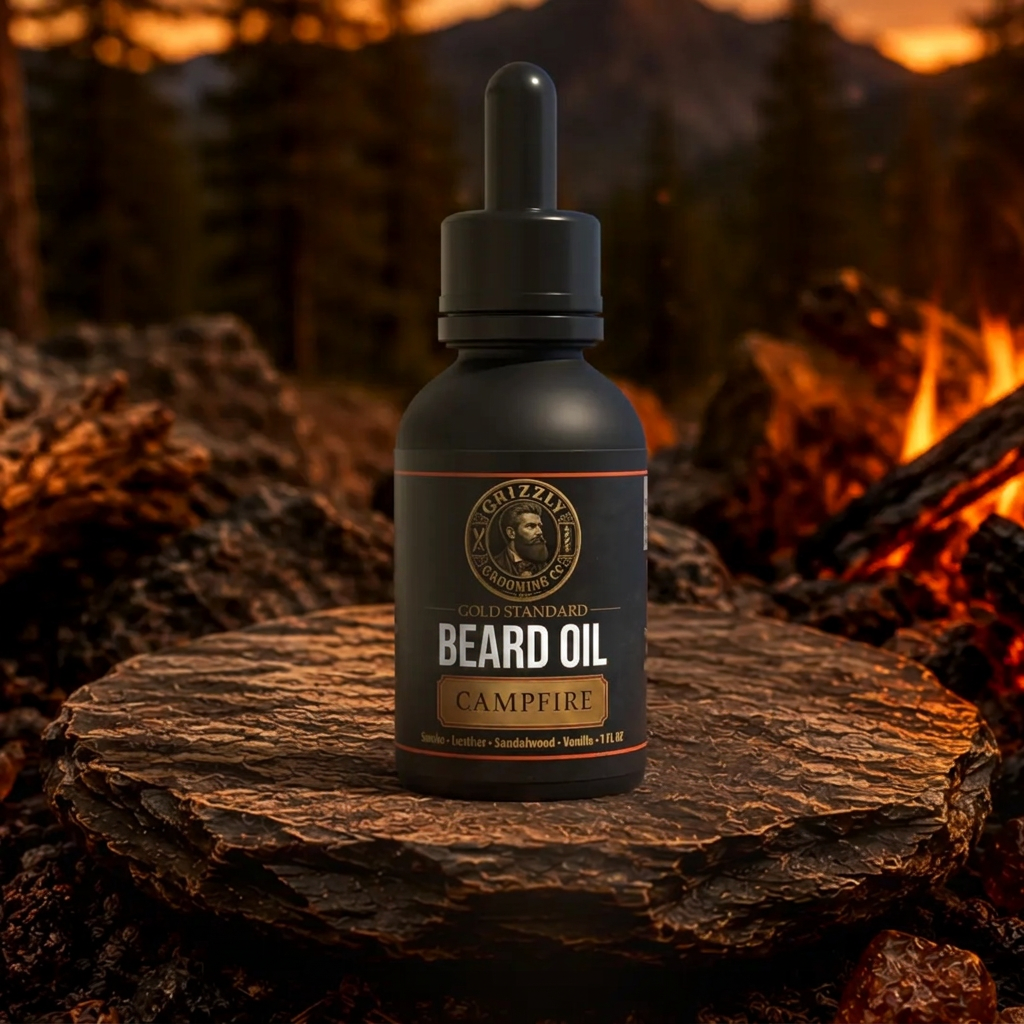
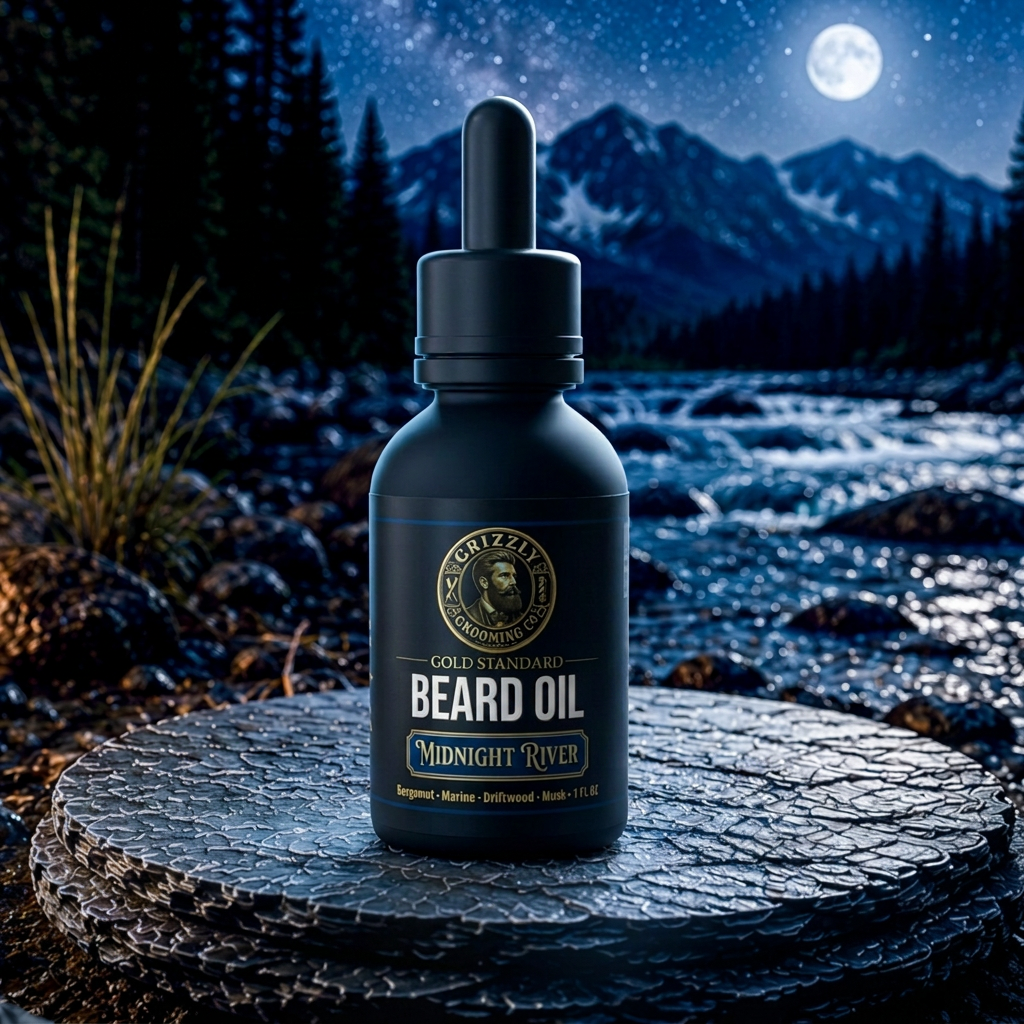
Apply a small amount of beard oil once daily. Even at stubble length, the oil penetrates the follicle and softens the sharp, tapered ends of the hair left behind by your last shave. This reduces irritation significantly and sets the foundation for healthy growth.
Defining Intentional Borders
The difference between looking unkempt and looking like a man growing a beard is the presence of clean lines. The most common mistake is letting the hair grow wild onto the neck. To maintain a professional aesthetic, define your neckline approximately two fingers above the Adam's apple.
Use a single-blade razor or a high-quality trimmer to clear any hair below this line. Similarly, keep the upper cheek lines clean. You do not need to take them low; simply remove the stray 'scouts' that grow toward the eyes. This creates a frame that proves the growth is a deliberate style choice.
Symmetry is your strongest ally here. Use your jawbone as a natural guide. If you are unsure where to stop, err on the side of caution. You can always take more off, but a neckline cut too high takes weeks to rectify.
Moisture Management and Skin Health
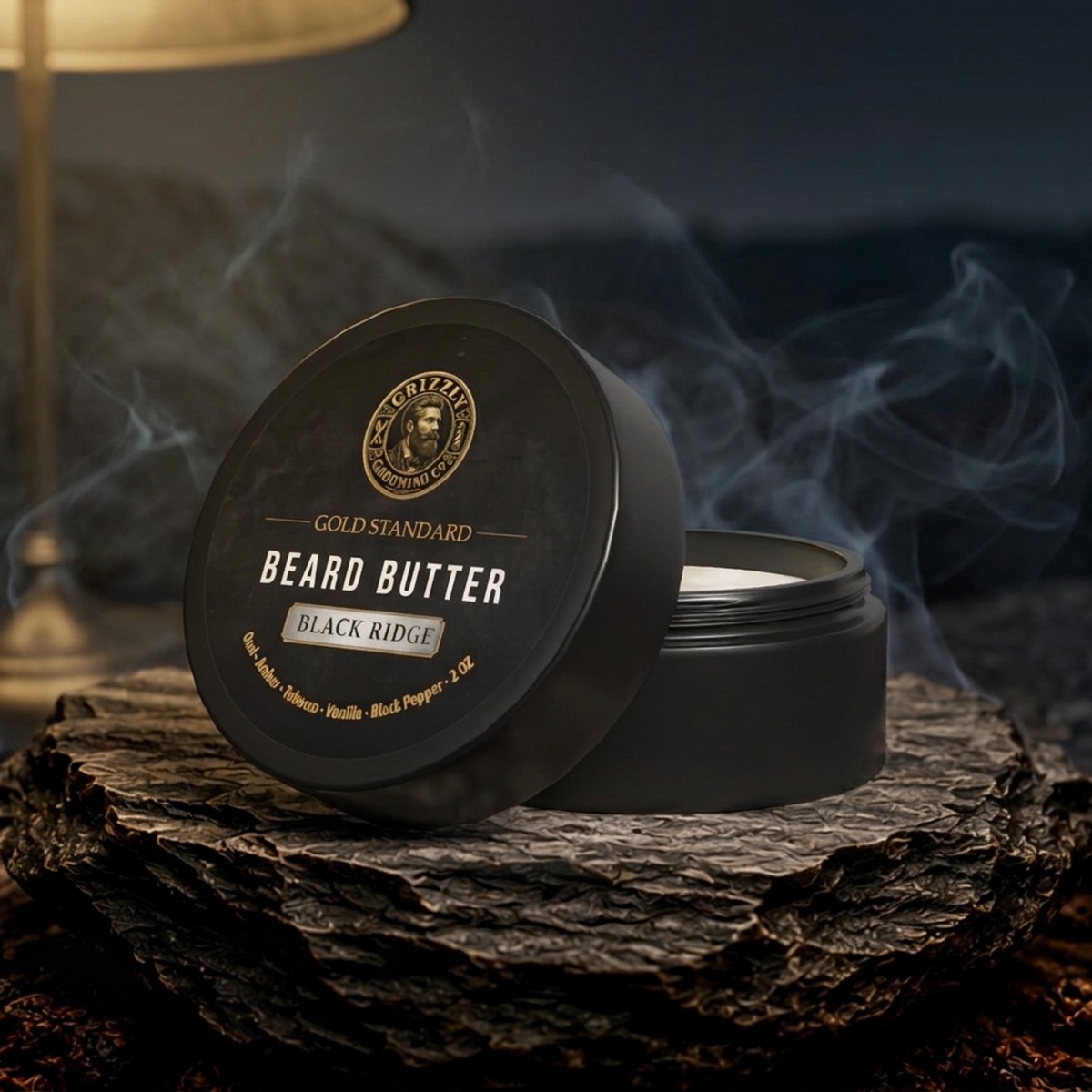
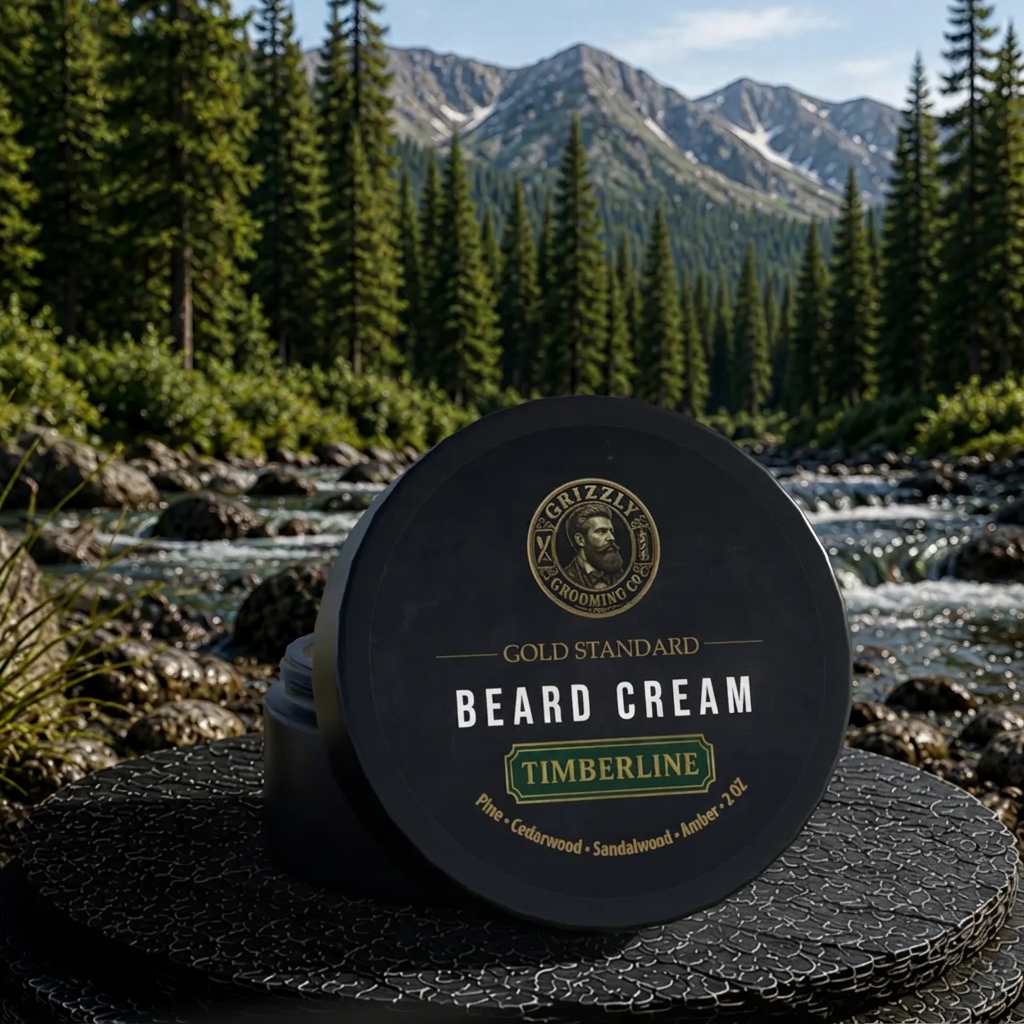
As your beard moves into the one-month mark, the hair density will begin to trap heat and debris against the skin. This environment is prone to 'beardruff' or flaking. To combat this, you must transition from liquid oils to heavy-duty hydration like a beard butter or high-viscosity oil.
Grizzly Gold Standard beard oil is formulated with lipids that mimic the body's natural sebum. Brushing this through the beard with a firm boar bristle brush performs two tasks: it distributes the product evenly and mechanically exfoliates the skin underneath.
Consistency in your ritual is what separates the veterans from the novices. A morning application after a warm shower—when the cuticles are open—ensures maximum absorption. This prevents the hair from becoming brittle and prone to split ends later in the growth cycle.
Navigating the Patchy Threshold
Every man faces areas of lower density, typically on the cheeks or the connectors between the mustache and chin. The reflex is to shave it off, but the remedy is patience. Different follicles grow at different rates; some hairs may take an extra three weeks to appear.
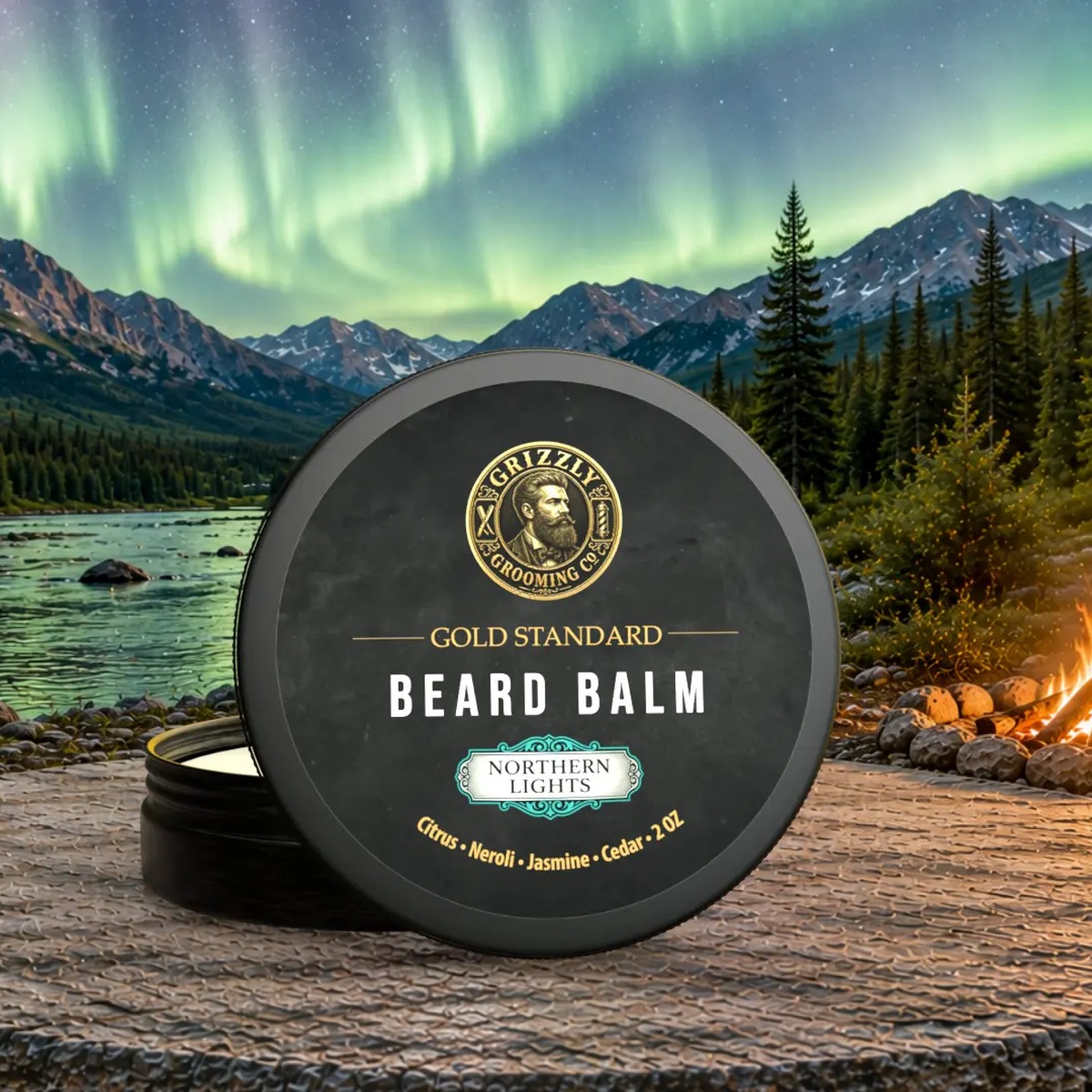
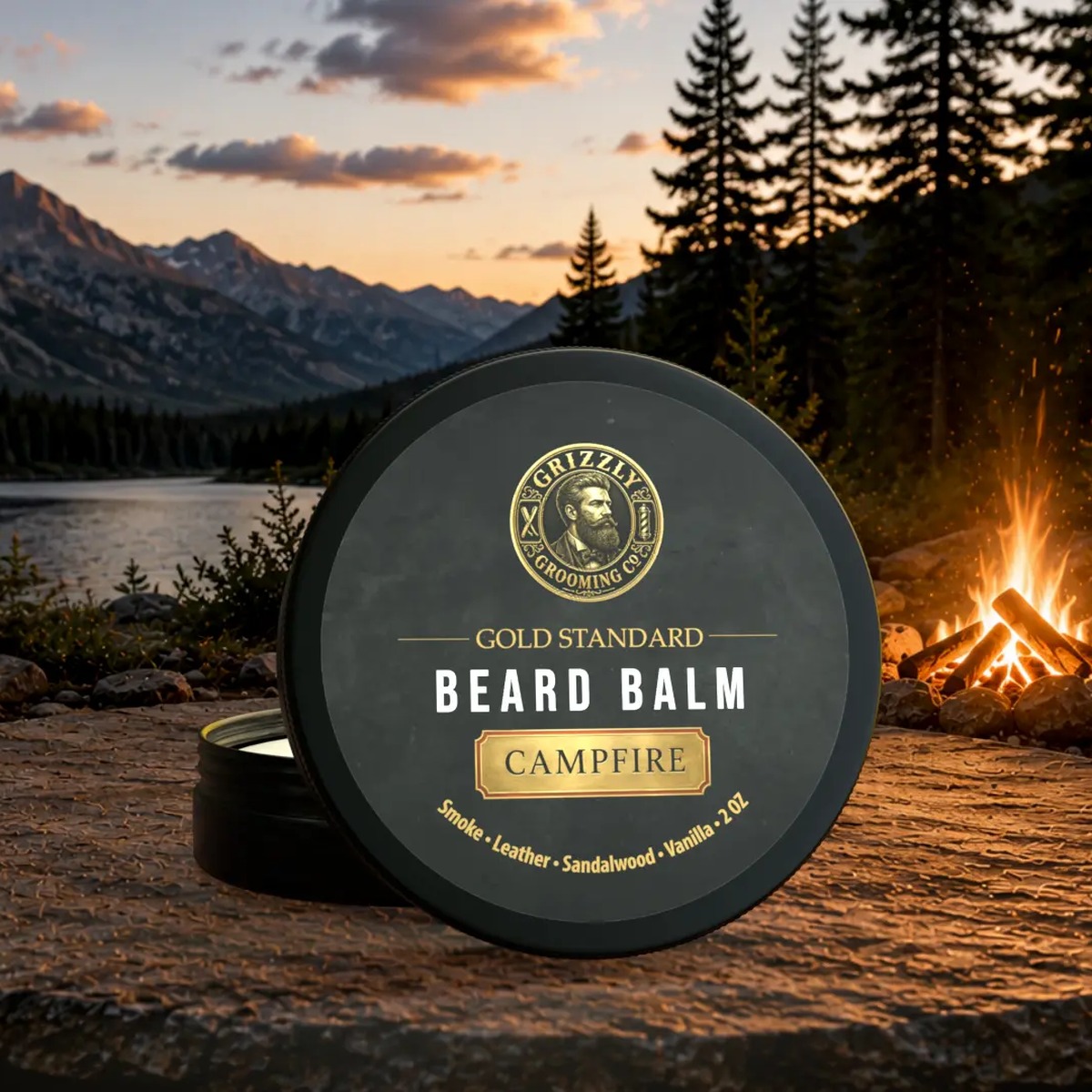
Allow the surrounding hairs to grow longer to provide coverage over thinner spots. Using a styling product like a light-hold beard balm can help train longer hairs to lay flat over these gaps. This creates the illusion of uniform thickness while the slower follicles catch up.
Avoid mirrors that offer extreme magnification. No one sees your beard from two inches away. If it looks solid from six feet, it is a success. Focus on the health of the hair rather than the immediate density, as healthy hair always appears fuller than dry, damaged strands.
Frequently Asked Questions
How long does it take to grow a full beard?
Most men will achieve a recognizable full beard within 2 to 4 months. Hair typically grows at a rate of half an inch per month, though genetics and lifestyle factors like nutrition can influence this timing.
When should I start using beard oil?
Start using beard oil the moment you stop shaving. Even at stubble length, the oil hydrates the skin and softens the coarse ends of the hair, preventing the irritation and redness that causes most men to quit early.
Do I need to wash my beard every day?
No, washing with a beard wash daily may be counterproductive by stripping natural oils. We recommend a thorough wash 2 to 3 times a week, while rinsing with plain water and reapplying oil on the off days.
Build your ritual in 60 seconds.
Answer four questions and get a custom regimen — plus a 15% bundle discount.
Start The Ritual Builder