A Professional Guide to Growing a Beard From a Clean Shave
The shift from a daily razor routine to a full beard is often misunderstood as a passive process of simply not shaving. In reality, the first thirty days dictate whether the resulting growth looks intentional or merely neglected. Mastery of this transition requires a shift in focus from hair removal to skin cultivation.
- ›Prioritize skin exfoliation in the first two weeks to prevent ingrown hairs.
- ›Introduce beard oil immediately to manage the inevitable itch of new growth.
- ›Maintain a crisp neckline to distinguish a beard from lack of effort.
- ›Avoid the urge to trim or shape the bulk for at least four full weeks.
- ›Switch to a dedicated beard wash to preserve natural sebaceous oils.
The Foundation of Skin Preparation
Before the first millimeter of hair emerges, your skin’s health is the primary concern. A clean-shaven face is accustomed to the exfoliating nature of a razor, and when you stop, dead skin cells can accumulate and trap emerging follicles. This leads to irritation and the common 'beard itch' that causes most men to quit within ten days.
Begin using a gentle exfoliating wash twice weekly. This clears the path for new growth. Simultaneously, ensure your skin remains hydrated. A dry dermis will steal moisture from the hair follicle, resulting in brittle growth and a lackluster appearance from the very start.
Navigating the Initial Two-Week Itch
Around day seven, the hair is long enough to curl back and poke the skin, but not heavy enough to lay flat. This is the peak of discomfort. Most men blame the hair, but the culprit is often dehydrated skin that has become sensitized to the new texture of the stubble.
Apply a high-quality beard oil once daily during this phase. Even though the hair is short, the oil serves to soothe the skin and soften the sharp ends of the hair left by your last shave. Look for oils containing jojoba or argan, as these closely mimic the body’s natural sebum, providing relief without a greasy residue.
Defining the Boundaries of Intent
The difference between a man growing a beard and a man who has forgotten to shave is the neckline. By day ten, you should establish a clear boundary. Locate the point where your neck meets your jaw—usually about two fingers above the Adam's apple—and shave everything below that line in a smooth 'U' shape.
Keep the cheek lines natural for now. Aggressive shaping too early can ruin the proportions of the beard as it gains volume. A clean neckline signals to the world that this growth is a deliberate stylistic choice, maintaining a professional appearance even during the awkward patchy phase.
Shifting Your Cleansing Regimen
As the hair reaches a length where it covers the skin entirely, standard bar soaps and facial cleansers become your enemy. These products are formulated for skin and often contain harsh sulfates that strip the natural oils from facial hair, leaving it wiry and difficult to manage.
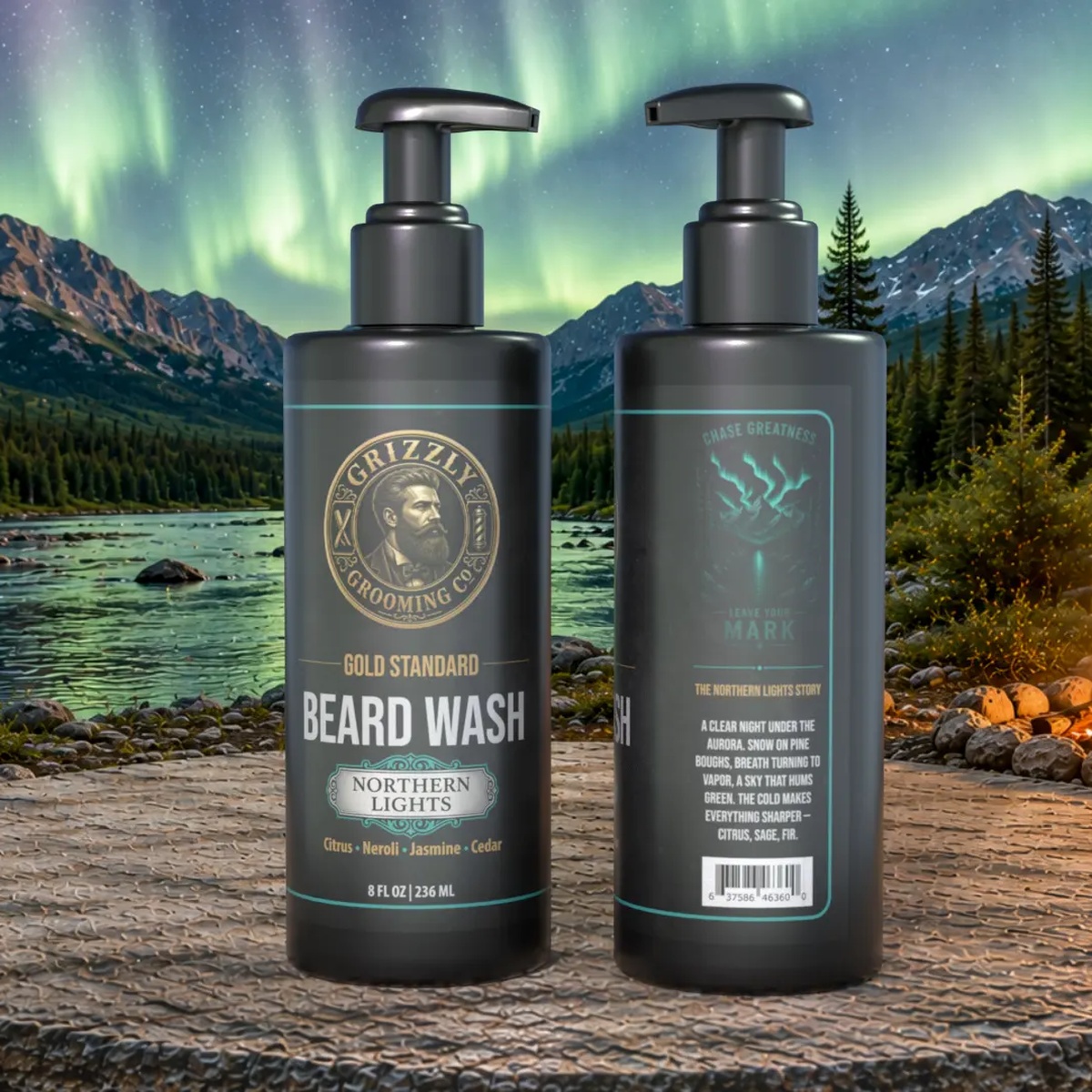
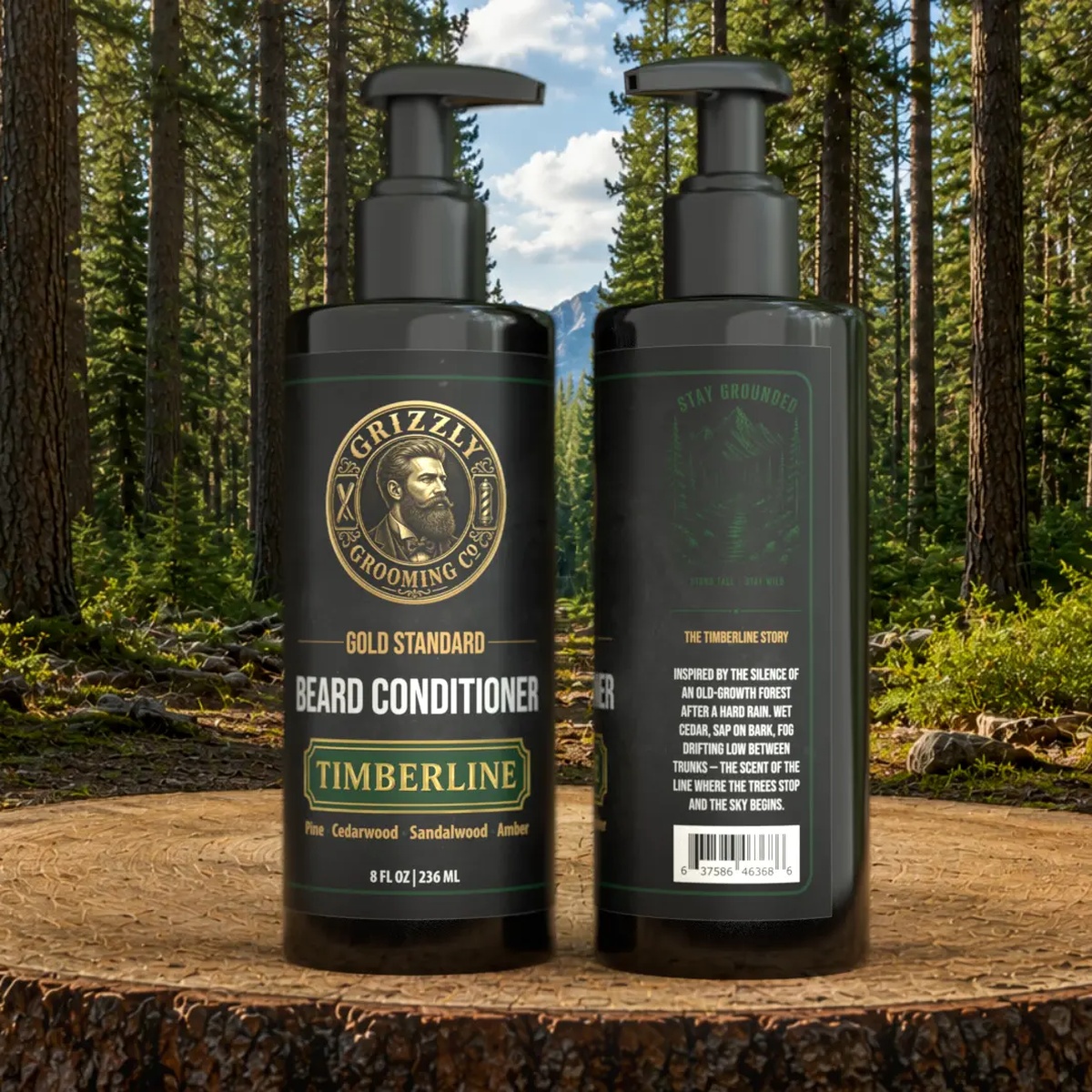
Transition to a dedicated beard wash. These formulas are designed to clean the hair while respecting the delicate environment of the face. Unlike scalp hair, beard hair is androgenic and requires more moisture to stay supple. If the hair feels particularly stiff, a light beard conditioner can be introduced to provide the necessary weight and softness.
The Four-Week Rule of Growth
Patience is the most difficult tool to master. Every beard has a different growth rate and density pattern; judging your progress at two weeks is premature. You must commit to twenty-eight days of uninterrupted growth before making any major decisions regarding the shape or style of your beard.
During this month, you may notice patches or unevenness. This is normal. Bulk often fills in these gaps as the surrounding hairs grow longer. Once you reach the four-week mark, you will have a realistic map of your facial hair, allowing you or your barber to shape the growth based on your actual density rather than your expectations.
Frequently Asked Questions
How do I stop my new beard from itching?
Itchiness is caused by dry skin and the sharp tips of new hair. Apply beard oil daily to the skin beneath the stubble and use a soft boar bristle brush to exfoliate the skin and direct the hair.
When should I start using beard balm?
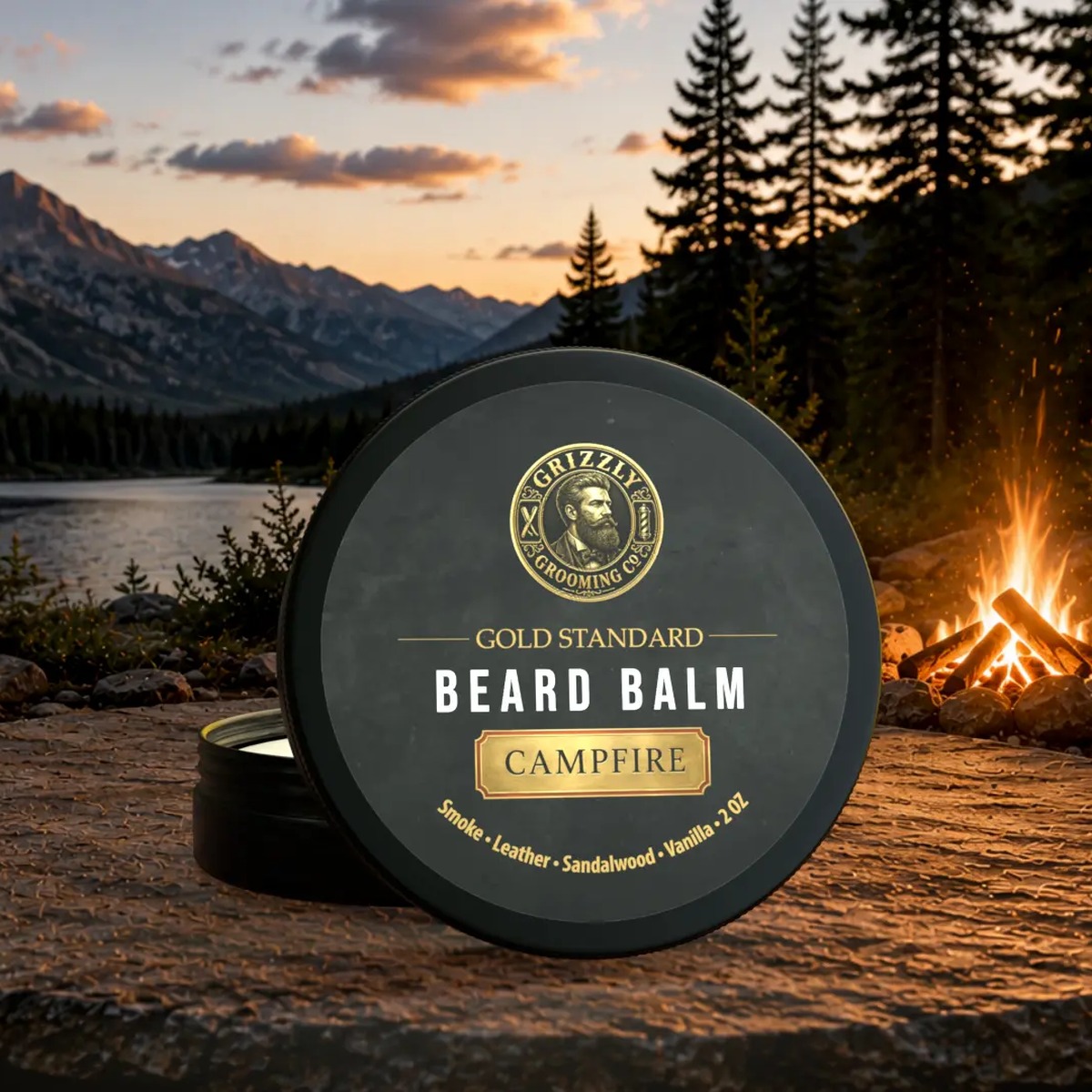
Beard balm is best introduced once the hair is long enough to be unruly, typically around the one-month mark. It provides a light hold and protects the hair from environmental damage, whereas oil is primarily for skin health.
Will shaving make my beard grow back thicker?
This is a common myth. Shaving gives hair a blunt tip, which may feel thicker temporarily, but it does not change the follicle's density or growth rate. Only time and proper nutrition will influence the actual thickness of the hair.
Build your ritual in 60 seconds.
Answer four questions and get a custom regimen — plus a 15% bundle discount.
Start The Ritual Builder