
A Master Class in Trimming the Perfect Beard Neckline
The difference between a deliberate beard and one that appears neglected lies entirely in the neckline. A well-defined boundary creates the illusion of a stronger jaw and provides a structural foundation for your facial hair. Mastering this line requires a steady hand and an understanding of your own anatomy rather than following arbitrary trends.
- ›Identify the correct height exactly two fingers above the Adam's apple.
- ›Follow the natural curve from the earlobe down to the center point.
- ›Use a professional-grade trimmer without a guard for the initial line.
- ›Keep your chin at a neutral level to avoid distorting the skin during the cut.
- ›Hydrate the skin immediately after with a high-quality beard oil.
Locating the Anatomical Sweet Spot
The most frequent error in home grooming is setting the neckline too high, which creates an awkward disconnect between the face and neck. The industry standard is to place your index and middle fingers horizontally above your Adam's apple. The point just above your top finger is the lowest point of your beard.
From this central anchor, you will visualize a curved line that travels up toward the back of your ears. This line should resemble a shallow 'U' shape rather than a straight 'V'. If you cut straight across, you risk a boxy appearance that does not suit the natural contours of the human skull.
The Neutral Chin Protocol
Proper posture is vital for symmetry. Many men instinctively tilt their heads back to get a better view of their neck in the mirror, but this stretches the skin and moves the jawline upward. When you return your head to a neutral position, the line you just cut will be crooked and significantly higher than intended.
Instead, maintain a level gaze. Use a handheld mirror to check your profile while keeping your neck straight. Work in small, controlled strokes starting from the center and moving outward. This incremental approach allows you to adjust for any natural asymmetry in hair growth patterns.
Tool Selection and Technical Execution
A dedicated beard trimmer with a T-blade is the preferred tool for defining the perimeter. Start by clearing the bulk below your target line using a higher guard, then remove the guard to establish the final edge. Always move the trimmer in the direction of hair growth first to reduce irritation, then against the grain for a closer finish.
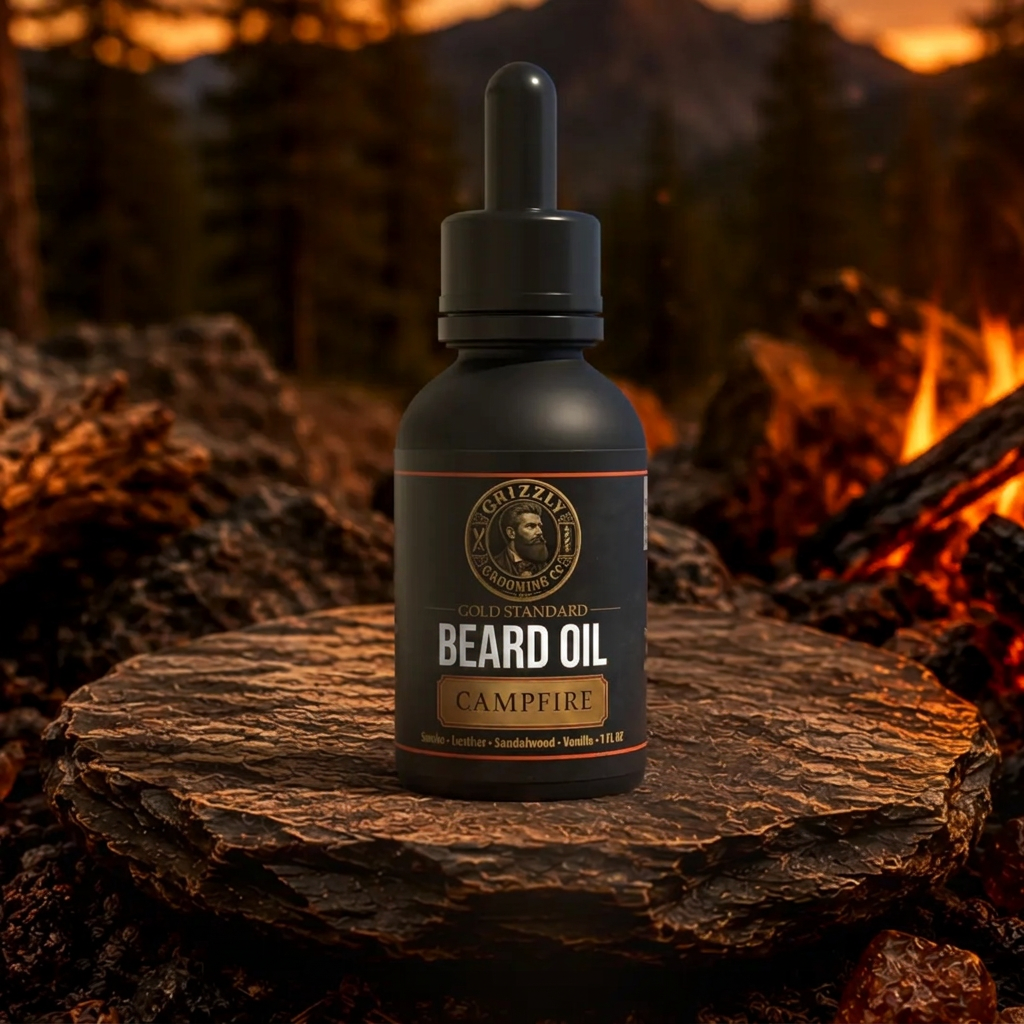
After the line is set, use a clear shave gel or a few drops of Grizzly Gold Standard beard oil to provide lubrication for a safety razor. This allows you to see exactly where the blade meets the skin, ensuring you don't accidentally nick the established boundary. Precision here prevents the 'phantom' neckline that occurs when lines are blurred by stubble.
Post-Trim Skin Recovery
The skin on the neck is notoriously sensitive and prone to razor burn and ingrown hairs. Once the trimming is complete, rinse the area with cold water to constrict the pores and soothe any thermal irritation from the trimmer blades. Avoid alcohol-based aftershaves which dehydrate the skin and lead to flaking.
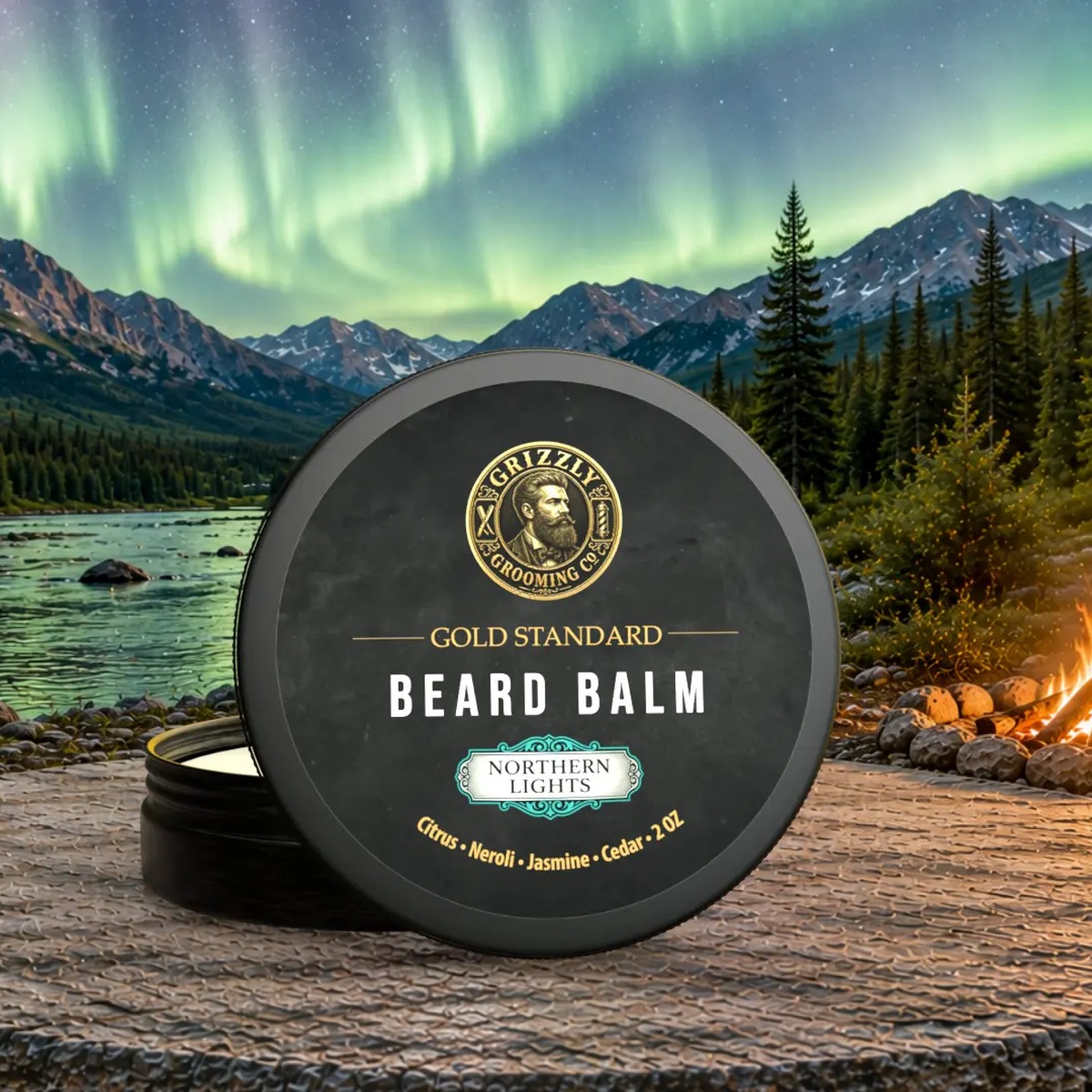
Apply a small amount of Grizzly Gold Standard beard balm to the hair near the line and a soothing moisturizer to the bare skin. The wax in the balm helps keep the perimeter hairs in place, preventing them from curling back and irritating the neck. Consistent hydration ensures that the skin remains supple, making your next trim significantly easier.
Frequently Asked Questions
How often should I trim my neckline?
For most men, a neckline cleanup is required every two to three days to maintain a sharp aesthetic. If you let it go longer than a week, the stubble begins to blur the line, making it harder to find your original guide.
What if I accidentally trim the line too high?
If you over-trim, the best course of action is to let the entire beard grow for a week without touching the neckline. Do not try to fix it by raising the other side, as this often leads to a 'chin curtain' look that lacks masculine structure.
Should the neckline be a sharp line or faded?
A sharp line offers a more traditional, clean-cut appearance and is easier to maintain at home. Fading the neckline requires multiple guard lengths and a high degree of technical skill to execute without creating patches, so a crisp line is generally recommended for the self-groomer.
Build your ritual in 60 seconds.
Answer four questions and get a custom regimen — plus a 15% bundle discount.
Start The Ritual Builder