A Master Class in Repairing and Preventing Beard Split Ends
A beard is only as strong as its ends, and once the cuticle begins to fray, the structural integrity of the entire hair shaft is compromised. Split ends are the primary reason many men experience a growth plateau or a perpetually frizzy appearance that resists styling. Addressing this requires a tactical combination of precision trimming and deep hydration to seal the hair and prevent further migration of the damage.
- ›Identify split ends early to prevent the hair shaft from splitting all the way down to the follicle.
- ›Use professional-grade shears rather than electric trimmers for a clean, non-crushing cut.
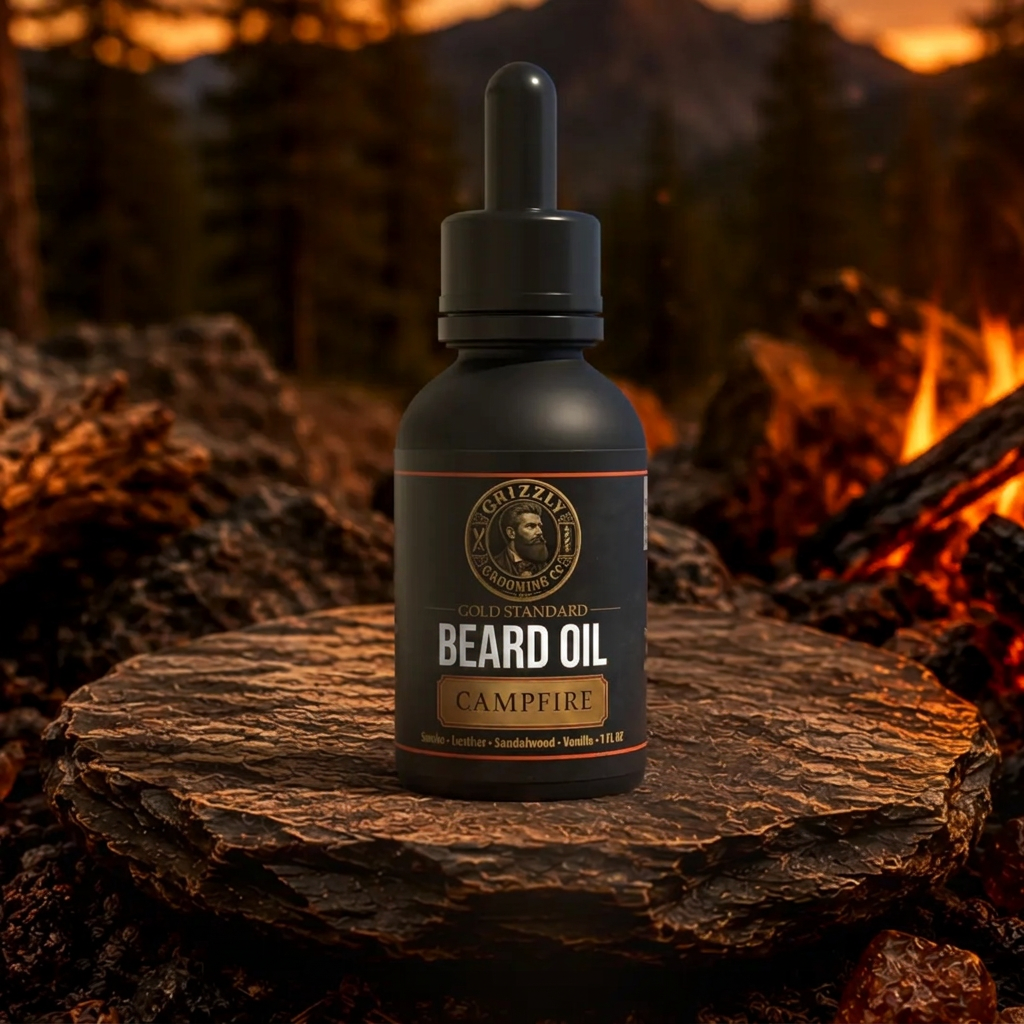
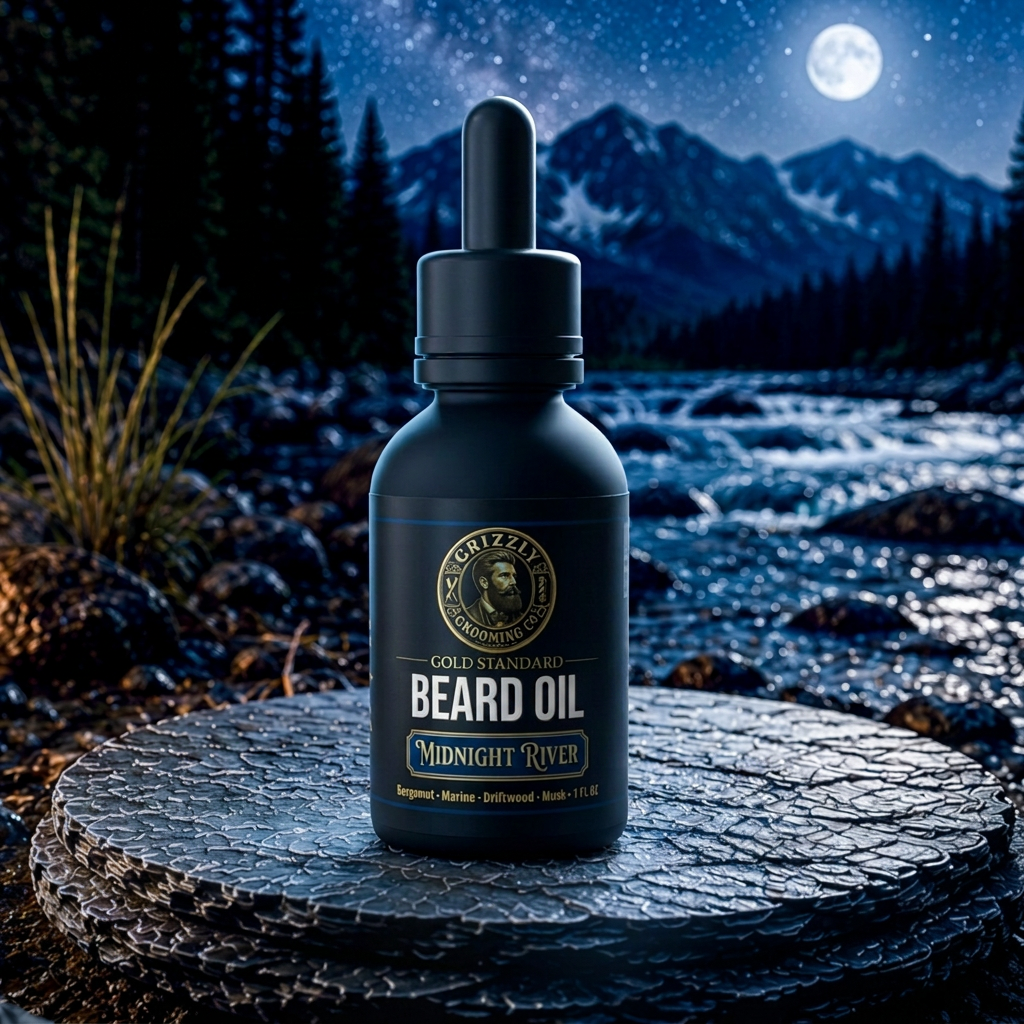
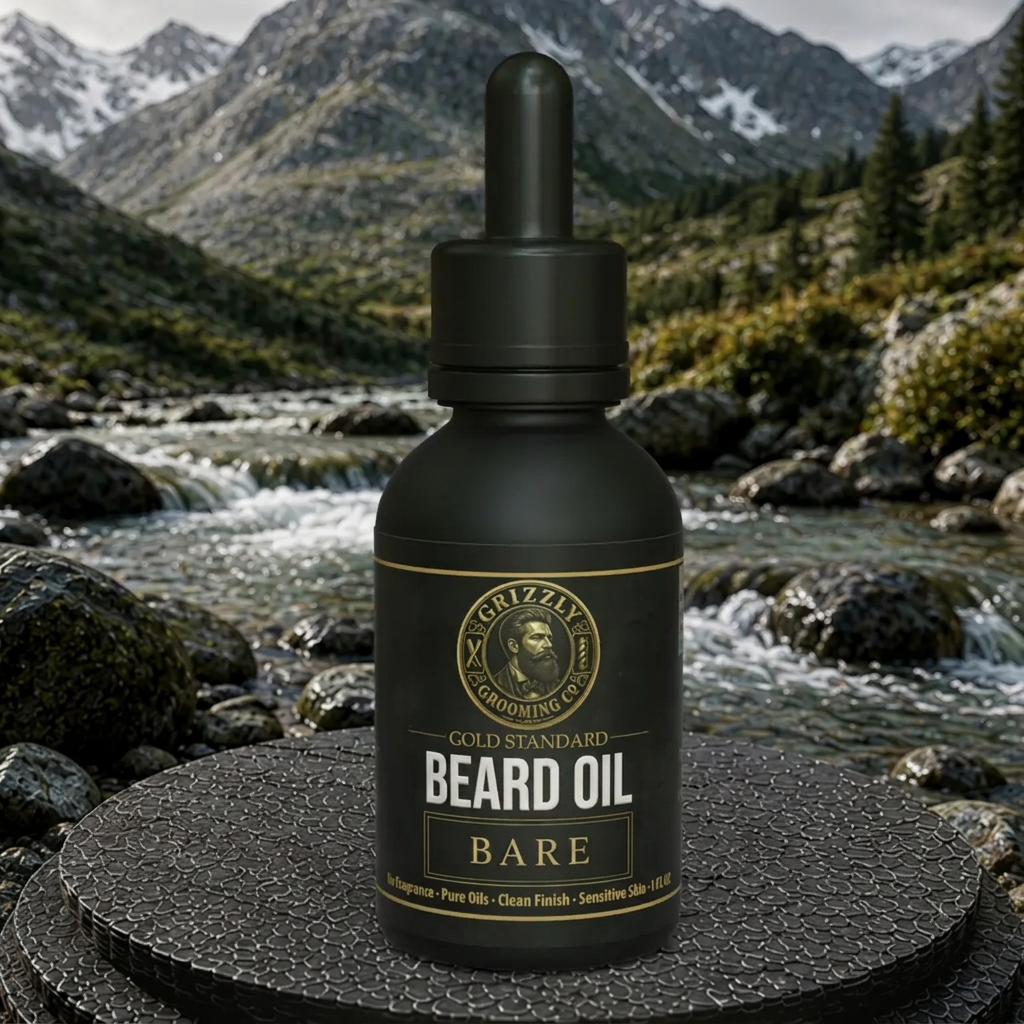
- ›Introduce beard oil daily to lubricate the hair and prevent friction-based damage.
- ›Switch to a sulfate-free beard wash to avoid stripping the natural sebum that protects the ends.
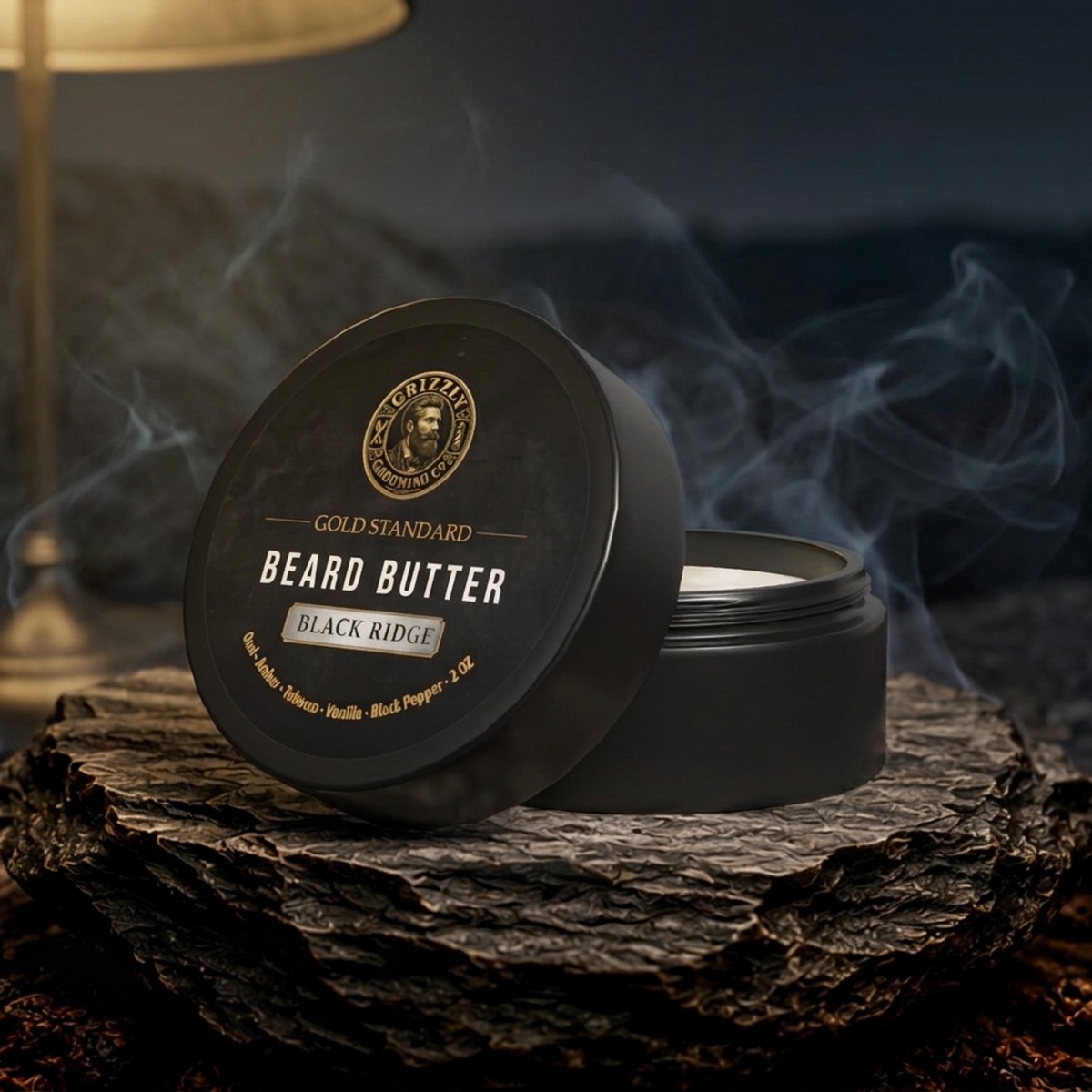
- ›Utilize beard butter at night for deep, prolonged moisture absorption while you sleep.
The Anatomy of a Split End
A split end, known scientifically as trichoptilosis, occurs when the protective outer layer of the hair, the cuticle, is stripped away. This exposes the inner cortex, leading the hair to fray into two or more strands. In a beard, this is often caused by mechanical stress, excessive heat, or chemical drying agents found in standard soaps.
Once a hair has split, it cannot be permanently fused back together. The damage will continue to travel upward, weakening the hair until it breaks off completely. This process results in a beard that looks thin at the bottom and feels coarse to the touch, regardless of how much styling product you apply.
The Precision Trim Method
The only way to truly eliminate a split end is to remove it. However, the tool you use matters immensely. Electric trimmers often crush the hair shaft rather than slicing it, which can actually cause new splits. Invest in a pair of high-quality stainless steel barber shears to ensure a clean, perpendicular cut.
Perform a search-and-destroy mission once every two weeks. In good lighting, comb your beard out and look for hairs that branch off at the tips. Snip these individually about a quarter-inch above the split. This selective pruning maintains your length while removing the damaged sections that hinder overall health.
If the damage is widespread, a uniform trim of roughly half an inch may be necessary. This resets the baseline of your beard, allowing for healthier, more uniform growth moving forward.
Deep Hydration and Sealing
Prevention starts with proper lubrication. Beard hair is naturally more porous and coarse than the hair on your head, meaning it loses moisture rapidly. Applying a high-quality beard oil daily is non-negotiable. The oil acts as a synthetic sebum, coating the hair and preventing the friction that leads to fraying.
For men with longer beards or those in dry climates, beard oil alone may not be enough. Grizzly Gold Standard beard butter provides a thicker, more occlusive barrier. Applying butter before bed allows the nutrient-dense fats to penetrate the hair shaft over several hours, ensuring the ends remain supple and resistant to breakage.
Ingredients like jojoba oil and argan oil are particularly effective because their molecular structure mimics the natural oils produced by the skin, allowing for better absorption without leaving a heavy, greasy residue.
Refining Your Washing Ritual
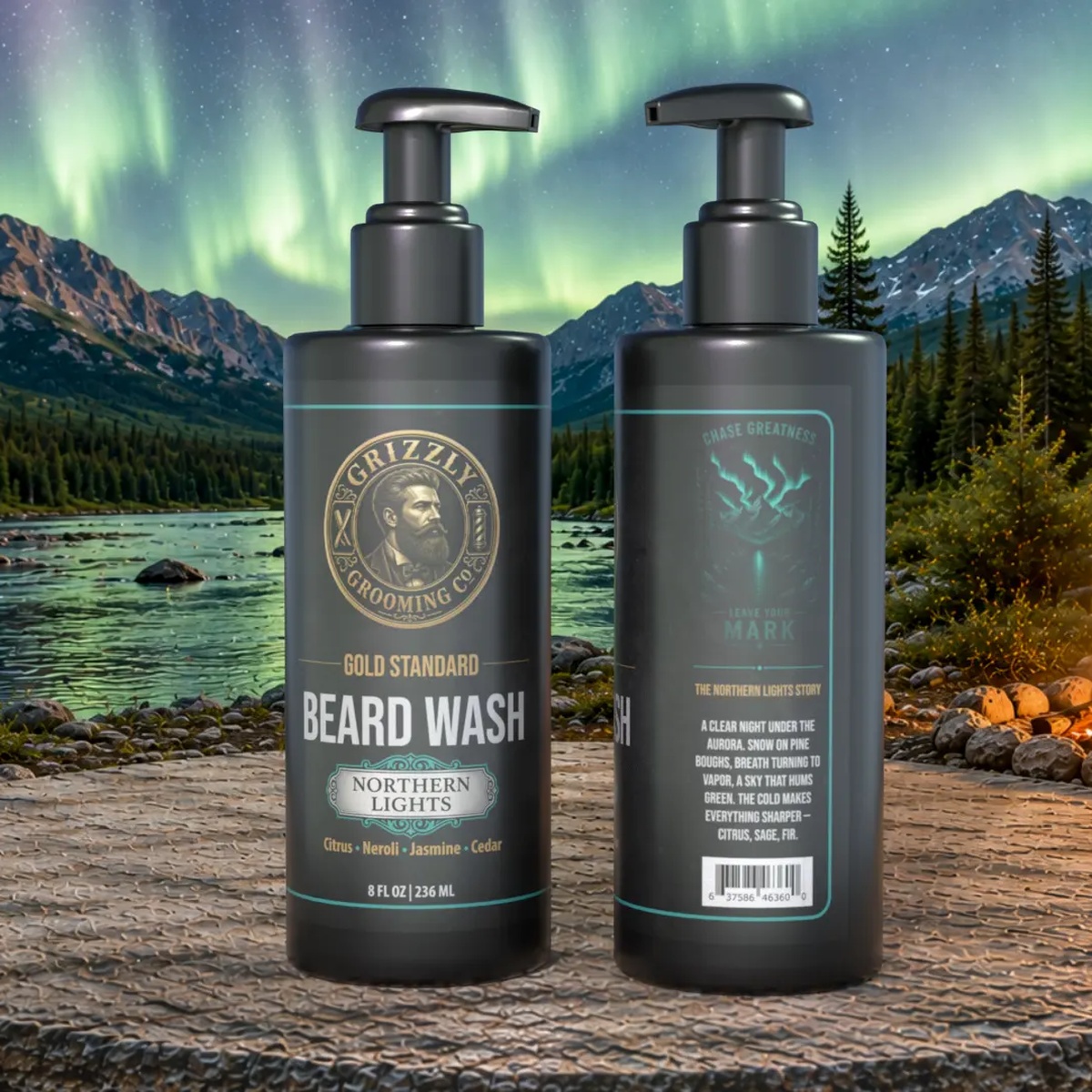
Traditional shampoos are formulated for the scalp, which produces significantly more oil than the face. Using these on a beard is a common cause of split ends, as they strip away the essential moisture that keeps the hair flexible. Switch to a dedicated beard wash that utilizes mild surfactants to clean without dehydrating.
Limit washing with soap to two or three times a week. On off days, simply rinse with lukewarm water. Excessive heat from water can also swell the hair shaft and lift the cuticle, so avoid scalping-hot showers if you want to keep your beard intact.
After washing, never rub your beard dry with a rough towel. The friction is a leading cause of mechanical damage. Instead, gently pat the beard dry or use a microfiber towel to squeeze out excess moisture before applying your oil or balm.
Frequently Asked Questions
Can beard oil fix split ends that already exist?
No, beard oil cannot fuse a split hair back together. Its primary function is to prevent new splits from forming by lubricating the hair and to temporarily smooth the cuticle of damaged hairs so they appear less frizzy.
How often should I trim my beard to prevent split ends?
A light maintenance trim every 3 to 4 weeks is usually sufficient for most men. This frequency allows you to remove damaged tips before they have a chance to migrate further up the hair shaft.
Does using a blow dryer cause split ends?
It can if used improperly. High heat evaporates the moisture inside the hair too quickly, leading to brittle ends. If you must blow dry, use the lowest heat setting and keep the dryer moving constantly, ideally following a comb to distribute the heat evenly.
Build your ritual in 60 seconds.
Answer four questions and get a custom regimen — plus a 15% bundle discount.
Start The Ritual Builder