A Master Class in Eliminating Flaky Skin Under Your Beard
Flaky skin beneath facial hair is more than a nuisance; it is a sign of a compromised skin barrier or an overgrowth of naturally occurring microbes. A proper beard is built on a foundation of healthy skin, and ignoring the underlying causes of irritation will only impede your progress.
- ›Discard standard bar soaps and hair shampoos for a specialized beard wash.
- ›Exfoliate the skin beneath the follicles once per week with a boar bristle brush.
- ›Prioritize daily beard oil application to mimic the skin's natural sebum.
- ›Hydrate the skin from within and manage shower temperatures to prevent drying.
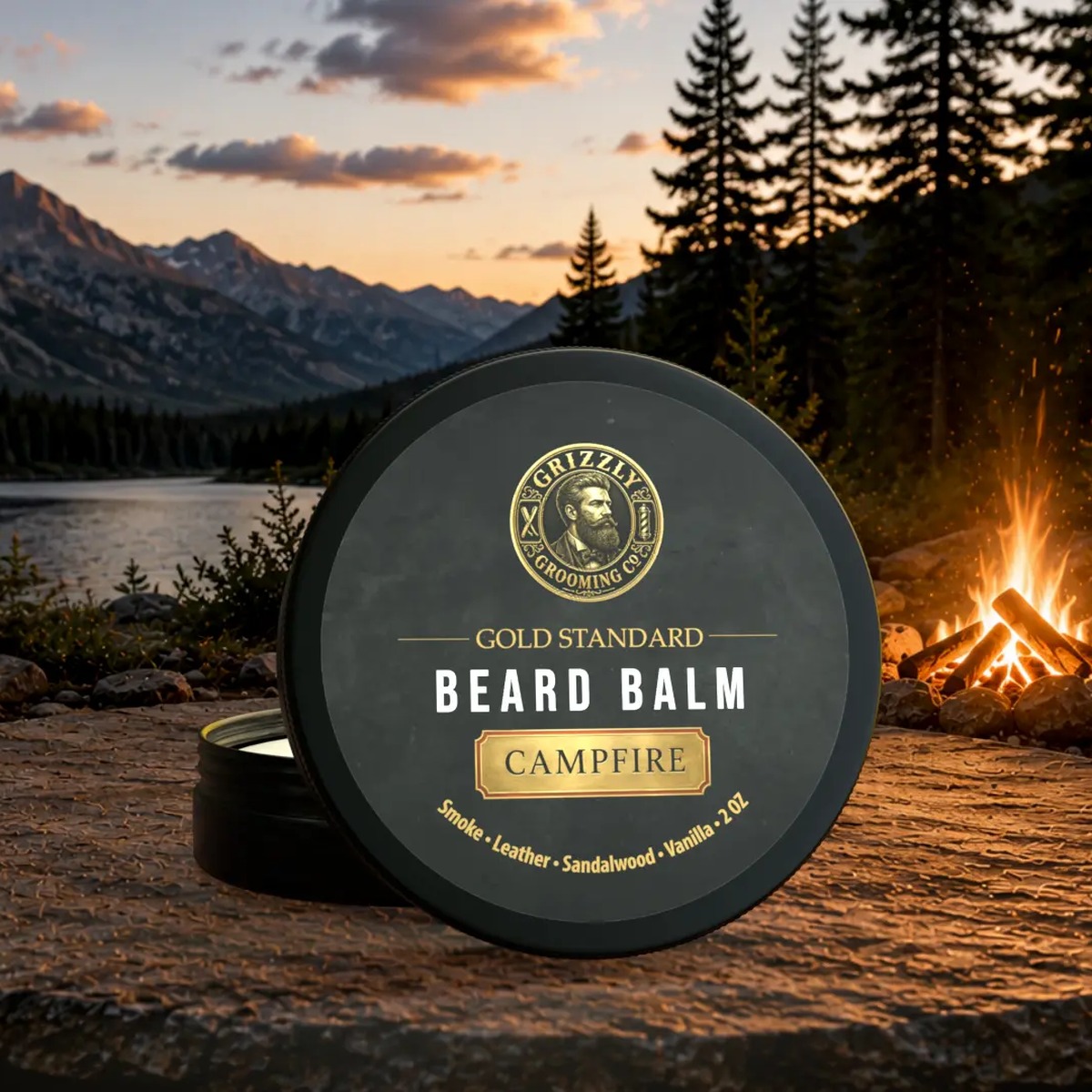
- ›Use beard butter at night to provide deep moisture during the skin's repair cycle.
Identifying the Root Cause of Beard Flakes
Before you can treat the issue, you must distinguish between simple dry skin and seborrheic dermatitis. Dry skin, often caused by cold weather or harsh cleansers, presents as small, white, translucent flakes. In contrast, seborrheic dermatitis is usually characterized by larger, yellowish, oily flakes and persistent redness, often caused by an overgrowth of Malassezia yeast.
The skin on your face produces sebum, a natural oil that keeps the dermis supple and protects the hair. As your beard grows longer, it requires more oil than your body can naturally produce, leading to a deficit that causes the skin to dry out and flake away. Addressing this deficit is the primary objective of any effective grooming ritual.
The Necessity of a Dedicated Beard Wash
Most men make the mistake of using the same shampoo on their face that they use on their scalp. Scalp shampoos are formulated with harsh surfactants designed to strip away the heavy oils produced by the scalp, which has a higher density of sebaceous glands. When applied to the face, these chemicals decimate the delicate facial skin barrier.
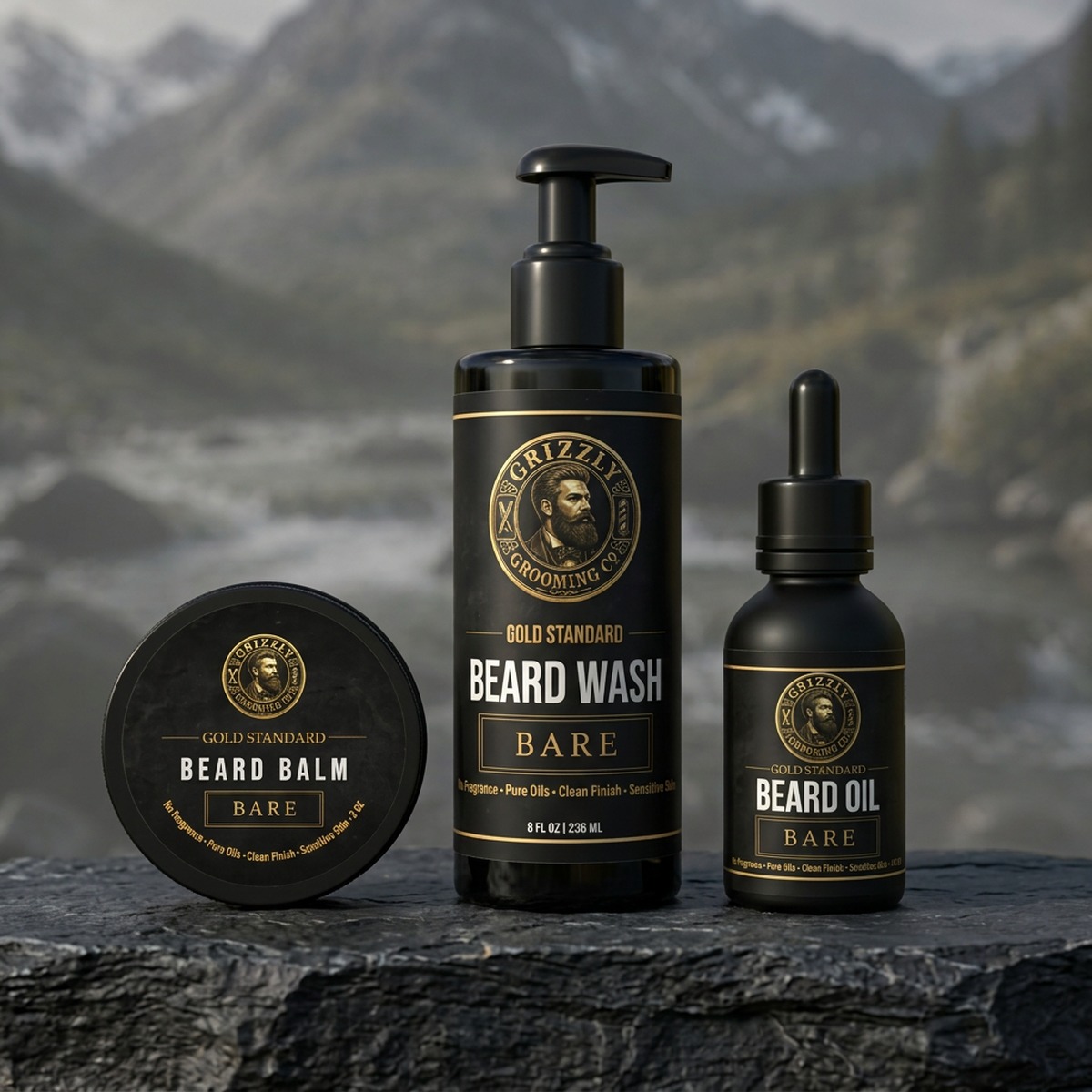
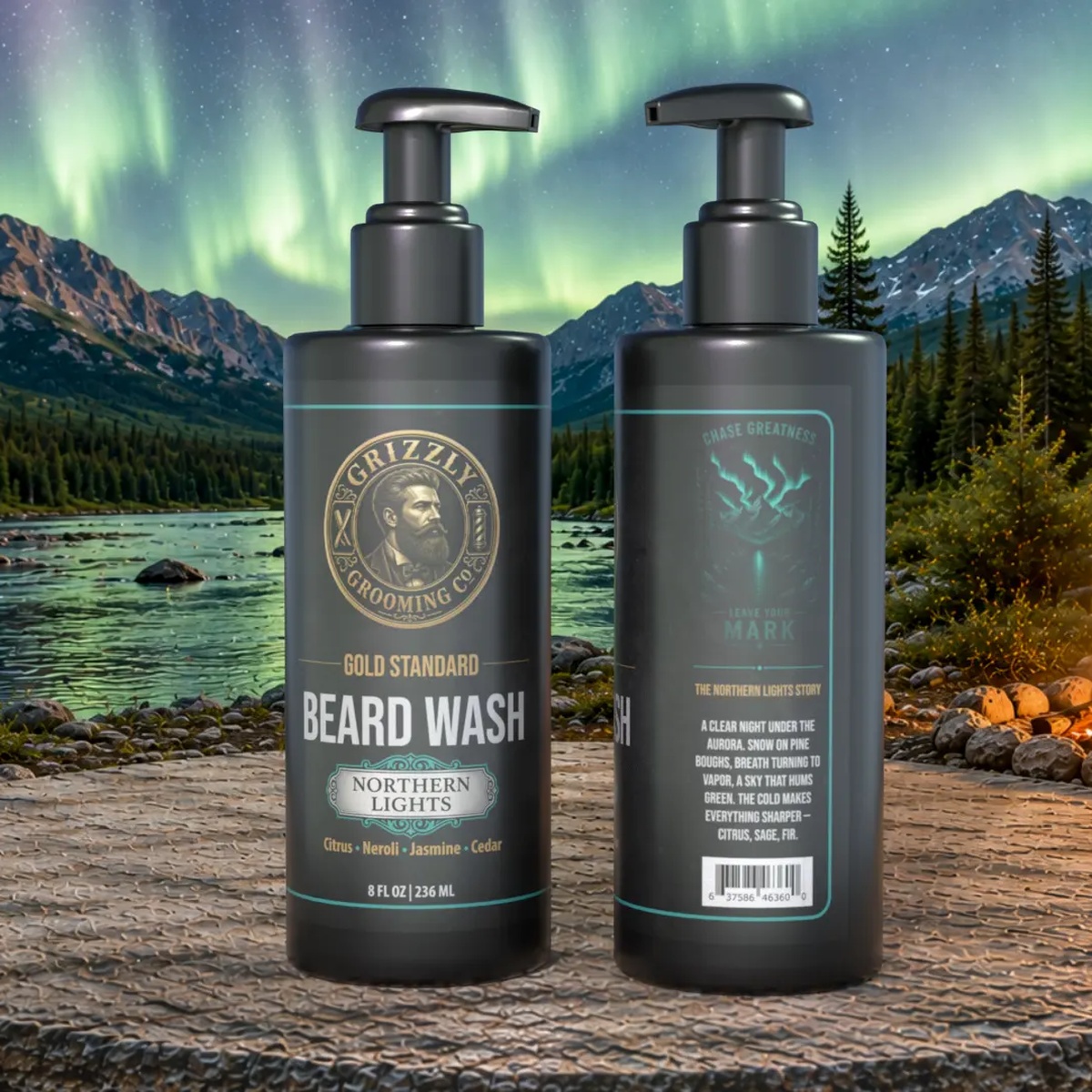
Transition to a sulfate-free beard wash. These formulas are engineered to cleanse the hair without stripping the essential moisture from the skin underneath. Use the wash no more than two to three times a week; over-washing is a common catalyst for inflammation and flaking.
Mechanical Exfoliation and Preparation
Dead skin cells naturally accumulate beneath your beard, where they become trapped and contribute to itching. Once a week, use a firm boar bristle brush to gently exfoliate the skin. The natural bristles reach through the hair to the skin's surface, lifting dead cells and distributing natural oils throughout the beard.
This process serves a dual purpose. Beyond removing debris, exfoliation increases blood flow to the surface, which encourages healthier follicle growth. Ensure the beard is dry when performing this ritual to avoid tugging or damaging the hair shafts.
The Science of Beard Oil and Butter
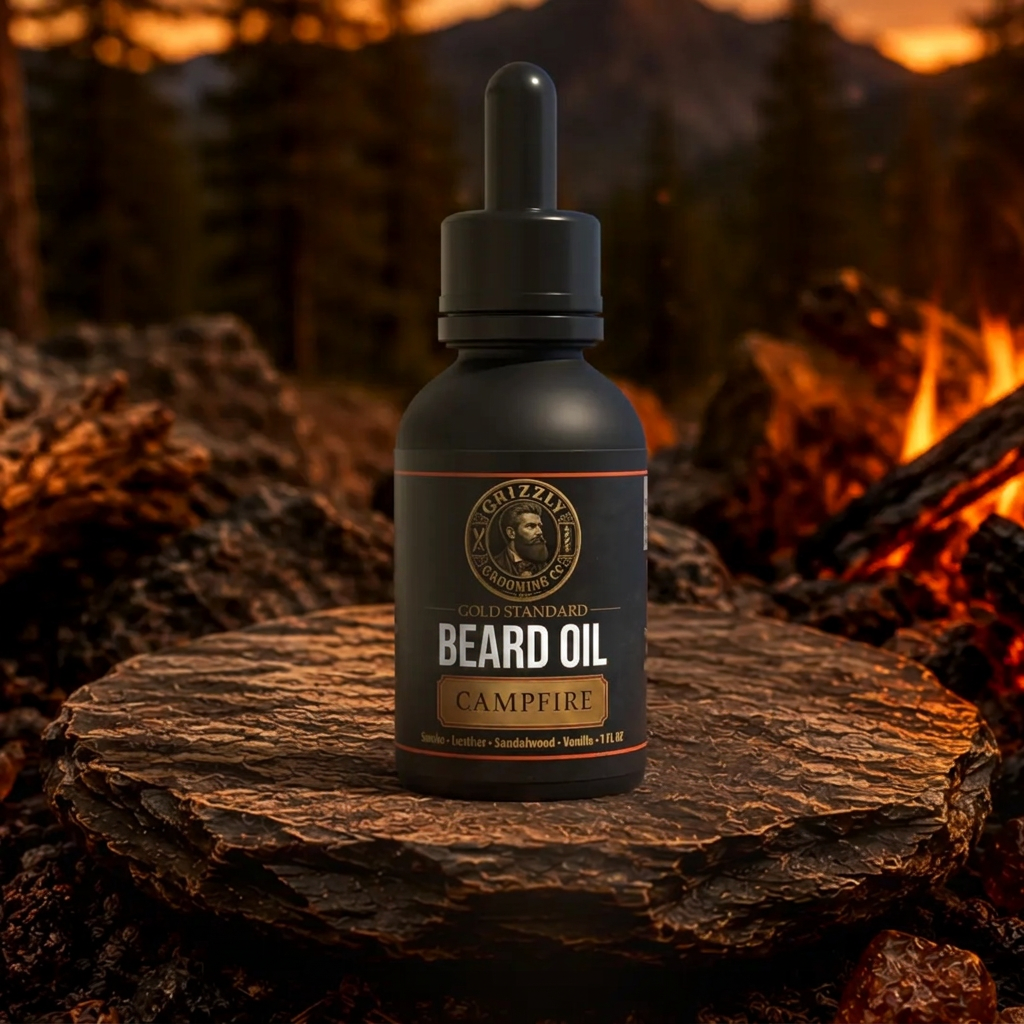
Applying beard oil is not about the hair; it is about the skin. The oil acts as a replacement for the sebum that your follicles are constantly absorbing. For best results, apply three to five drops of a high-quality oil while the skin is still slightly damp from a shower, as the open pores will absorb the nutrients more effectively.
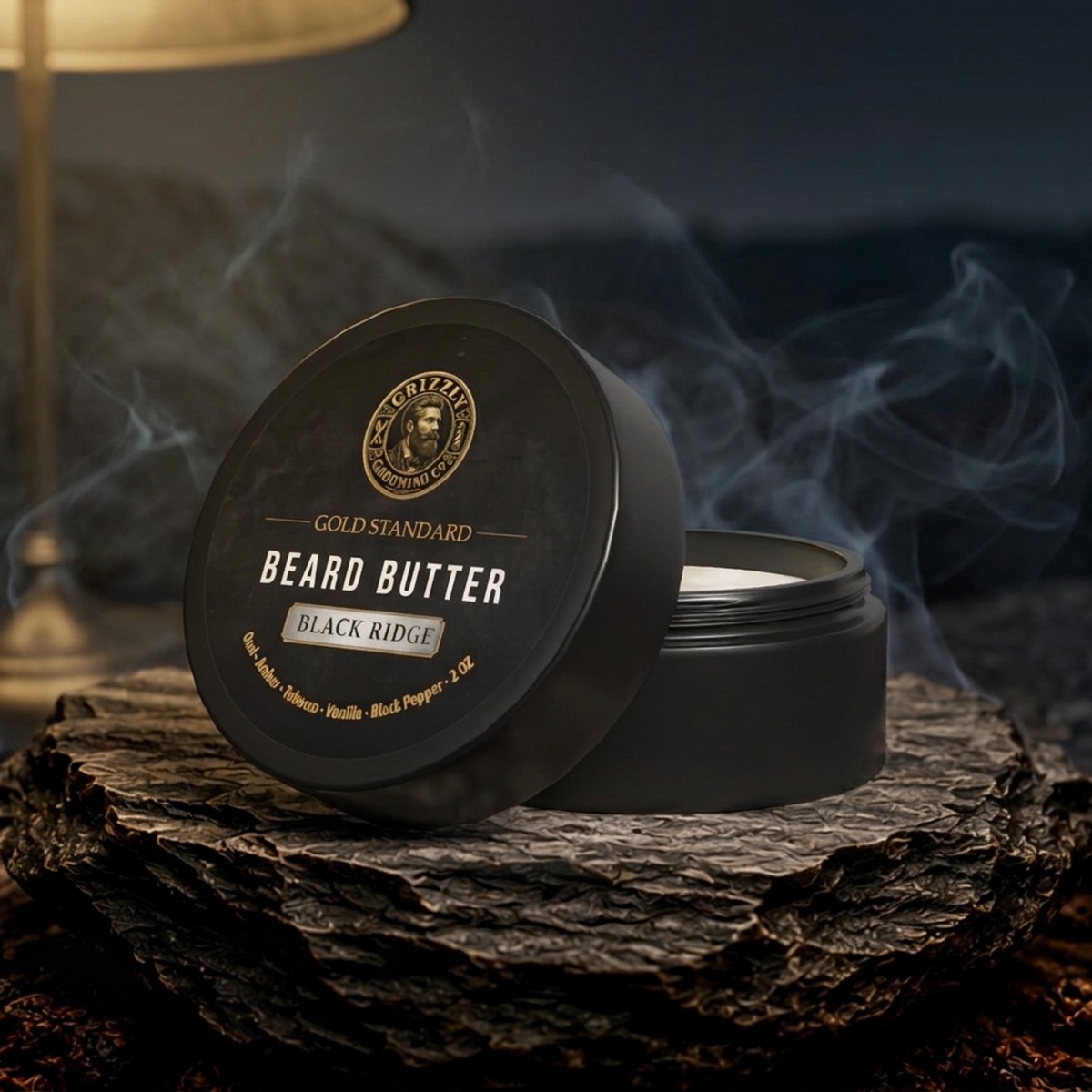
For men with persistent dryness, a beard butter should be added to the evening routine. Unlike oils which absorb quickly, a butter stays on the skin longer, providing a protective seal that prevents transepidermal water loss while you sleep. This ensures you wake up with a soft beard and a hydrated foundation.
Temperature and Environment Management
The temperature of the water you use to wash your beard significantly impacts skin health. Scorchingly hot water strips the lipid layer of the skin, leaving it vulnerable to environmental irritants. Stick to lukewarm water to maintain the integrity of the skin's moisture barrier.
Environmental factors like low humidity in winter or indoor heating also play a role. If you work in a climate-controlled office, your skin is constantly losing moisture to the air. Increasing your daily water intake and using a humidifier can provide the internal and external support your skin needs to remain resilient.
Frequently Asked Questions
How long does it take to get rid of beard flakes?
With a consistent routine of specialized beard wash and daily oil application, you should see a significant reduction in flakes within 7 to 10 days. Persistent issues beyond two weeks may require a consultation with a dermatologist to rule out fungal infections.
Can I use regular lotion on my beard skin?
Standard facial lotions are often too thick to penetrate the beard hair and reach the skin, and they frequently contain alcohols that can further dry out the follicles. A liquid beard oil is the superior medium for delivering moisture through dense facial hair.
Does a flaky beard mean my beard is dirty?
Not necessarily. In many cases, flakes are caused by excessive dryness or a reaction to harsh soaps rather than a lack of hygiene. In fact, washing too frequently with the wrong products is one of the most common causes of the condition.
Build your ritual in 60 seconds.
Answer four questions and get a custom regimen — plus a 15% bundle discount.
Start The Ritual Builder