
A Master Class in Blending Your Beard into a Sideburn Fade
The transition between your sideburns and your beard is the hallmark of a disciplined grooming routine. A seamless blend creates a structured, intentional silhouette that separates a professional look from an unkempt one.
- ›Use multiple guard lengths to create a graduated taper.
- ›Work against the grain for bulk removal and with the grain for blending.
- ›Maintain the skin under the beard with beard oil to prevent irritation.
- ›Identify the natural hinge of the jaw as your primary blending point.
- ›Finish with mustache wax or beard balm to keep flyaways from breaking the silhouette.
The Fundamentals of the Taper
A successful blend relies on the principle of graduation. You are not simply cutting hair; you are managing the density of the follicles to create a visual gradient from skin to full beard. This process typically requires at least three different guard lengths to ensure there are no harsh lines of demarcation.
Before you begin, ensure the hair is clean and dry. Residual product can cause the clipper blades to tug or skip, leading to an uneven finish. Start by clearing the canvas with a thorough wash using a dedicated beard wash to remove grit without stripping the essential sebum from your skin.
Establishing the Transition Zone
The critical blending zone exists between the top of the ear and the mid-point of the jaw. This is where the hair should transition from the short fade of your haircut into the full density of your beard. Begin with a guard that matches the longest length of your hair fade, usually a #1 or #2.
Work the clippers in a rocking motion, pulling the blade away from the skin as you move upward toward the temple. This 'flicking' technique ensures that you don't create a new, higher line that you then have to fix. It is always safer to take off too little than too much in this high-visibility area.
Managing Bulk and Density
Once the transition zone is established, you must address the bulk of the beard along the jawline. Use a larger guard, such as a #3 or #4, to smooth the area where the sideburn meets the cheek. This creates a bridge between the skin-tight fade and the length of the beard.
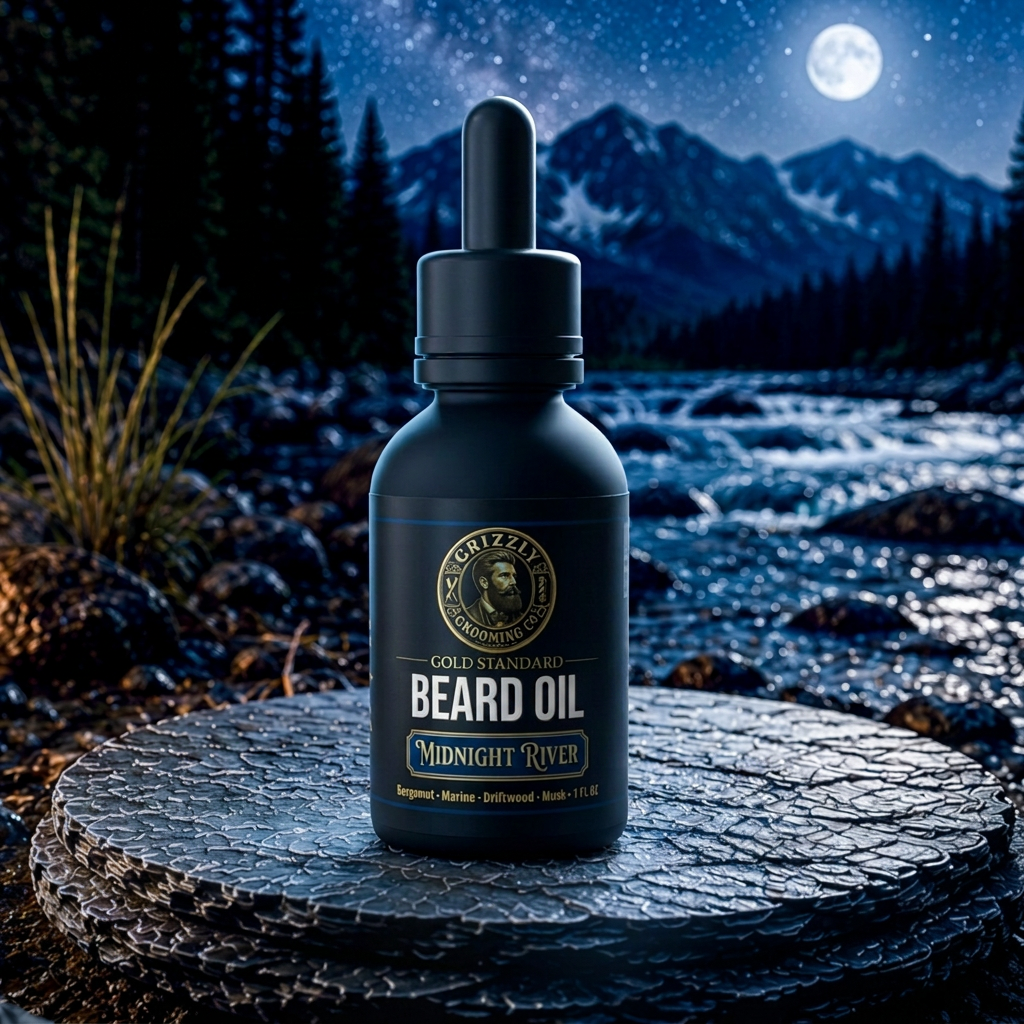
If you encounter stubborn patches or cowlicks, switch to a comb-over-clipper technique. This allows for manual control over the depth of the cut. After the bulk is managed, apply a few drops of Grizzly Gold Standard beard oil to the area. This softens the freshly cut ends and allows you to see the true shape of the blend without the interference of frizz.
Refining the Silhouette
The final step is the detail work around the ear and the cheek line. Use a trimmer to sharpen the edges, but avoid pushing the natural line too low. A natural, slightly cleaned-up cheek line always looks more sophisticated than an overly groomed, artificial curve.
To keep the blend looking sharp throughout the day, use a small amount of beard balm or mustache wax to lay down any rogue hairs in the transition area. This adds a matte finish and a level of hold that prevents the taper from looking 'fuzzy' as the day progresses. The goal is a sharp, architectural finish that lasts.
Frequently Asked Questions
How often should I touch up the blend?
A beard fade typically requires maintenance every 7 to 10 days. Because the hair in the sideburn area grows at the same rate as the hair on your head, the sharp gradient will begin to look muddy within a week and a half.
What clipper guards are best for a beginner?
Start with a #2 guard for the main transition and a #1 for the area closest to the ear. Using a 'closed' lever on your clippers provides the shortest cut, while 'opening' the lever adds a half-step of length for finer blending.
How do I fix a line that is too high?
If you accidentally cut too high into the temple, the best solution is to slightly lower the hair fade to match. Do not try to blend it further up, as this will result in an imbalanced profile; instead, focus on keeping the beard hydrated with beard butter to encourage healthy regrowth.
Build your ritual in 60 seconds.
Answer four questions and get a custom regimen — plus a 15% bundle discount.
Start The Ritual Builder