
A Guide to Selecting a Professional Grade Beard Trimmer for Longevity
Most men purchase three or four disposable trimmers before realizing that a single professional-grade investment is more economical. A quality tool does not just cut hair; it manages the health of your beard by preventing split ends caused by dull, pulling blades.
- ›Prioritize brushless or rotary motors for consistent torque and durability.
- ›Select stainless steel or ceramic blades to ensure edge retention over time.
- ›Ensure the device offers a lithium-ion battery for stable power delivery.
- ›Look for modular components that allow for easy cleaning and blade replacement.
- ›Match the trimmer's power to your beard density to prevent motor strain.
Understanding Motor Mechanics
The heart of any lasting trimmer is the motor. Most consumer-grade devices use electromagnetic motors which are prone to overheating and losing power as the battery drains. For a tool that lasts, look for a rotary or brushless motor. These provide the high torque necessary to cut through thick facial hair without snagging.
A brushless motor is particularly valuable because it reduces internal friction. Less friction means less heat, which preserves both the motor's lifespan and the integrity of the battery. If you are maintaining a dense beard, the constant speed provided by a high-torque motor is non-negotiable for an even finish.
Blade Materials and Maintenance
Blades are the primary point of failure for cheap trimmers. Stainless steel is the industry standard for its rust resistance and durability, but high-carbon steel offers a sharper edge if you are willing to oil it regularly. Modern ceramic blades are also an excellent choice as they stay cool during long grooming sessions.
Even the best blades will fail without proper care. A professional trimmer should be easy to disassemble for cleaning. After clearing out the debris with a brush, applying a drop of oil ensures the metal stays lubricated. Using Grizzly Gold Standard Beard Oil on your skin after a trim is essential, but never use beard oil to lubricate your trimmer blades; always use dedicated clipper oil.
The Importance of Power Delivery
Battery technology has advanced, yet many trimmers still use outdated NiMH cells that develop a memory and lose capacity. Always insist on a Lithium-Ion (Li-Ion) battery. These batteries provide full power until they are nearly depleted, ensuring your trimmer doesn't slow down mid-stroke and pull at your hair.
Consider the versatility of corded versus cordless operation. A 'cord/cordless' feature allows you to plug the device in if the battery dies, which is a failsafe that ensures you are never caught with half a groomed beard. For those who travel, a trimmer with a universal voltage adapter is a practical necessity for long-term utility.
Build Quality and Ergonomics
The chassis of the trimmer should feel substantial. While weight doesn't always equal quality, a metal housing generally protects the internal components better than thin plastic. Professional barbers prefer a balanced weight that allows for precision when detailing around the mustache and jawline.
Avoid trimmers with overly complex 'all-in-one' attachments that feel flimsy. A few high-quality, rigid guide combs are superior to a dozen thin plastic guards that flex during use. If a guard flexes, your length will be uneven, forcing you to go shorter than intended to fix the mistake.
Integrating Tools into Your Ritual
A trimmer is only one part of the equation. To extend the life of your equipment and your beard's health, always trim on a clean, dry beard. Washing with a dedicated beard wash removes grit and salts that can dull your blades prematurely. Wet hair is also more difficult for the motor to process.
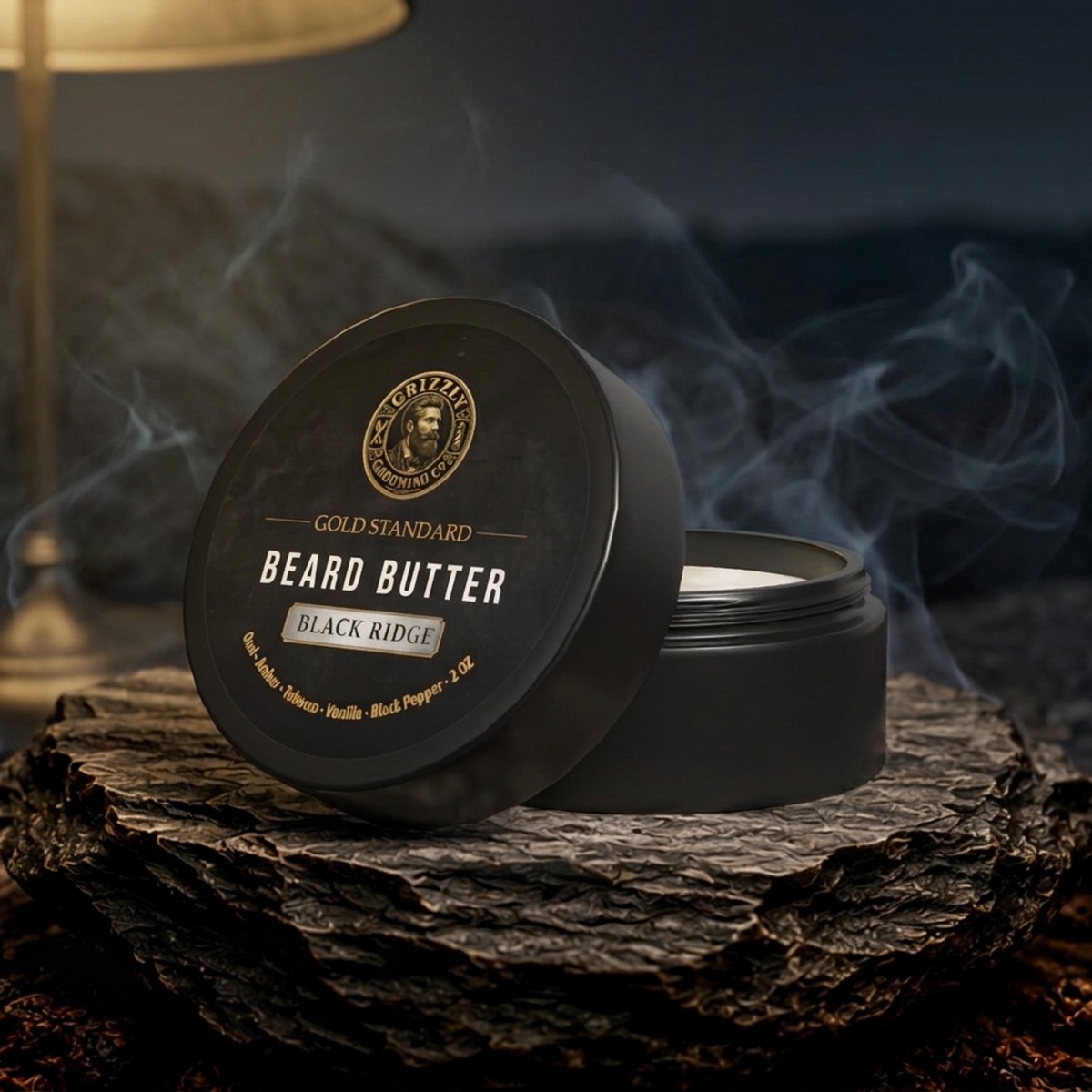
Post-trim care is where the health of the follicle is maintained. After using your trimmer, apply a light layer of beard balm or beard butter to soothe the skin and hydrate the freshly cut ends. This prevents the irritation that often leads men to shave off their progress entirely.
Frequently Asked Questions
How often should I oil my trimmer blades?
For personal home use, oiling your blades every two to three uses is sufficient. Simply apply one drop to each corner of the blade and one in the center, then run the motor for ten seconds to distribute it.
Why does my trimmer pull my hair instead of cutting it?
This is usually caused by either dull blades or a motor that lacks sufficient torque for your hair density. If the blades are clean and oiled, the motor likely cannot maintain the speed required to slice through the hair efficiently.
Can I use a hair clipper on my beard?
While hair clippers can take down bulk, they are often too large for precise beard shaping. A dedicated beard trimmer or 't-outliner' is designed with a smaller blade profile to navigate the contours of the face and neck.
Build your ritual in 60 seconds.
Answer four questions and get a custom regimen — plus a 15% bundle discount.
Start The Ritual Builder