A Guide to Repairing Beard Split Ends and Preventing Future Fraying
A split end is more than a visual annoyance; it is a structural failure of the hair shaft that leads to tangles and coarseness. Understanding how to manage these fractures is the difference between a ragged growth and a refined beard.
- ›Identify split ends by looking for frayed tips or white spots at the end of the hair.
- ›The only permanent solution for existing split ends is a precise trim with high-quality shears.
- ›Hydration through daily application of beard oil is non-negotiable for prevention.
- ›Avoid high-heat tools and harsh chemical cleansers that strip natural sebum.
- ›Use a boar hair brush to distribute natural oils and minimize mechanical damage.
The Anatomy of a Split Beard Hair
In the barbering world, split ends are known as trichoptilosis. This occurs when the protective outer layer of the hair, the cuticle, is worn away, leaving the inner cortex exposed and vulnerable to fraying.
Unlike the hair on your head, beard hair is androgenic and naturally coarser, making it prone to dryness. When the hair lacks moisture, the protein structures weaken, causing the tip to split into two or more strands.
Identifying them requires a close look in a well-lit mirror. Look for Y-shaped forks at the ends of hairs or small white nodules, which indicate where the hair is beginning to fracture.
The Precision Trim Method
There is no product in existence that can truly fuse a split hair back together permanently. The most effective treatment is the removal of the damaged section to prevent the split from traveling further down the shaft.
Use professional-grade stainless steel shears rather than standard kitchen scissors or electric trimmers. Electric blades can often cause blunt-force trauma to the hair, leading to more splits.
Comb your beard outward and hunt for individual damaged hairs. Snip approximately one-quarter inch above the split to ensure you are cutting into healthy, structurally sound hair.
Reinforcing the Lipid Barrier
Prevention begins with replacing the moisture that environmental factors and daily life strip away. Your skin produces a limited amount of sebum, which rarely reaches the ends of a long beard.
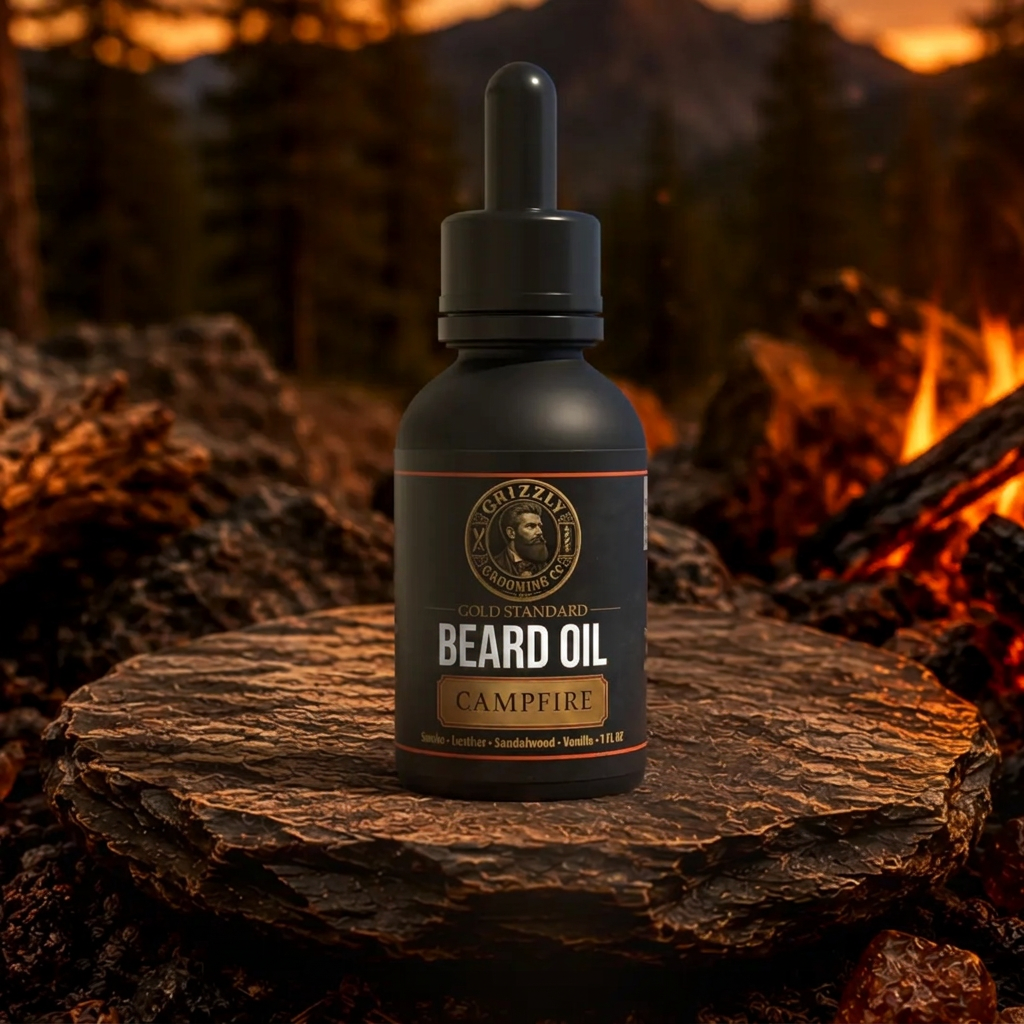
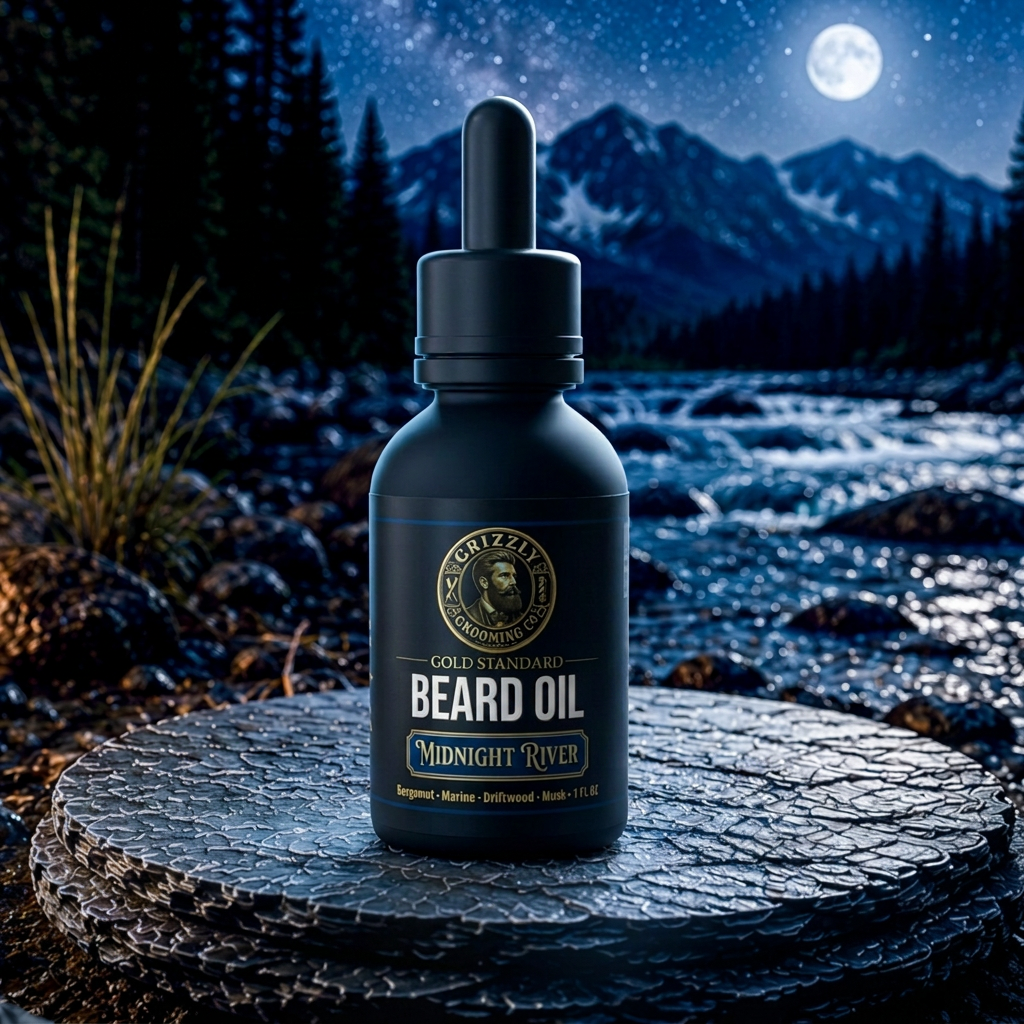
A high-quality beard oil, like those in the Grizzly Gold Standard line, acts as a synthetic sebum. By coating the hair shaft, it seals the cuticle and prevents the evaporation of internal moisture.
Apply oil daily to a slightly damp beard. The water helps the oil spread evenly, ensuring every strand from root to tip is protected against the friction that causes splitting.
Washing and Mechanical Stress
Over-washing is a primary culprit for brittle hair. Standard shampoos contain sulfates designed for the scalp, which are far too aggressive for facial hair and the sensitive skin beneath.
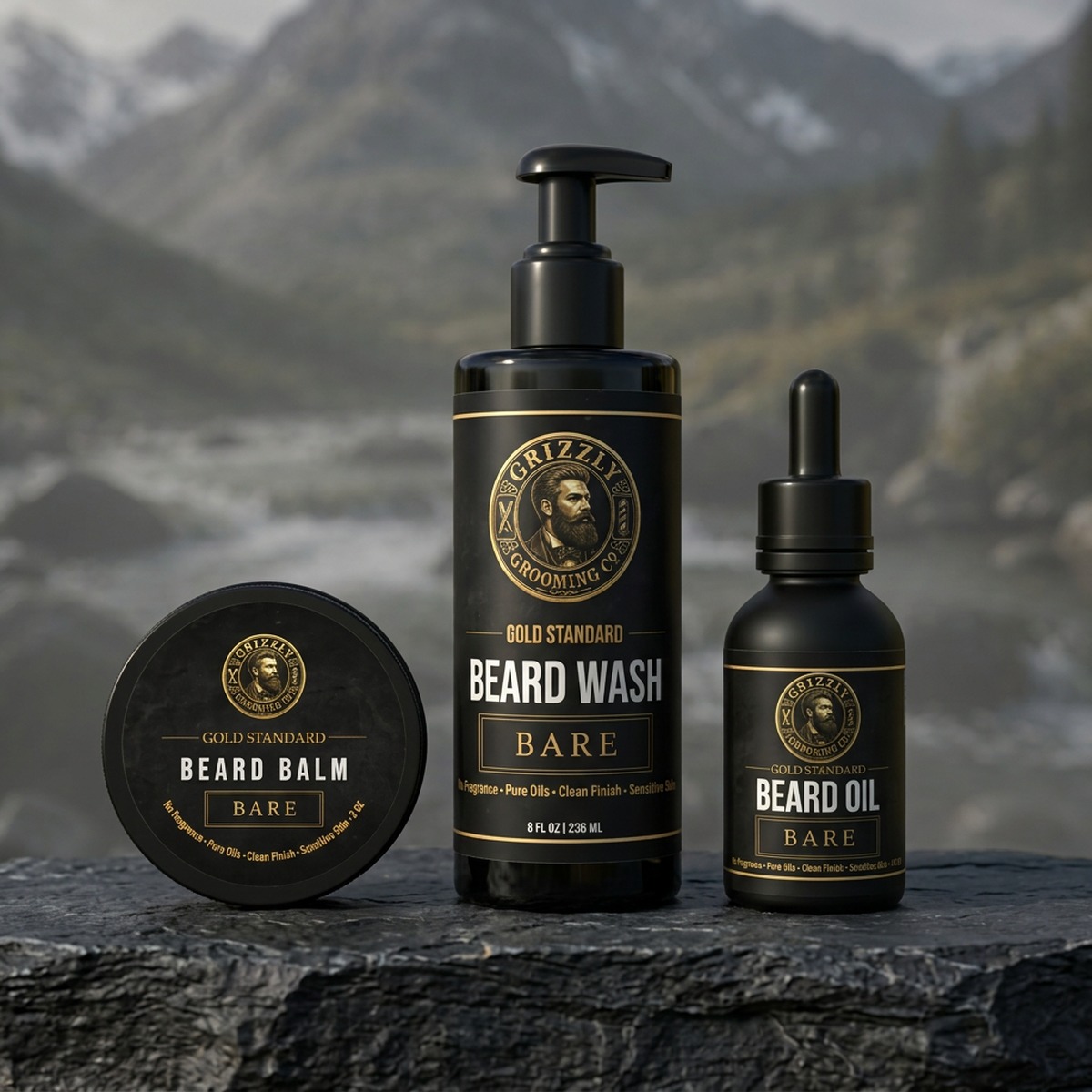
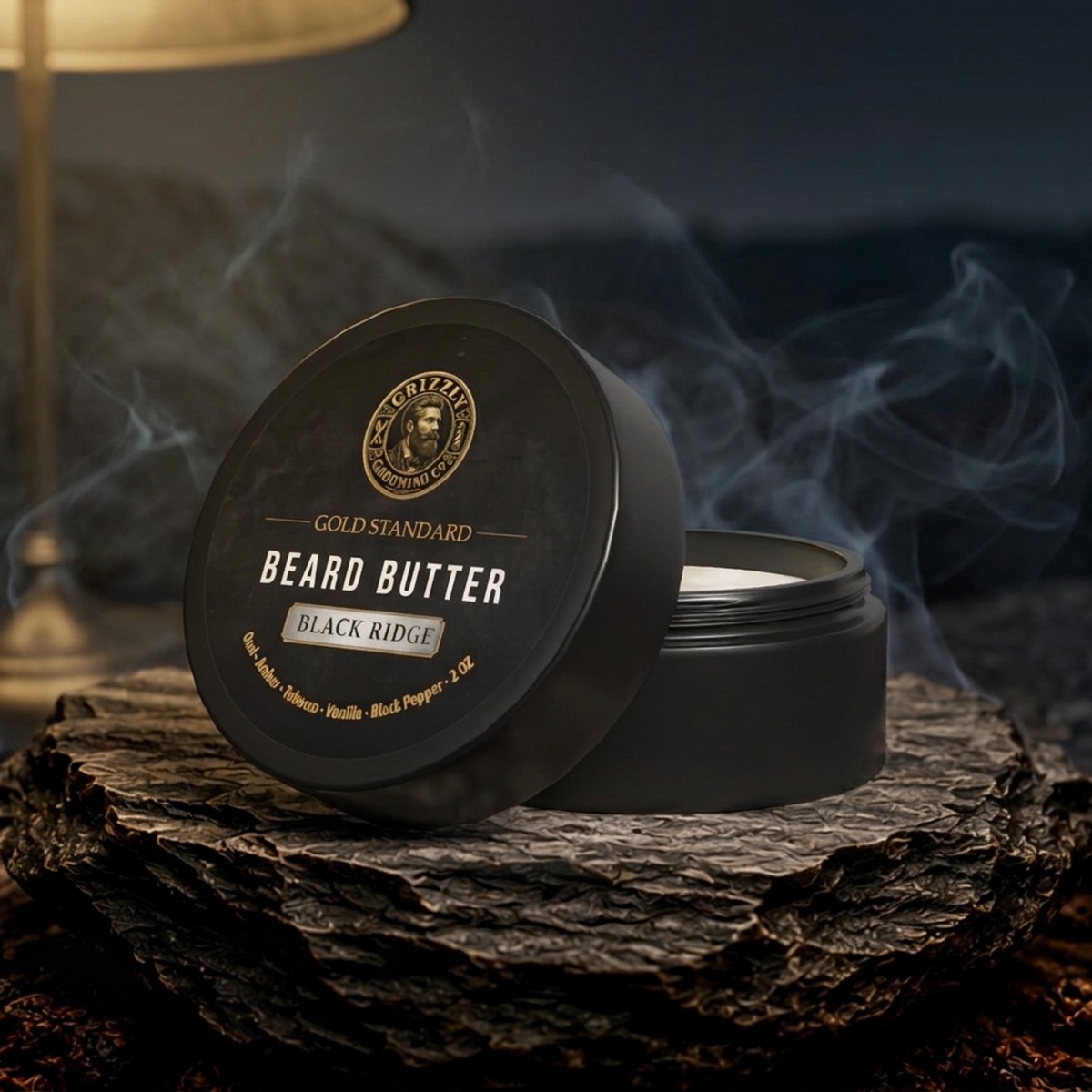
Switch to a dedicated beard wash that utilizes gentle surfactants. Following up with a beard conditioner or beard butter provides the deep nourishment required to keep the hair elastic and resilient.
Be mindful of how you dry your beard. Vigorous towel drying creates immense friction. Instead, pat the beard dry with a microfiber towel or an old cotton shirt to maintain the integrity of the hair cuticle.
Tool Selection and Maintenance
The tools you use daily impact the longevity of your beard hair. Cheap plastic combs often have microscopic jagged edges from the molding process that snag and tear the hair.
Invest in a hand-polished cellulose acetate comb or a natural boar hair brush. These tools glide through the beard without causing the micro-tears that eventually become full-blown split ends.
If you use a blow dryer, always use the cool setting. Excessive heat denatures the proteins in the hair, making it brittle and significantly increasing the likelihood of ends splitting.
Frequently Asked Questions
Can I use beard balm to fix split ends?
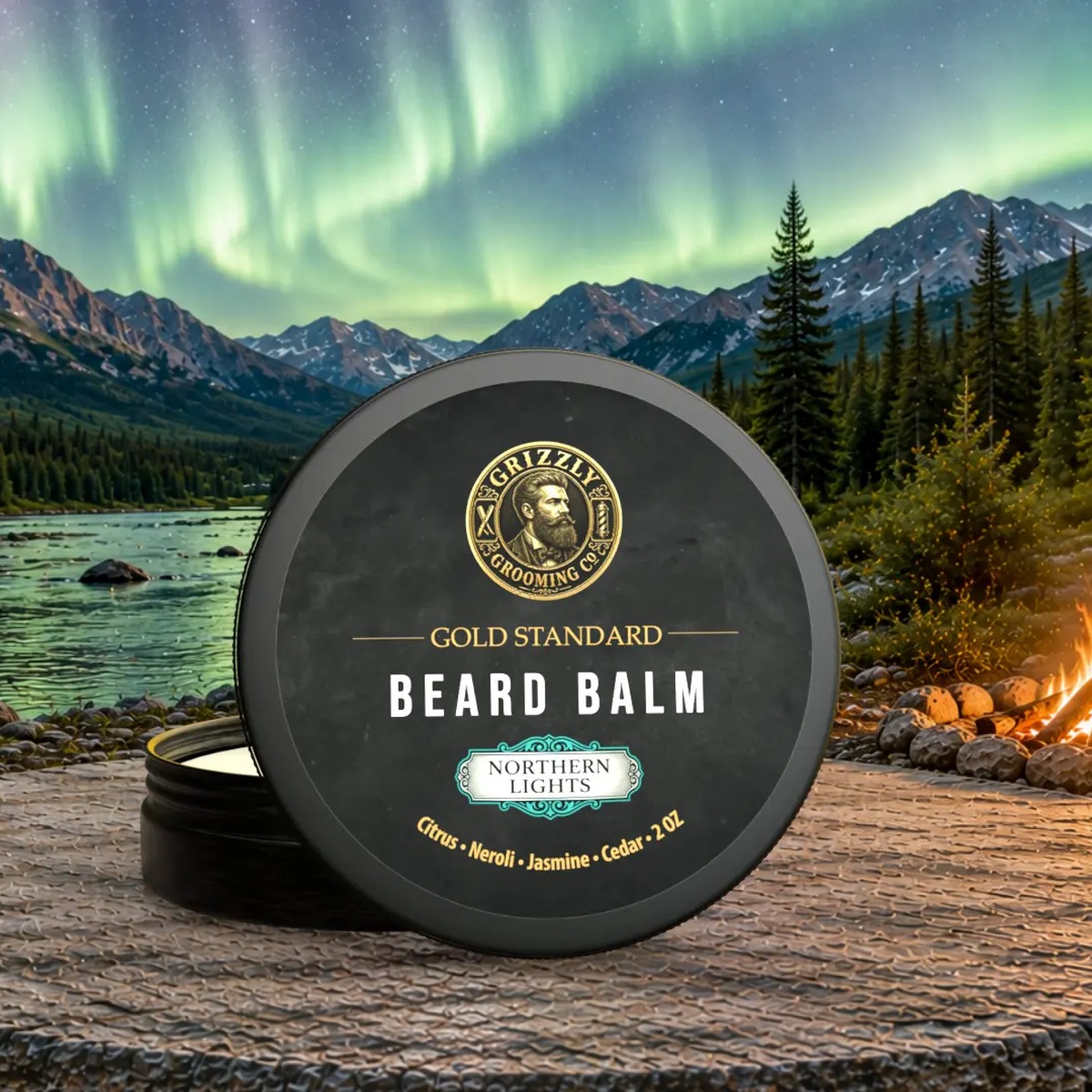
Beard balm contains wax that can temporarily smooth down a split end and hold it together, but it does not repair the damage. It is a styling aid that provides protection, but the damaged hair will eventually need to be trimmed.
How often should I trim to avoid split ends?
A light 'dusting' or search-and-destroy trim every 4 to 6 weeks is usually sufficient. This frequency allows you to remove damaged tips before they compromise the rest of the hair strand.
Does beard butter help more than oil for splits?
Beard butter is excellent for deep conditioning due to its high shea and cocoa butter content. While oil is best for daily protection, butter is superior for overnight hydration to soften brittle ends.
Build your ritual in 60 seconds.
Answer four questions and get a custom regimen — plus a 15% bundle discount.
Start The Ritual Builder