A Guide to Repairing Beard Split Ends and Preventing Future Damage
Split ends are more than a visual nuisance; they are a structural failure of the hair shaft that indicates deep-seated dehydration. To restore a weathered beard, one must look beyond temporary fixes and address the foundational health of the hair cuticle.
- ›Trim split ends individually with professional-grade shears.
- ›Restore lost lipids daily using a nutrient-dense beard oil.
- ›Lower the heat settings on blow dryers and straightening brushes.
- ›Switch to a sulfate-free beard wash to preserve natural sebum.
- ›Seal in moisture overnight with a dedicated beard butter.
The Mechanics of a Split End
A split end, scientifically known as trichoptilosis, occurs when the protective outer layer of the hair, the cuticle, is worn away. This leaves the inner cortex exposed, causing the fiber to unravel like a frayed rope. Once this process begins, the split can travel upward toward the follicle, compromising the entire hair strand.
The primary catalysts for this damage include harsh chemical detergents, excessive heat styling, and environmental friction. When the hair loses its internal moisture, it becomes brittle and prone to snapping under the slightest tension from a comb or brush.
The Surgical Approach to Trimming
There is no chemical product that can permanently fuse a split end back together. The only definitive cure is a precise trim. Use high-carbon stainless steel shears rather than standard kitchen scissors, as dull blades will often crush the hair and create new splits immediately after the cut.
Perform a 'search and destroy' mission by examining your beard under bright, natural light. Snip the damaged hair approximately one-quarter inch above the split. This ensures you are cutting into healthy, structurally sound hair rather than leaving a weakened tip behind.
Hydration as a Preventative Shield
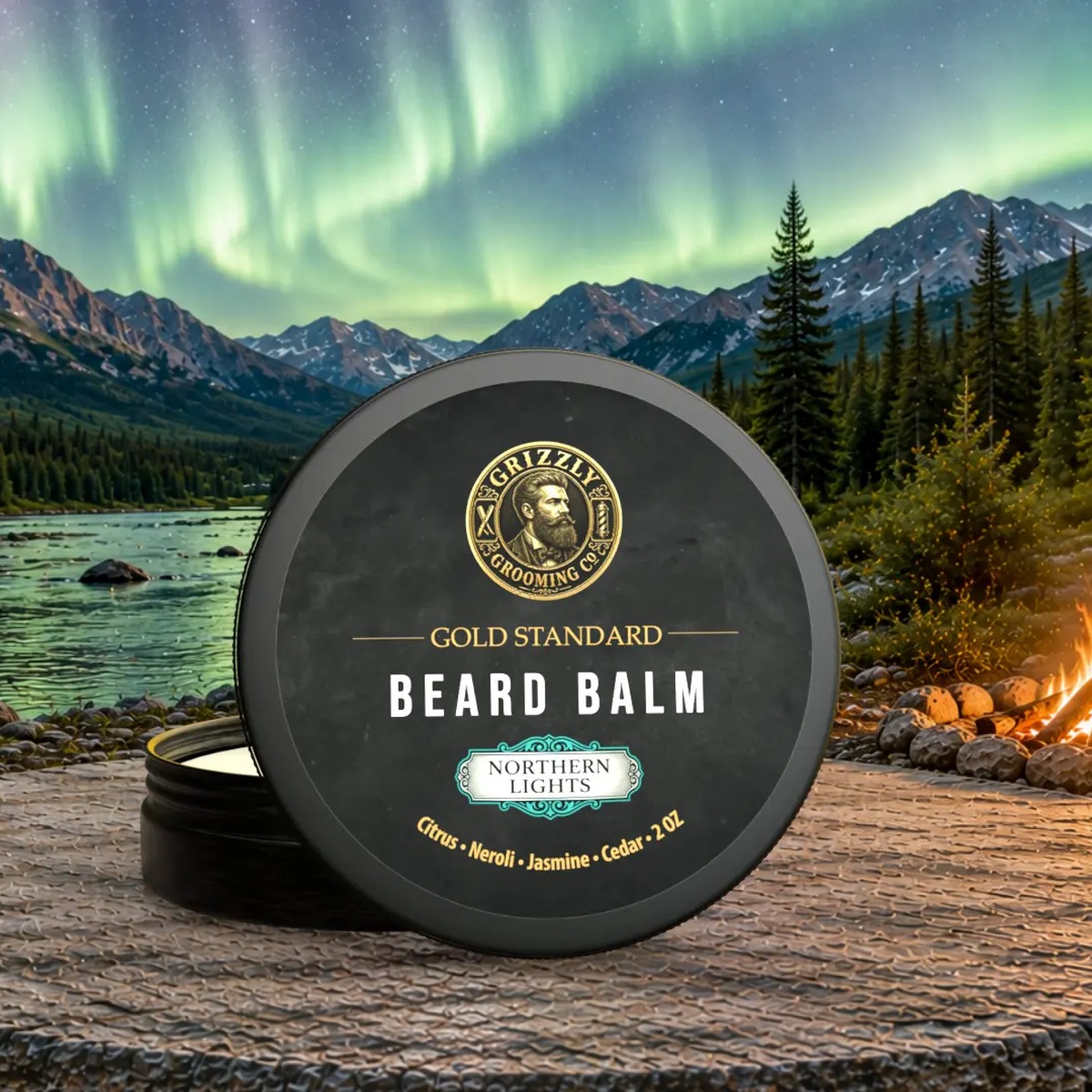
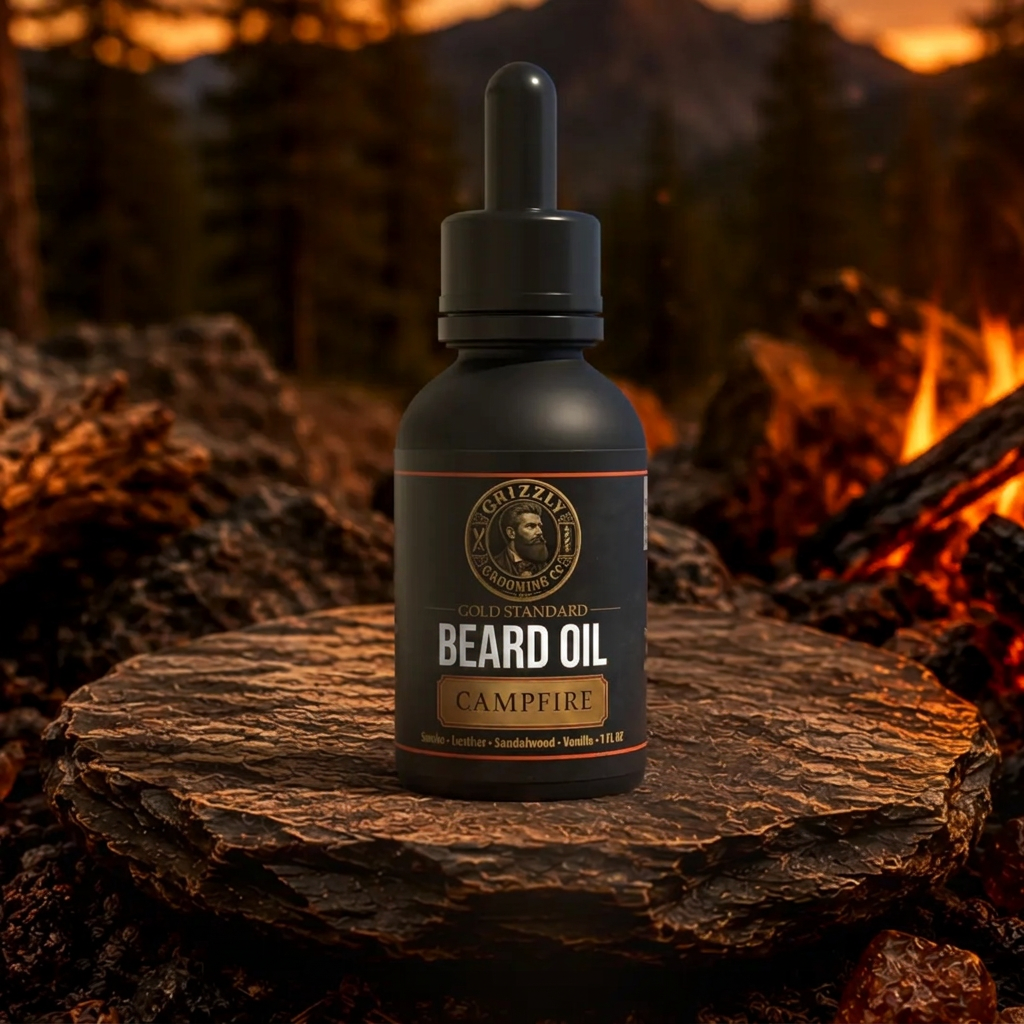
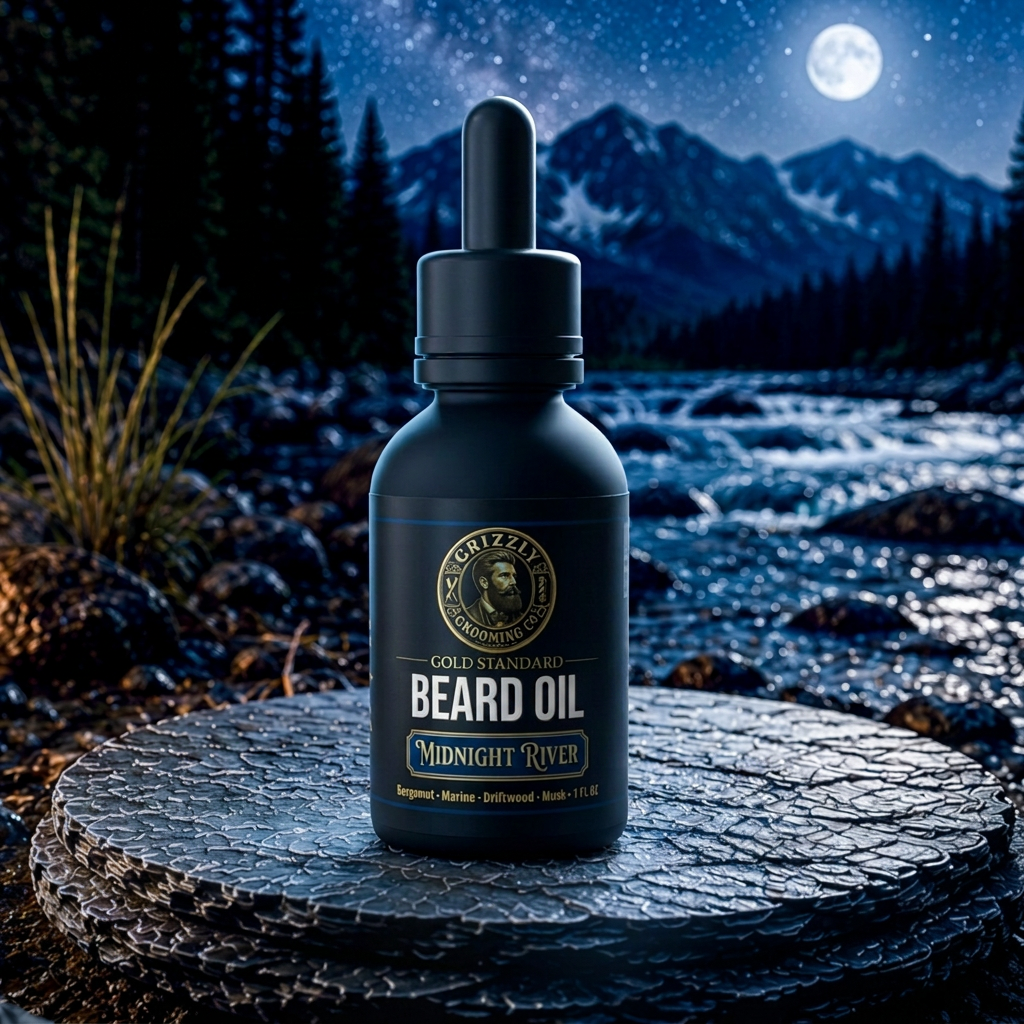
Preventing the return of split ends requires a consistent ritual of lipid replacement. Your skin produce natural sebum, but it rarely reaches the tips of a long beard. Applying Grizzly Gold Standard beard oil daily mimics this natural protection, coating the hair in a breathable barrier that prevents moisture loss.
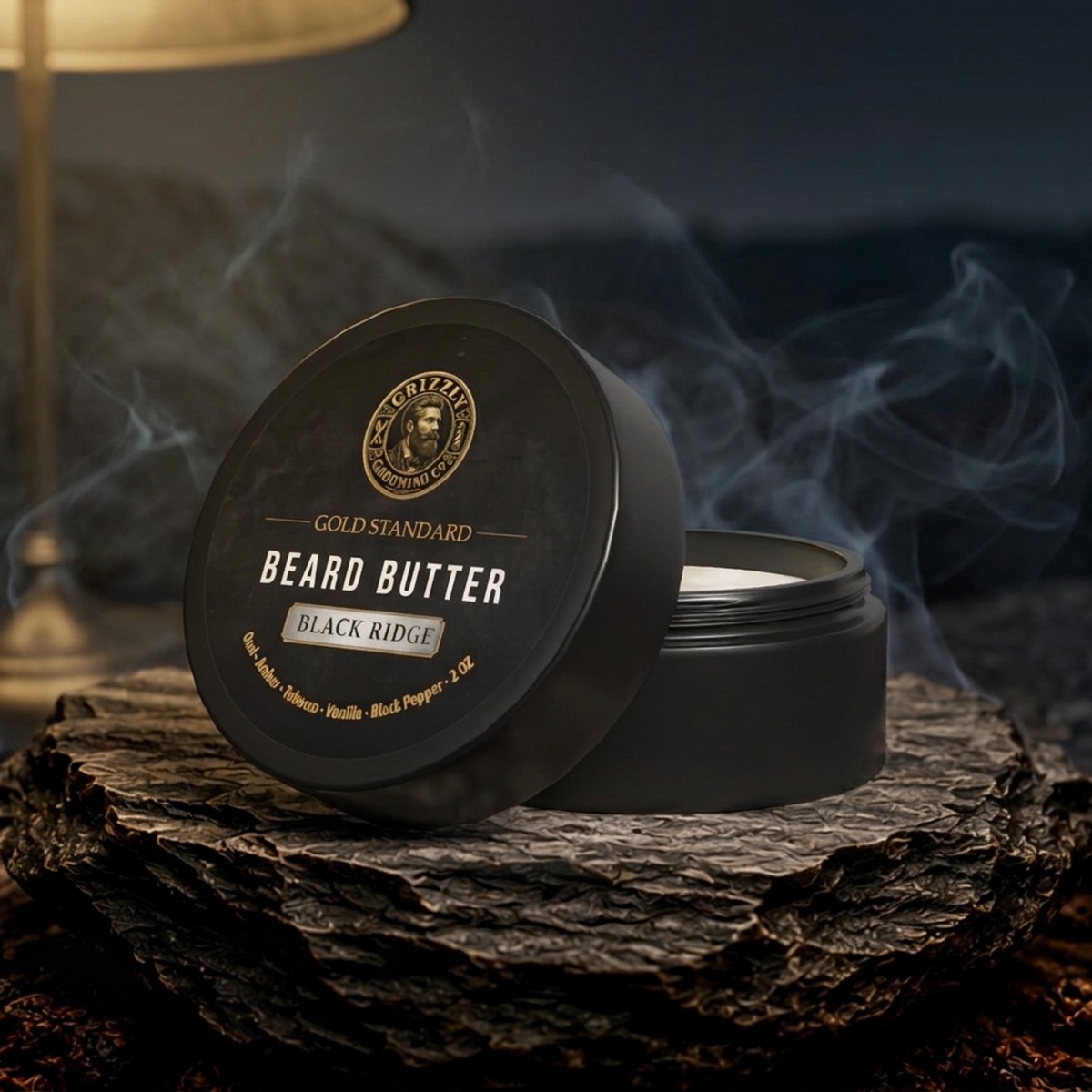
For even deeper resilience, integrate a beard butter into your routine before sleep. Unlike wax-heavy balms, a butter is formulated to penetrate the hair shaft over several hours, providing the deep-tissue hydration necessary to keep the hair flexible and resistant to breakage.
Optimizing Your Cleaning Ritual
Many men inadvertently damage their beards by using aggressive scalp shampoos. These products are designed to strip heavy oils from the scalp and are far too harsh for facial hair. Switch to a dedicated beard wash that utilizes mild surfactants to cleanse without compromising the hair's integrity.
Limit washing to two or three times per week unless your environment is particularly grimy. Constant saturation and drying cycles can cause the hair fiber to expand and contract rapidly, a process called hygral fatigue, which eventually weakens the cuticle and leads to splitting.
The Role of Temperature and Friction
High heat is the fastest way to denature the proteins in your beard. If you must use a blow dryer, keep it on the cool or medium setting and maintain a distance of at least six inches. Constant exposure to temperatures above 300 degrees Fahrenheit will lead to irreversible structural damage.
Be mindful of mechanical friction as well. Vigorous towel drying and cheap plastic combs with mold lines act as micro-saws against the hair. Use a microfiber towel to pat the beard dry and invest in a saw-cut acetate comb or a boar hair brush to distribute oils without snagging.
Frequently Asked Questions
Can I use hair conditioner on my beard to fix splits?
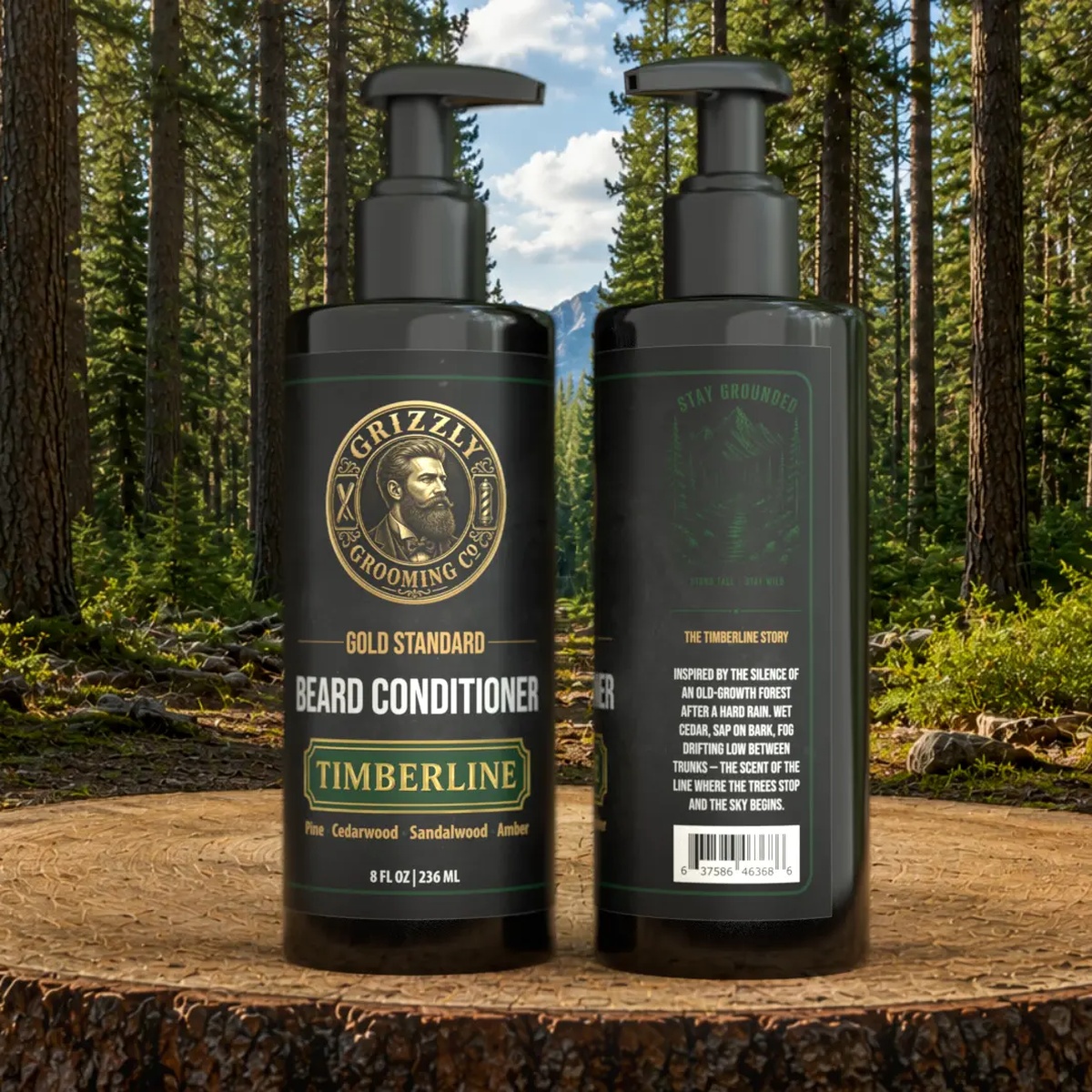
While hair conditioner provides temporary slip, it often contains silicones that mask damage rather than fixing it. A dedicated beard conditioner or beard oil is more effective at mimicking the natural oils your facial skin requires for long-term health.
How often should I trim my beard to avoid split ends?
A light maintenance trim every 4 to 6 weeks is usually sufficient. This frequency allows you to remove weathered ends before they have the chance to split and migrate further up the hair shaft.
Does a split end stop my beard from growing?
It does not stop the follicle from producing new hair, but it may make it seem like growth has stalled. If the ends are constantly breaking off at the same rate the hair grows, you will never gain visible length.
Build your ritual in 60 seconds.
Answer four questions and get a custom regimen — plus a 15% bundle discount.
Start The Ritual Builder