
A Barber's Guide to Trimming Your Beard Neckline with Precision
A poorly placed neckline can undermine even the most well-groomed beard, making it look unkempt or disproportionate to your face. Mastering this boundary is a fundamental skill that separates the amateur from the man who understands his craft. By following a few technical landmarks, you can achieve a professional finish at home.
- ›Identify your neckline by placing two fingers above the Adam's apple.
- ›Follow a natural U-shape curve from earlobe to earlobe.
- ›Always trim with a dry beard to see the true length and shape.
- ›Use a high-quality beard oil afterward to soothe the skin and reduce irritation.
- ›Shave downward with the grain to prevent ingrown hairs and redness.
Locating the Natural Line
The most common mistake men make is trimming the neckline too high, often following the jawline itself. This creates an unnatural look that makes the face appear larger and the beard look like it is retreating. Instead, find the point approximately two fingers above your Adam's apple; this is the lowest point of your beard.
From this central point, visualize a curved line that travels up toward the back of your ears. This 'U' shape ensures that the beard provides a full frame for your face and maintains a masculine structure. Mapping this out before you touch the trimmer is the key to consistency.
Preparation and Tools
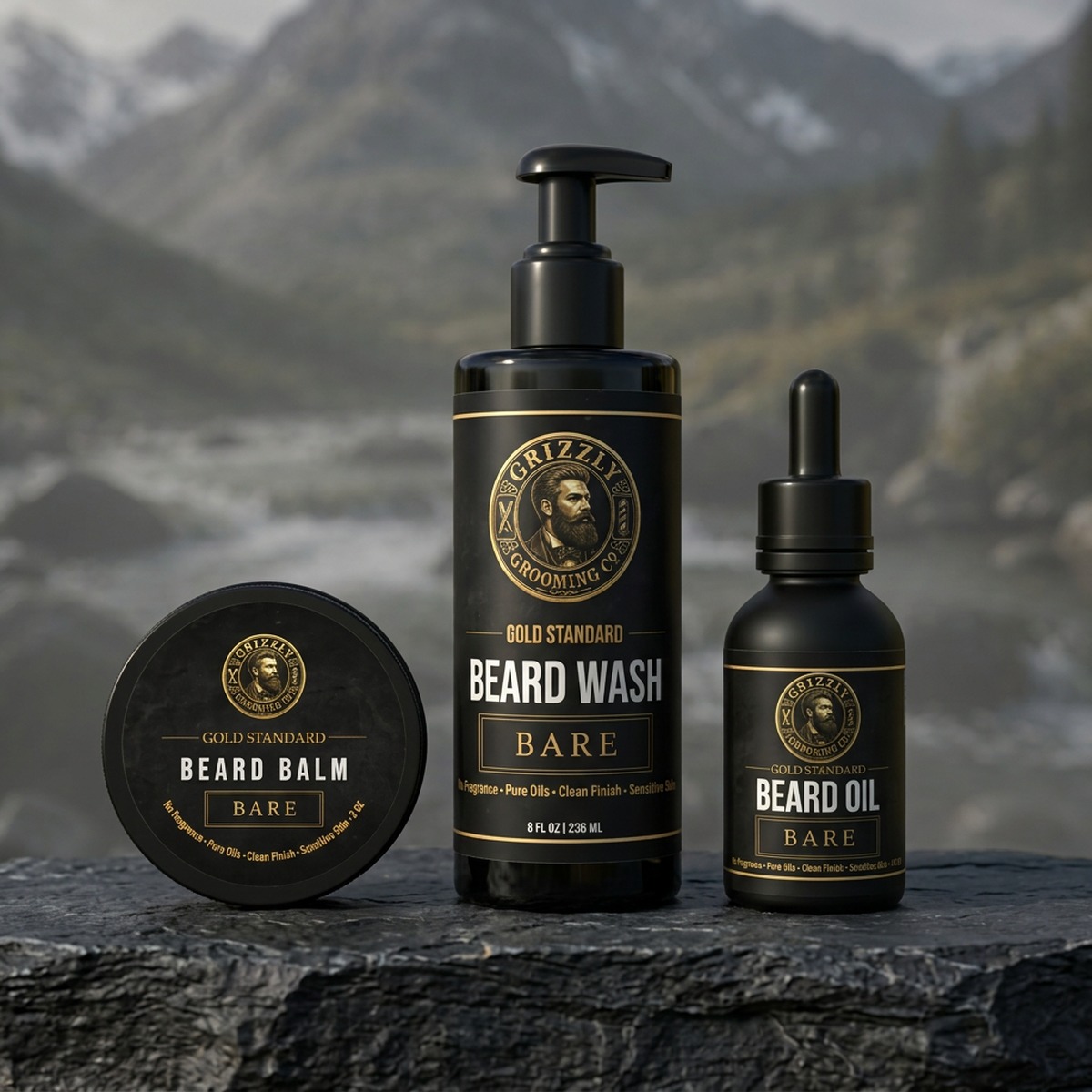
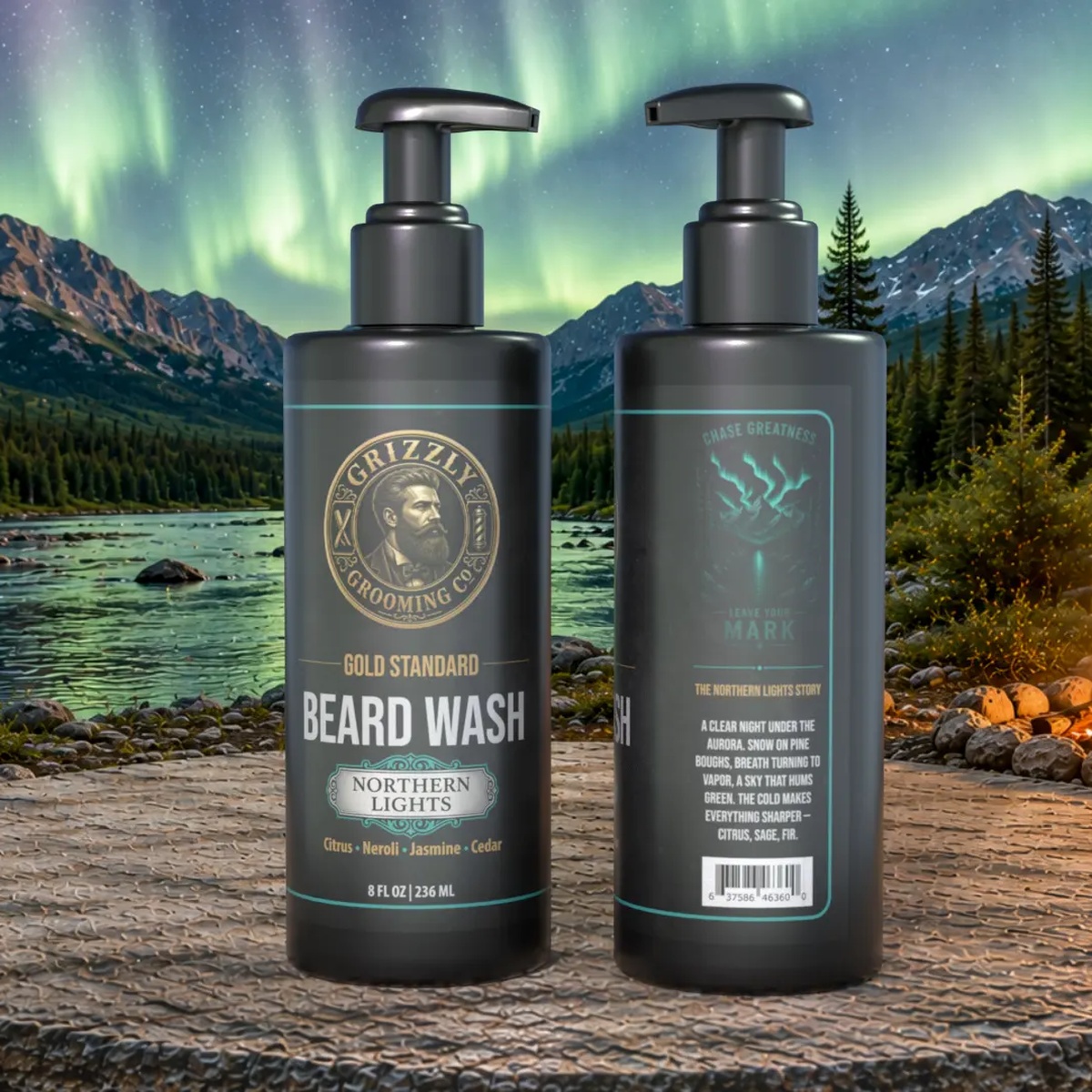
Never trim a wet beard, as hair relaxes and stretches when damp, leading to an uneven line once it dries. Start with a clean, dry beard that has been washed with a dedicated beard wash to remove debris without stripping natural oils. This ensures the hairs sit in their natural growth pattern.
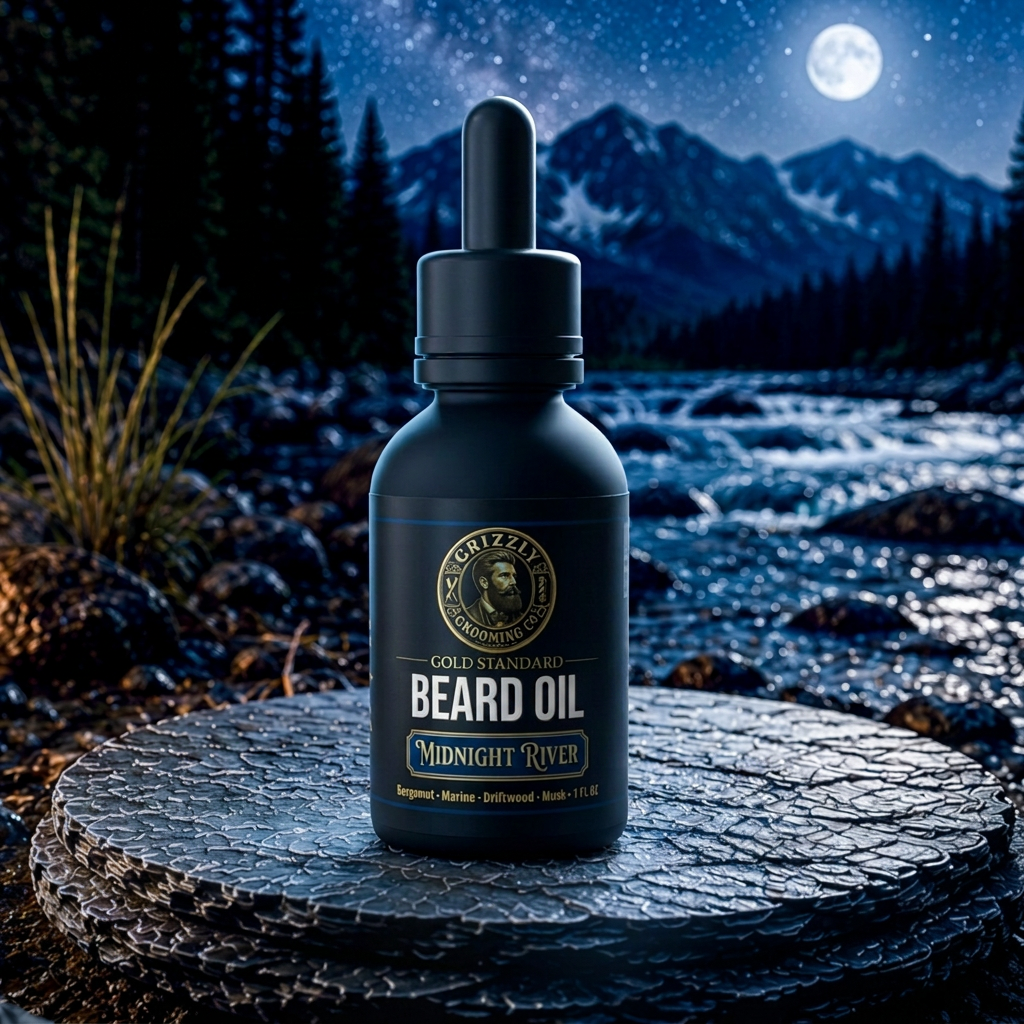
Ensure your trimmer blades are sharp and clean. If you are aiming for a crisp edge, use a dedicated T-blade trimmer or a safety razor. Before you begin, apply a few drops of Grizzly Gold Standard beard oil to the area to soften the whiskers, making them easier to cut and reducing the risk of tugging.
The Trimming Technique
Start at the center of your neck above the Adam's apple and work your way outward toward one ear, then return to the center and work toward the other. This symmetrical approach prevents one side from ending up higher than the other. Use short, controlled strokes rather than long, sweeping motions.
If you are unsure of the curve, tilt your head down to create a natural fold in the neck; the line generally follows that fold. For those seeking a softer look, use a guard on your trimmer to taper the hair from the skin up into the bulk of the beard, creating a subtle gradient rather than a hard line.
Post-Trim Maintenance
Once the line is established, the skin on the neck is often sensitized. Rinse the area with cold water to close the pores and pat dry with a clean towel. Avoid rubbing, which can cause inflammation. Apply a soothing balm or a scent-neutral deodorant if you find your collar causes friction against the fresh shave.
To maintain the shape, you should touch up the neckline every two to three days. This prevents the 'shadow' from blurring the line you have worked hard to establish. Consistent maintenance is easier than redefining the line from scratch every two weeks.
Frequently Asked Questions
How do I know if my neckline is too high?
If the hair does not cover the underside of your jaw when you look straight ahead, the line is likely too high. A proper neckline should sit just above the Adam's apple to provide a full, structured look.
Should I use shaving cream for the neckline?
A clear shaving gel or a light application of beard oil is often better than a thick foam. This allows you to see exactly where the blade is landing, ensuring you do not accidentally cut into the beard line.
What if I accidentally trim one side higher than the other?
Do not try to match the other side immediately, as this often leads to a 'chase' where the beard becomes too short. Let it grow for three days and then redefine the line at the correct height.
Build your ritual in 60 seconds.
Answer four questions and get a custom regimen — plus a 15% bundle discount.
Start The Ritual Builder