A Barber-Grade Guide to Shaving Sensitive Skin Without Irritation
The difference between a painful morning and a clean finish lies in the preparation of the follicle and the precision of the blade. Sensitive skin is not a disadvantage; it is simply a skin type that requires a more disciplined approach to the ritual of shaving.
- ›Map your beard grain to avoid counter-directional tugging.
- ›Heat the skin for at least two minutes prior to applying lather.
- ›Use a high-lubricity barrier to reduce blade friction.
- ›Replace blades every three to five shaves to ensure sharpness.
- ›Address post-shave sensitivity with immediate cooling and hydration.
The Critical Role of Thermal Preparation
A nick often occurs because the blade meets resistance from a stiff hair follicle. To avoid this, you must soften the keratin. Applying a hot towel for 120 seconds or shaving immediately after a warm shower causes the cuticle to swell and soften by up to 30 percent.
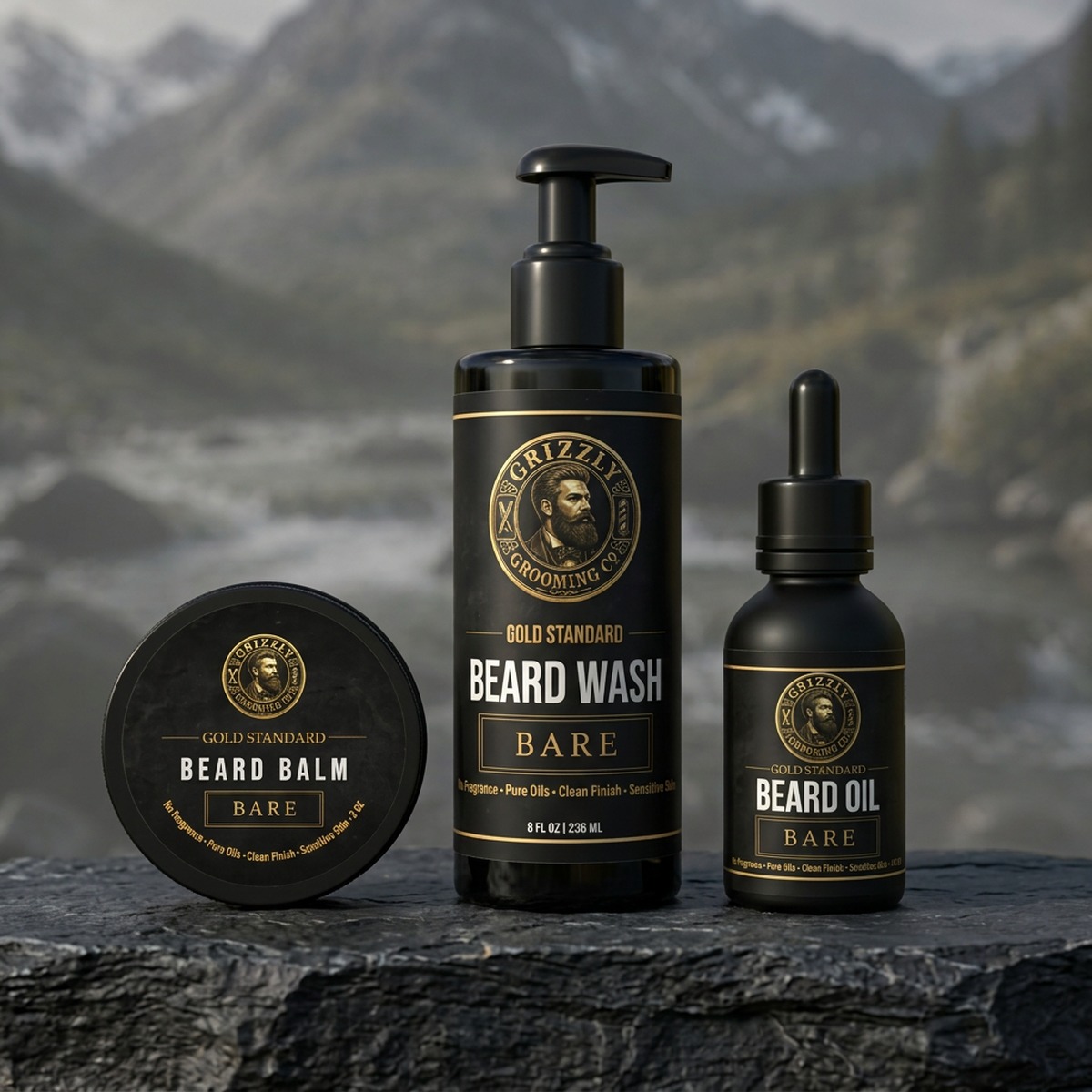
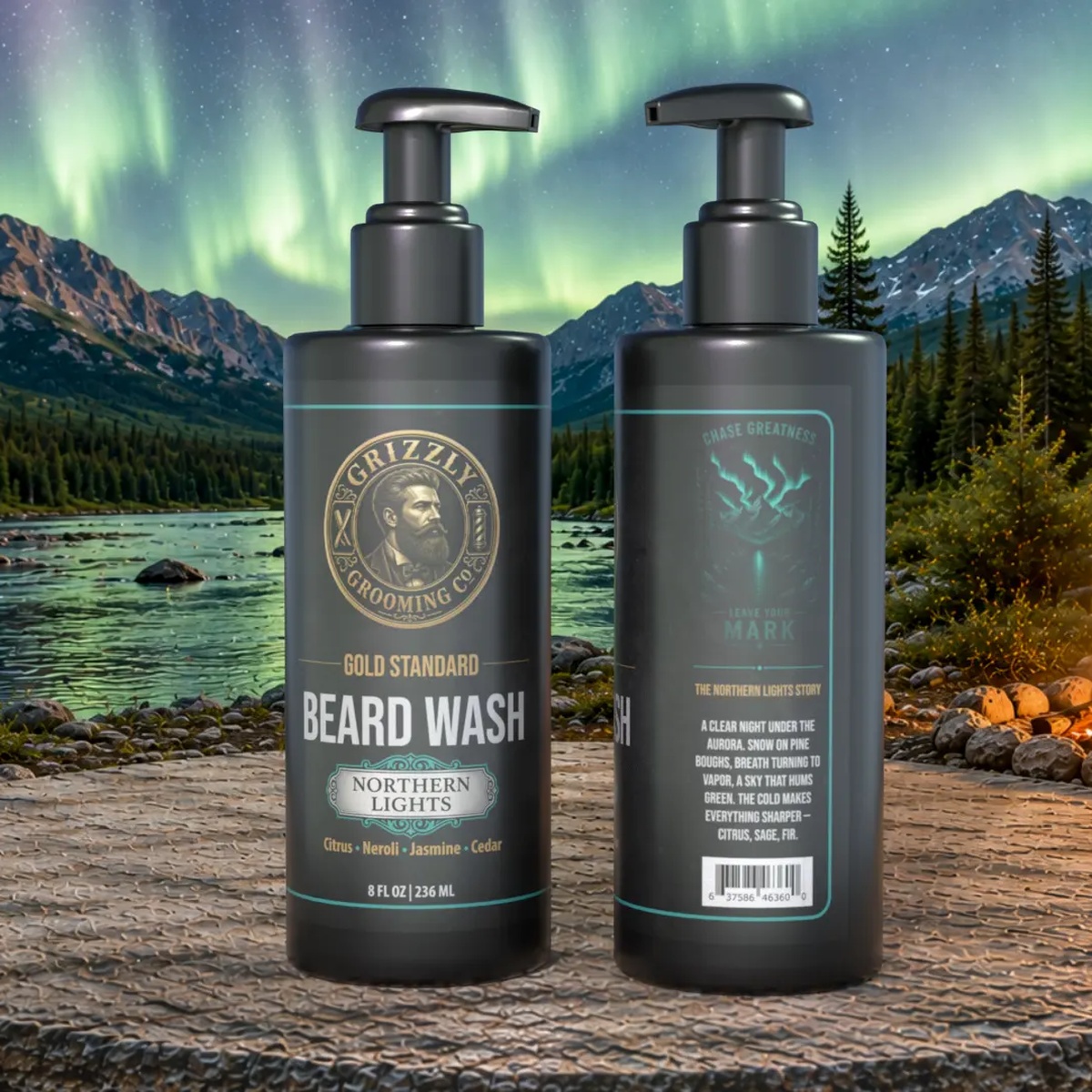
While your skin is damp, clear away surface debris that can clog the razor. Using a dedicated beard wash or a gentle facial cleanser ensures the blade moves across a level surface, preventing the microscopic jumps that lead to cuts.
Mapping the Grain for Directional Precision
Most men experience irritation because they shave against the grain on the first pass. You must map your beard by running your fingers across your stubble; the direction that feels smooth is with the grain. In the neck area, hair often grows in circular or diagonal patterns.
For the first pass, shave strictly with the grain. This removes the bulk of the hair without pulling the follicle out of the pore. Only after relathering should you attempt a second pass across the grain to achieve a closer finish.
Weight and Pressure Dynamics
One common mistake is applying downward pressure to the razor head. A quality razor is designed with enough weight to cut through hair using gravity alone. If you find yourself pressing into the skin, your blade is likely dull or your lather lacks sufficient slickness.
Short, controlled strokes of approximately one inch prevent the blade from clogging and allow you to adjust for the contours of the jawline. Rinse the blade in warm water after every single stroke to maintain a clean cutting edge.
Post-Shave Recovery and Sealing
Shaving is a form of exfoliation that removes the top layer of the epidermis. To prevent redness, rinse with cold water immediately after your final pass. This helps constrict the blood vessels and calm the skin's inflammatory response.
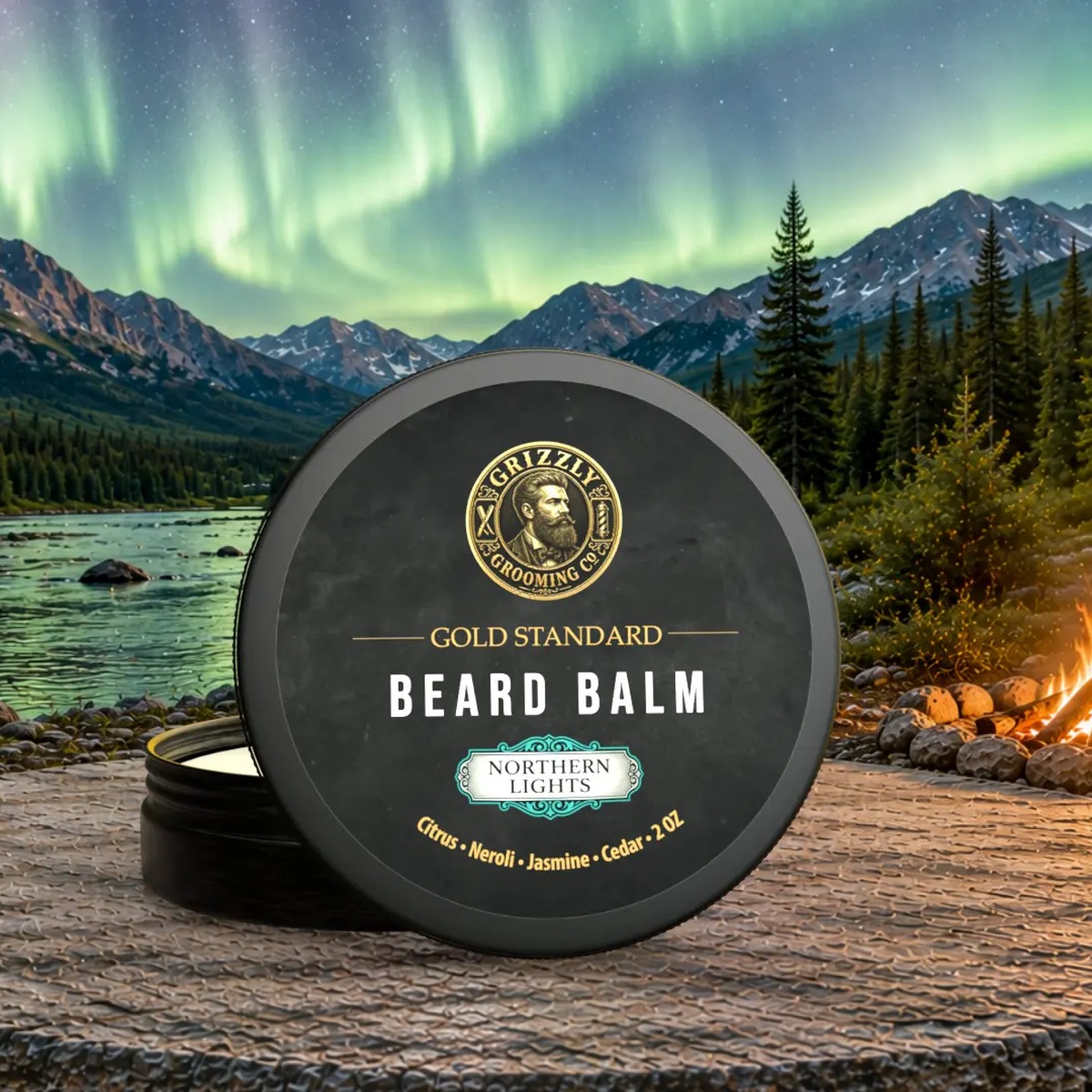
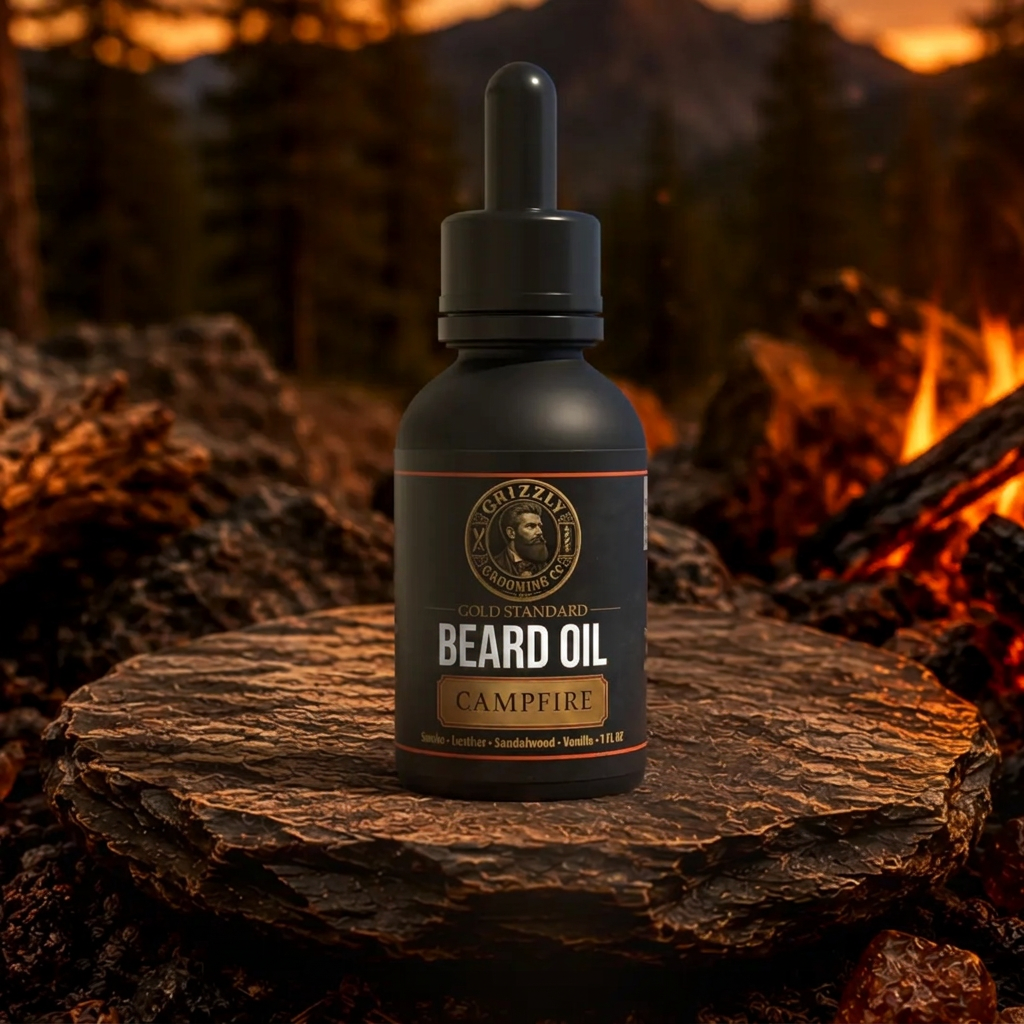
Avoid alcohol-based splashes that dehydrate the skin. Instead, apply a soothing balm or a light application of Grizzly Gold Standard beard oil if you are maintaining a trim. The goal is to restore the lipid barrier and lock in moisture before the skin begins to tighten.
Frequently Asked Questions
How often should I change my razor blades?
For sensitive skin, you should change your blade every 3 to 5 shaves. A dull blade tugs at the hair rather than slicing through it, which is the primary cause of razor burn and nicks.
Does cold water shaving actually work for sensitive skin?
While hot water softens the hair best, some men find that a cold water shave keeps the skin firmer and less prone to nicks. However, the professional consensus remains that heat for prep and cold for post-shave is the most effective routine.
Why do I always get nicks on my neck specifically?
The skin on the neck is thinner and the hair grows in multiple directions. Careful grain mapping and pulling the skin taut with your free hand can provide a flatter surface for the blade to glide over safely.
Build your ritual in 60 seconds.
Answer four questions and get a custom regimen — plus a 15% bundle discount.
Start The Ritual Builder