Why Deodorant Matters More Than Antiperspirant for Long-Term Skin Health
Sweating is a vital biological function designed to regulate core temperature and expel toxins from the body. When you apply antiperspirant, you are staging a chemical intervention against a natural process. Choosing a high-quality deodorant allows your body to function as intended while managing the bacteria that cause odor.
- ›Sweating is necessary for thermoregulation and toxin excretion.
- ›Aluminum-based antiperspirants physically plug sweat ducts, causing localized inflammation.
- ›True deodorants focus on pH balance and antimicrobial ingredients rather than blockage.
- ›Transitioning to natural formulas restores the skin's microbiome under the arms.
- ›Consistent use of nourishing ingredients prevents common issues like contact dermatitis.
The Biological Cost of Blocking Sweat
Antiperspirants rely on aluminum salts to form a temporary plug within the sweat duct. While this successfully keeps the underarm dry, it forces the body to retain moisture and metabolic waste that was meant to be expelled. This blockage can lead to painful clogged pores or even cysts in the sensitive axillary region.
From a barber's perspective, we see how skin behaves when its natural cycles are interrupted. When you stop the flow of sweat, you often see a significant increase in localized irritation and a breakdown of the skin's natural barrier. Deodorant, conversely, allows the skin to breathe while neutralizing the odor-causing bacteria that thrive in moist environments.
Understanding the Microbiome of the Underarm
Your skin is home to a complex ecosystem of bacteria. Body odor isn't caused by sweat itself—which is largely odorless—but by the breakdown of lipids and proteins by bacteria such as Corynebacterium. Antiperspirants often use harsh chemicals that wipe out both good and bad bacteria indiscriminately.
Switching to a well-crafted deodorant helps maintain a healthier microbial balance. By using natural antimicrobial agents like magnesium or tea tree oil, you target the specific bacteria responsible for the 'barnyard' scent without disrupting the overall health of the skin surface. This results in less sensitivity and fewer rashes over time.
Chemical Irritants and Long-Term Sensitivity
Many commercial antiperspirants contain parabens, phthalates, and synthetic fragrances that serve as common allergens. Because the underarm is a thin-skinned area with significant lymph node density, the absorption rate of these chemicals is higher than on most other parts of the body.
A premium deodorant focuses on skin-conditioning agents. Ingredients like shea butter, coconut oil, and vitamin E provide a protective layer that prevents friction and razor burn while delivering scent. If you find yourself constantly scratching or noticing darkened patches under your arms, your antiperspirant's chemical load is likely the culprit.
The Transition Phase and Consistency
If you have used aluminum-based products for years, your body will undergo a 'detox' period when you switch to a natural deodorant. During the first two weeks, you may notice increased moisture as your sweat glands clear out accumulated plugs. This is not a failure of the deodorant, but a sign of your body returning to its natural state.
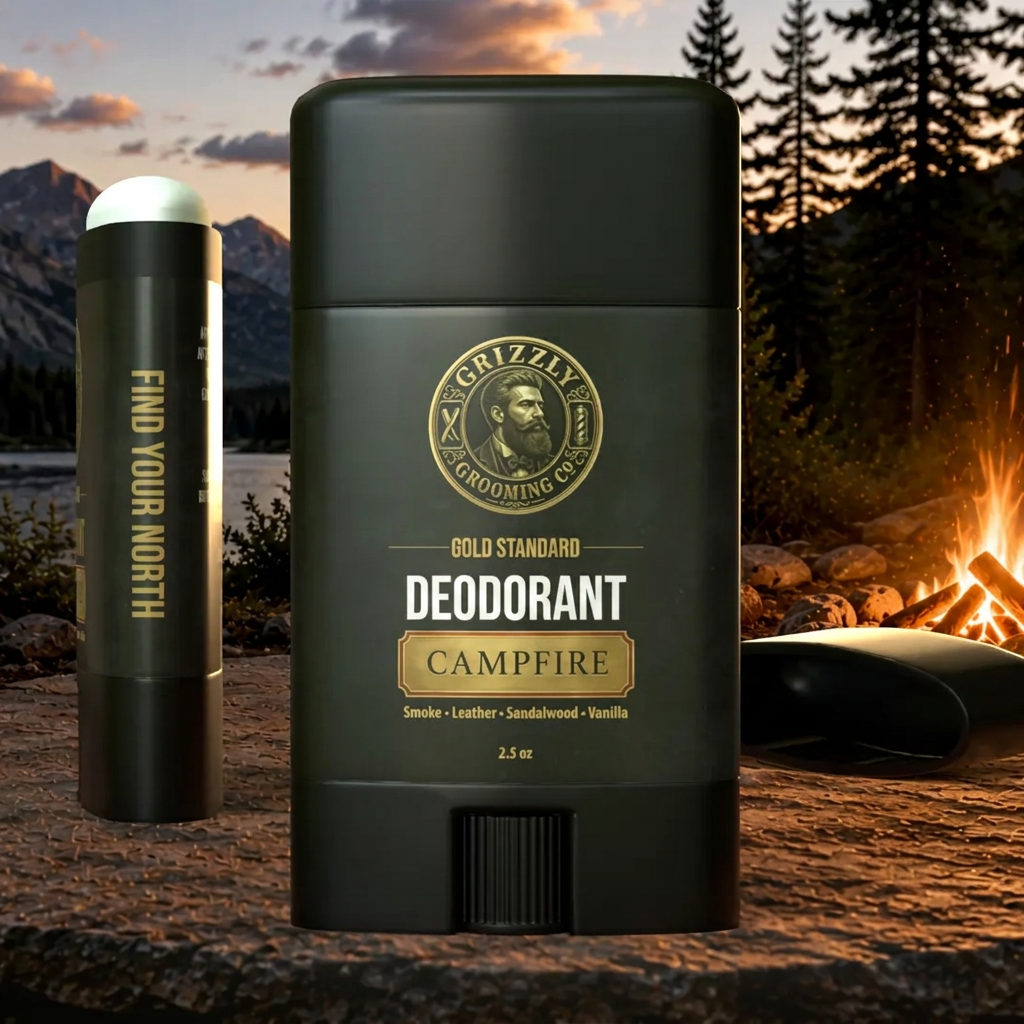
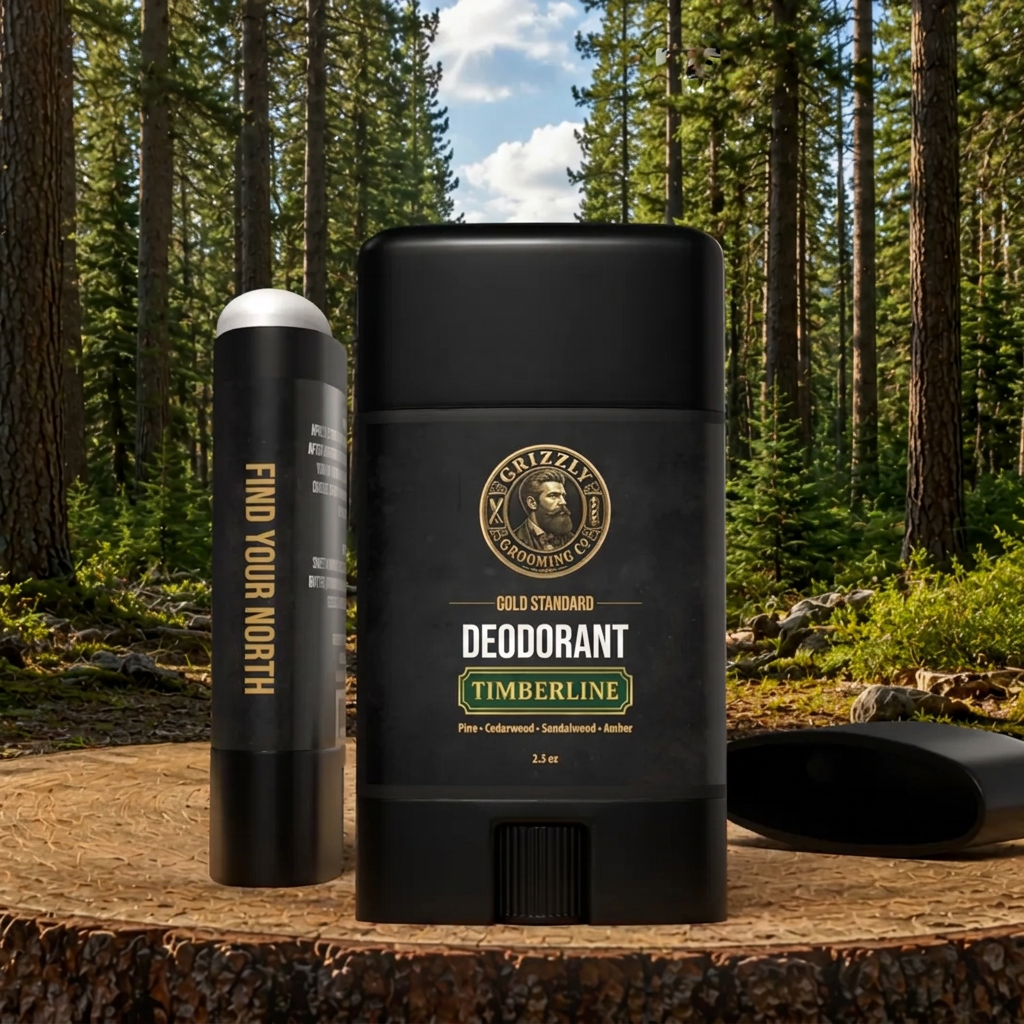
Consistency is key during this period. Once the ducts are clear, the sweat becomes more watery and less prone to odor. Grizzly Gold Standard deodorant is designed to support the skin during this transition, providing a dry feel through natural starches without ever sealing the pores shut.
Frequently Asked Questions
Will I sweat more if I switch to deodorant?
Initially, yes. Your body will expel the chemical plugs from your pores, which can lead to a temporary increase in moisture. After the adjustment period, your sweating will level out and become a natural, healthy function of your body's cooling system.
How do I deal with the odor during the transition phase?
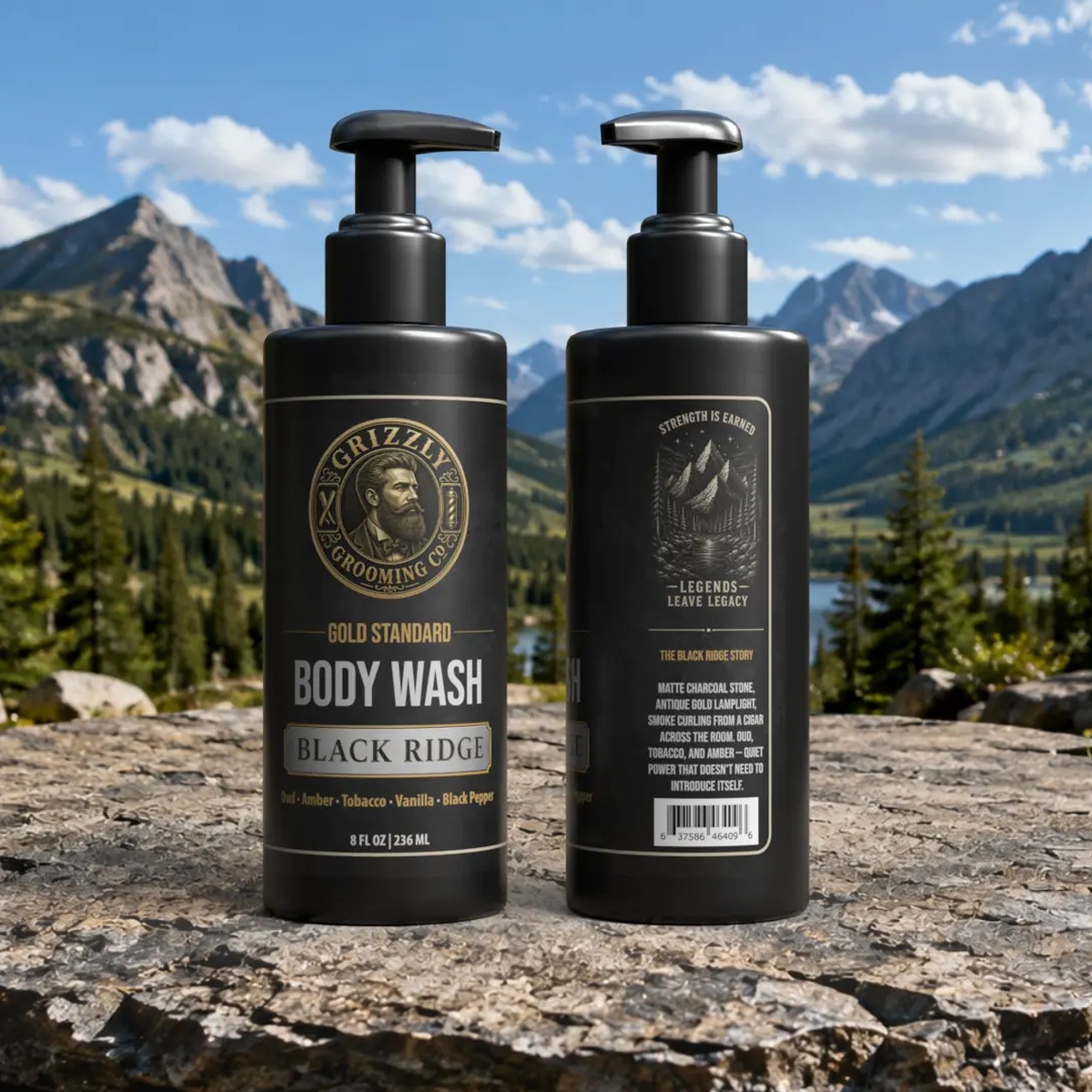
Focus on hygiene by using a high-quality body wash to thoroughly cleanse the area twice a day. Applying a natural deodorant to clean, dry skin will help manage the bacteria while your body recalibrates its chemistry.
Is aluminum in antiperspirant actually dangerous?
While medical debates continue regarding systemic toxicity, the dermatological impact is clear. Aluminum salts are known irritants that cause inflammation, yellow stains on clothing, and pore blockage, making aluminum-free deodorant the superior choice for skin health.
Build your ritual in 60 seconds.
Answer four questions and get a custom regimen — plus a 15% bundle discount.
Start The Ritual Builder