
The Master's Guide to Shaving Sensitive Skin Without Irritation
Shaving sensitive skin requires a transition from convenience to craft. Most irritation stems from poor preparation or dragging dull blades across dry follicles. By respecting the grain and the health of the dermis, you can achieve a close finish without the cost of redness or nicks.
- ›Hydrate the skin with warm water for at least three minutes before the blade touches your face.
- ›Always shave in the direction of hair growth to minimize follicular trauma.
- ›Use a single-blade safety razor or a sharp cartridge to reduce friction.
- ›Invest in high-quality post-shave hydration to restore the skin's moisture barrier.
- ›Replace blades every five shaves to ensure a clean, effortless cut.
Preparation is the Foundation of the Shave
The most common mistake leading to nicks is shaving dry, brittle hair. Facial hair has the tensile strength of copper wire when dry; however, it swells and softens by sixty percent when properly hydrated. A hot shower or a warm towel applied for three minutes is essential to relax the pores and soften the keratin.
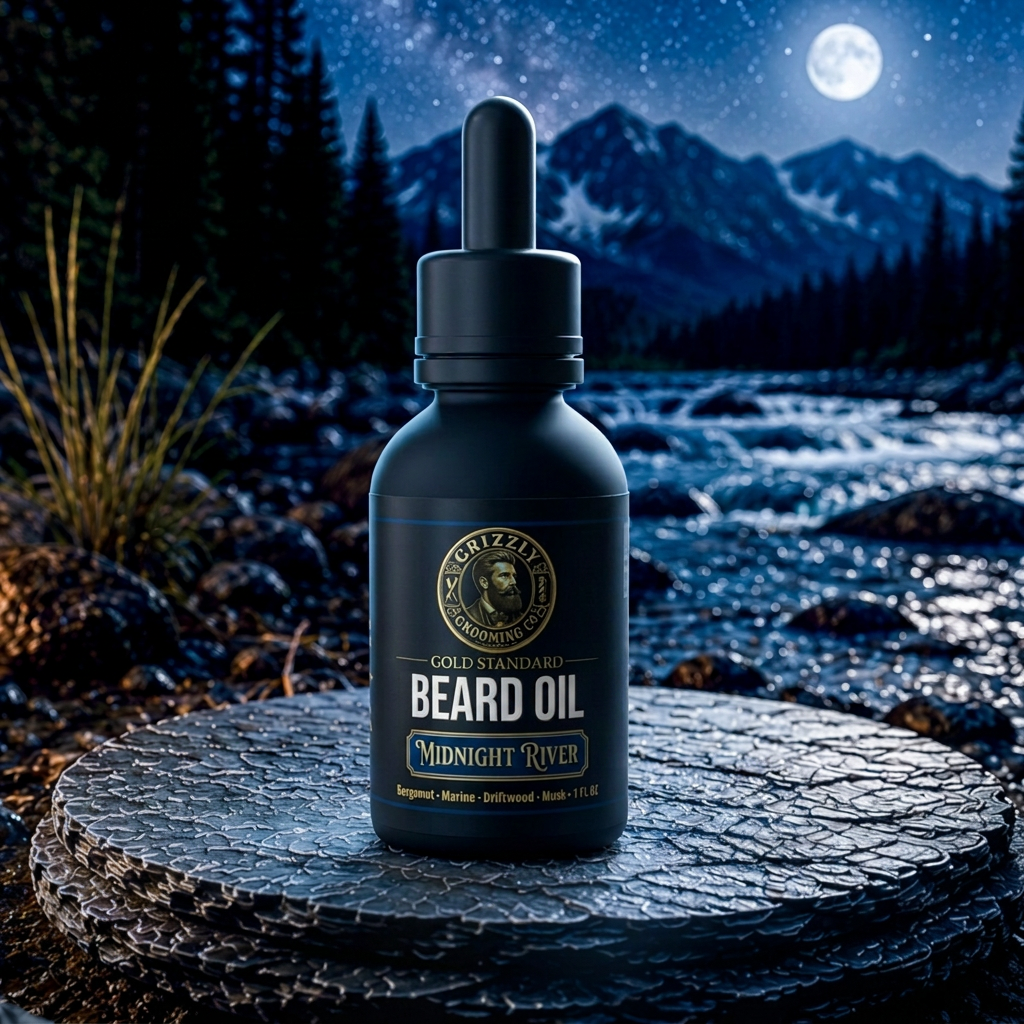
Consider applying a thin layer of Grizzly Gold Standard beard oil as a pre-shave lubricant. This creates a microscopic barrier between the steel and your skin, allowing the blade to glide rather than grate. It also prevents the razor from catching on uneven skin texture.
Understand the Geometry of Your Grain
You cannot achieve a painless shave without understanding the direction your hair grows. Most men have hair that grows in various directions, particularly on the neck. Map your face by running your fingers across two-day stubble to identify which way the grain flows in each zone.
Always shave with the grain on the first pass. Shaving against the grain pulls the hair follicle upward before cutting it, which often results in the hair retreating below the skin surface—the primary cause of ingrown hairs and razor bumps.
Pressure and Blade Angle
A razor is a precision tool, not a scraper. Let the weight of the razor handle do the work rather than pressing the blade into your flesh. If you have to press down to get a clean cut, your blade is dull and should be discarded immediately.
Maintain a thirty-degree angle relative to your skin surface. This ensures the edge of the blade slices through the hair at the base without scraping away the top layer of your epidermis. Short, controlled strokes are always preferable to long, sweeping motions which tend to lose consistent angle and pressure.
The Essential Post-Shave Recovery
Once the shave is complete, rinse your face with cold water to constrict the blood vessels and calm the skin. This immediate cooling helps to close any microscopic abrasions and reduces the vascular response that causes redness.
Avoid alcohol-based splashes which dehydrate the skin and cause stinging. Instead, apply a soothing moisturizer or a drop of our beard oil to the shaved areas to replenish lost lipids. If you are also maintaining a mustache, a small amount of mustache wax can keep stray hairs away from the sensitive, freshly-shaved philtrum.
Frequently Asked Questions
How often should I change my razor blade?
For those with sensitive skin, blades should be changed every three to five shaves. A dull blade requires more pressure and creates more friction, which is the leading cause of razor burn and nicks.
Does shaving every day ruin sensitive skin?
Not necessarily, provided your technique is sound. Shaving daily can actually help exfoliate dead skin cells, but you must ensure you are using high-quality grooming products and never skipping the hydration steps.
What should I do if I get a nick?
Rinse the area with cold water and apply a styptic pencil or a small dab of alum. Avoid wiping the area with a towel, as the friction can prolong bleeding and irritate the surrounding skin further.
Build your ritual in 60 seconds.
Answer four questions and get a custom regimen — plus a 15% bundle discount.
Start The Ritual Builder