Solving Sensitive Scalp Issues: A Practical Men's Shampoo Playbook
A sensitive scalp is more than a minor nuisance; it is a sign that your skin's natural barrier is compromised. Whether you are dealing with chronic redness, persistent itching, or seasonal dryness, the solution begins with a technical assessment of your current shower routine.
- ›Switch to sulfate-free formulas to preserve natural sebum.
- ›Limit hair washing to two or three times per week.
- ›Use lukewarm water instead of high heat to prevent inflammation.
- ›Massage the scalp with fingertips, never fingernails.
The Mechanics of Scalp Sensitivity
Underneath your hair lies a complex ecosystem of oils and microbes. When harsh detergents like Sodium Lauryl Sulfate (SLS) are used daily, they strip away the protective lipid layer, leaving the skin exposed to environmental irritants and pollutants.
Clinical sensitivity often manifests as tightness or a burning sensation. This indicates that the pH level of your scalp has been pushed out of its ideal range, which typically sits between 4.5 and 5.5. Reclaiming balance requires products designed to respect this delicate acidity.
Strategic Ingredient Selection
The most effective playbook for a sensitive scalp prioritizes botanical extracts over synthetic fillers. Look for anti-inflammatory agents like aloe vera or chamomile, which provide immediate cooling effects without clogging the hair follicles.
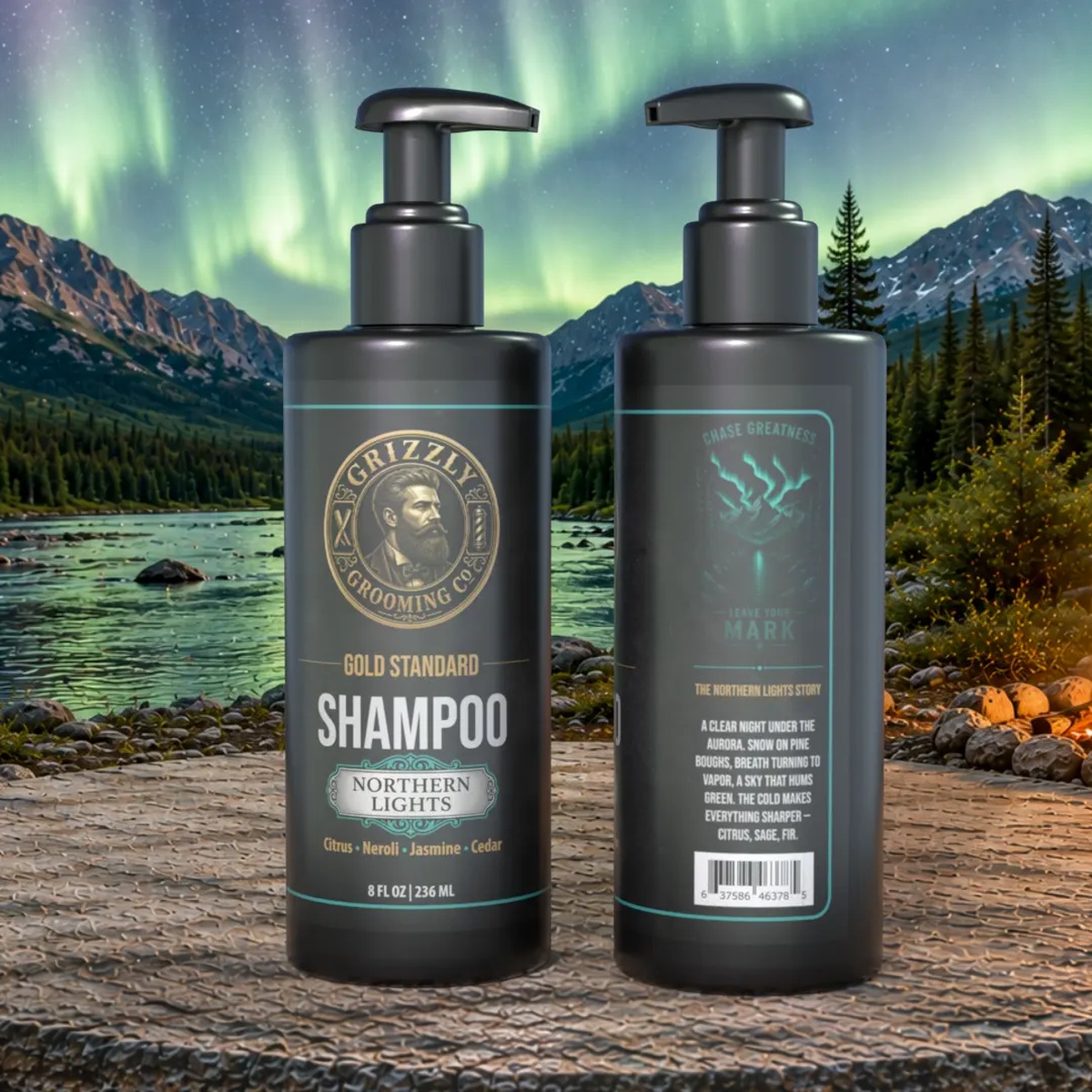
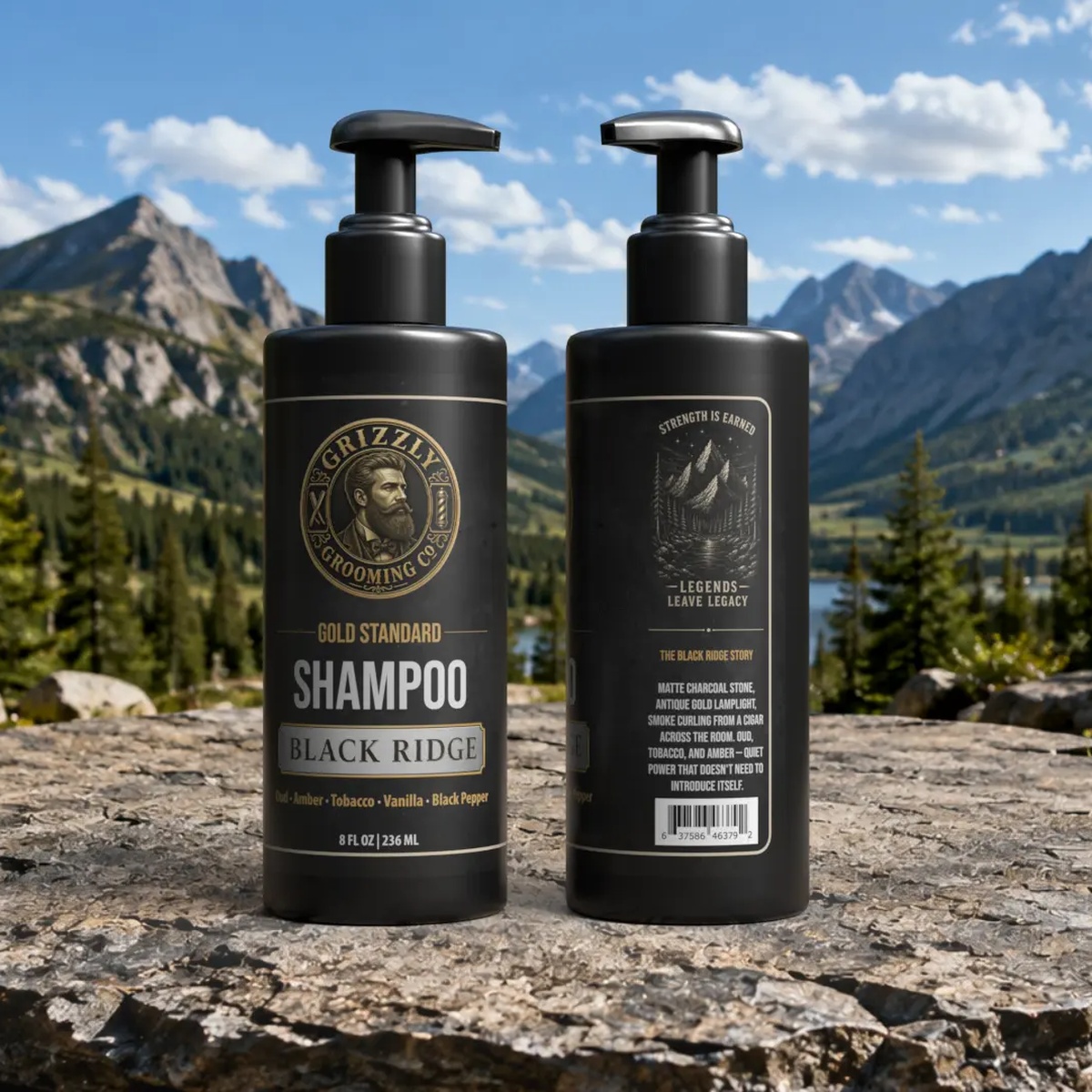
Grizzly Gold Standard Shampoo utilizes a balanced approach, avoiding the aggressive stripping agents found in grocery store brands. By choosing a formula that focuses on hydration, you ensure that the scalp remains supple and less prone to the flaking often mistaken for simple dandruff.
The Technique of the Wash
Most men apply too much pressure and too much heat. High-temperature water acts as a vasodilator, increasing blood flow to the surface and heightening sensitivity. Dial the temperature down to lukewarm to keep the skin calm during the cleansing process.
When applying shampoo, focus your efforts on the scalp rather than the ends of the hair. Use the pads of your fingers in a gentle circular motion. This stimulates blood flow and clears debris without causing micro-abrasions that lead to further irritation.
Post-Wash Stabilization
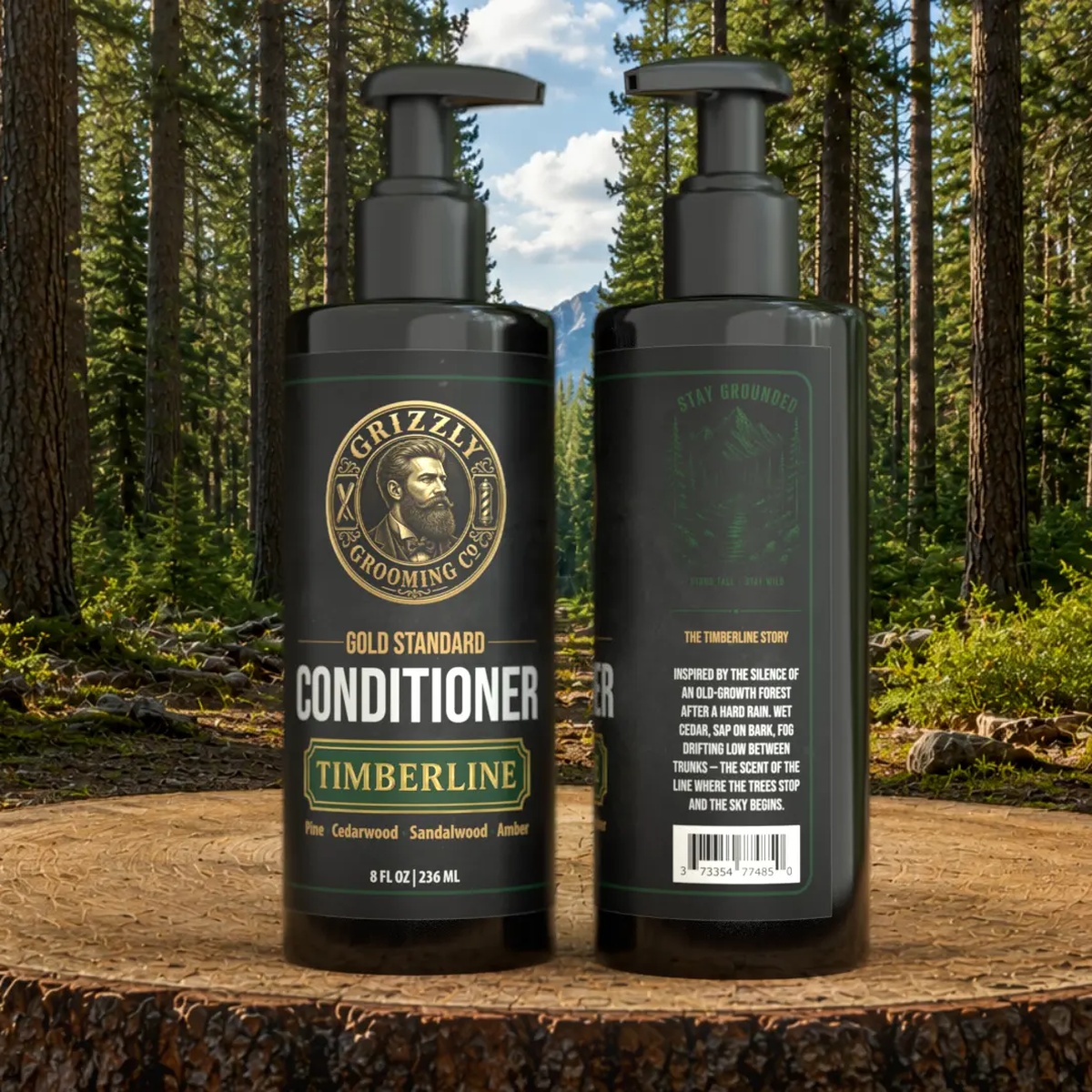
Cleansing is only half the battle. Following up with a dedicated conditioner is essential for sealing the hair cuticle and soothing the skin. A quality conditioner acts as a secondary barrier, locking in moisture while the scalp recovers its natural oils.
Avoid vigorous towel drying, as the friction can exacerbate a sensitive scalp. Instead, pat the hair dry or use a microfiber towel. If you use a hair dryer, keep it on the cool setting and at least six inches away from the skin to prevent thermal damage.
Frequently Asked Questions
How often should I wash a sensitive scalp?
For most men, washing every two to three days is ideal. This allows your natural oils to stabilize and protect the skin. If you exercise daily, a simple water rinse on 'off' days is often sufficient to remove sweat without stripping the scalp.
What is the difference between dandruff and a dry scalp?
Dandruff is often caused by an overgrowth of yeast and results in oily, yellowish flakes. A dry scalp produces smaller, white flakes and is usually a result of dehydration or harsh products. Treat a dry scalp with hydrating oils rather than aggressive anti-dandruff chemicals.
Can my styling products affect my scalp sensitivity?
Yes, products containing high amounts of alcohol or heavy silicones can migrate to the scalp and cause contact dermatitis. Opt for water-based pomades or natural waxes, and ensure you are thoroughly cleansing the scalp at the end of the day.
Build your ritual in 60 seconds.
Answer four questions and get a custom regimen — plus a 15% bundle discount.
Start The Ritual Builder