Mastering the Clean Shave Without Nicks or Irritation for Sensitive Skin
A clean shave should not be a sacrifice of skin health or comfort. For the man with sensitive skin, the difference between a refined finish and a painful morning lies in the technical execution of the ritual.
- ›Hydrate the whiskers with warm water for three full minutes before the blade touches skin.
- ›Map your grain direction and never shave against it on the first pass.
- ›Let the weight of the razor do the work instead of applying manual pressure.
- ›Cold water rinses are non-negotiable for closing pores and calming inflammation.
- ›Post-shave hydration is essential to restore the skin's natural moisture barrier.
The Critical Importance of Pre-Shave Preparation
The primary cause of nicks is resistance. When hair is dry, it has the tensile strength of copper wire, forcing the blade to tug rather than slice. This pulling lifts the skin into the path of the edge, resulting in a cut.
You must soften the keratin. Spend at least two minutes under a hot shower or use a steaming towel. This process swells the hair shaft and relaxes the follicle, creating a more compliant surface for the razor.
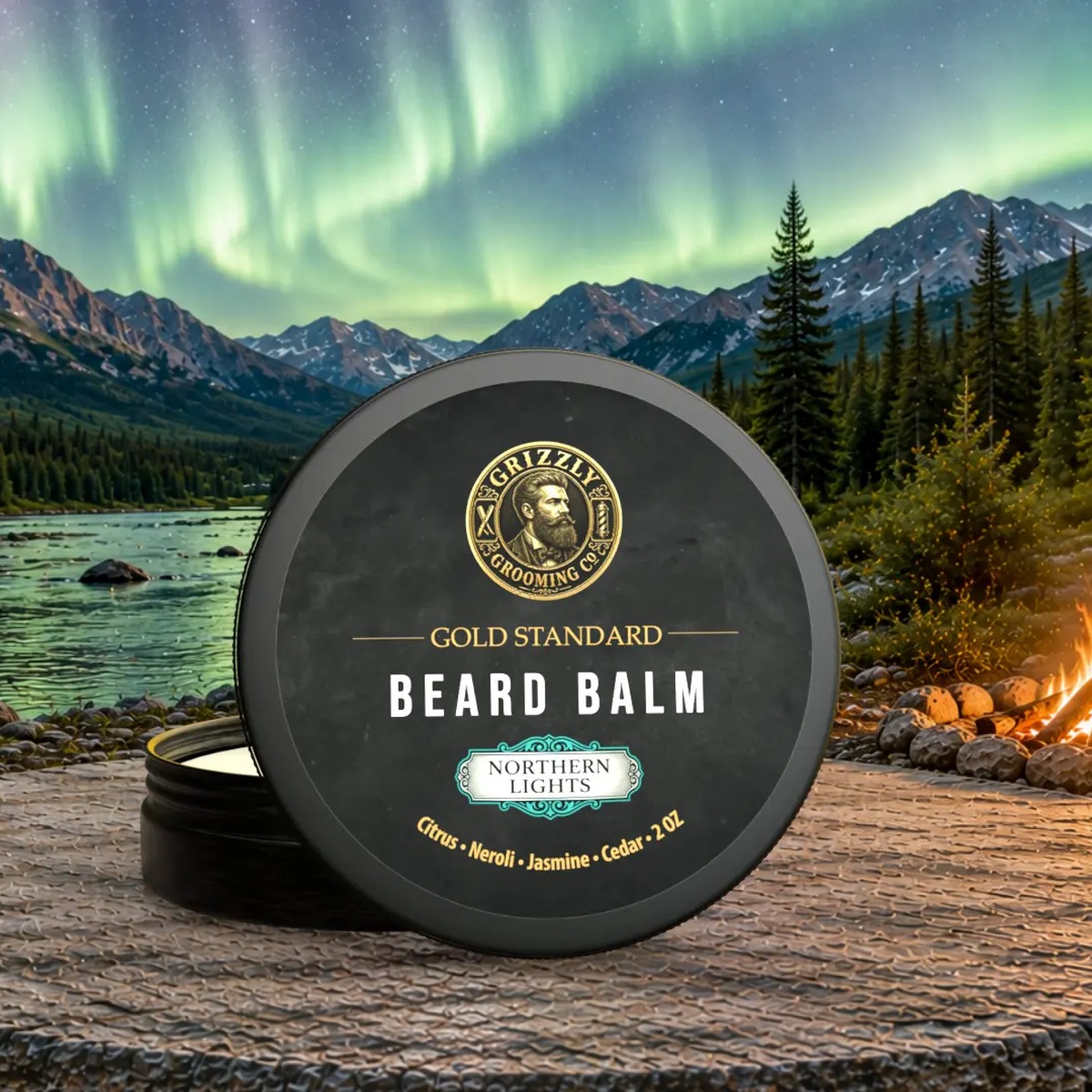
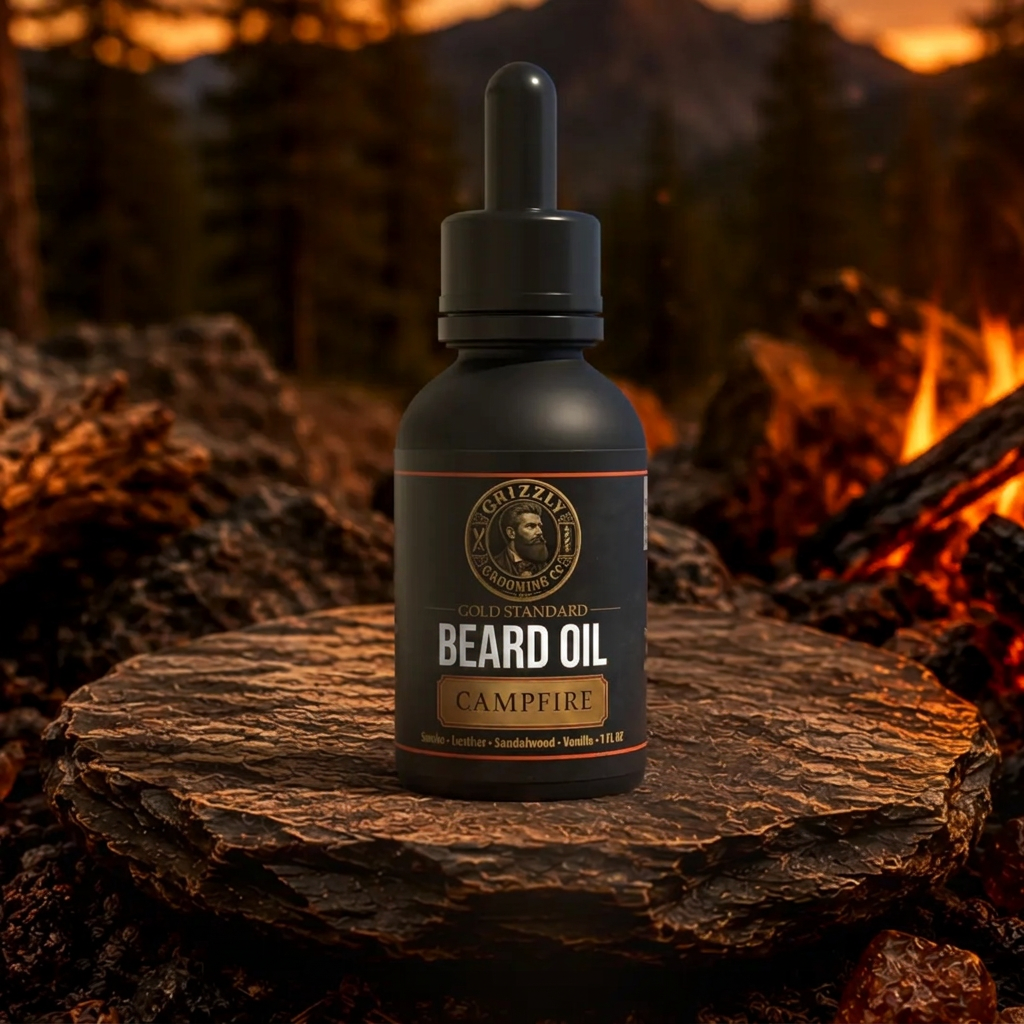
Consider applying a light layer of beard oil as a pre-shave lubricant. This provides a thin, protective barrier that allows the blade to glide effortlessly without stripping away the natural oils of your face.
Mapping the Grain and Blade Geometry
Most men treat their face as a flat surface, but hair grows in divergent patterns, especially around the neck and jawline. Before you lather, run your fingers across your stubble to identify which direction feels rough.
For sensitive skin, the first pass must always be with the grain. Attempting to get a baby-smooth finish in one stroke by going against the grain is the fastest way to induce razor burn and ingrown hairs.
Keep your blade at a 30-degree angle relative to your skin. If the angle is too steep, you are scraping; if it is too shallow, you are not cutting. Consistency in this geometry is what separates a professional shave from an amateur one.
Quality Lather and Chemical Avoidance
Mass-market shaving foams in pressurized cans often contain alcohol and drying agents that compromise the skin's elasticity. A high-quality cream or soap used with a brush is superior for lifting the hair away from the skin.
If you find your skin feels tight or itchy after shaving, look at your ingredients. Avoid synthetic fragrances and look for glycerin-based products that maintain moisture during the shaving process.
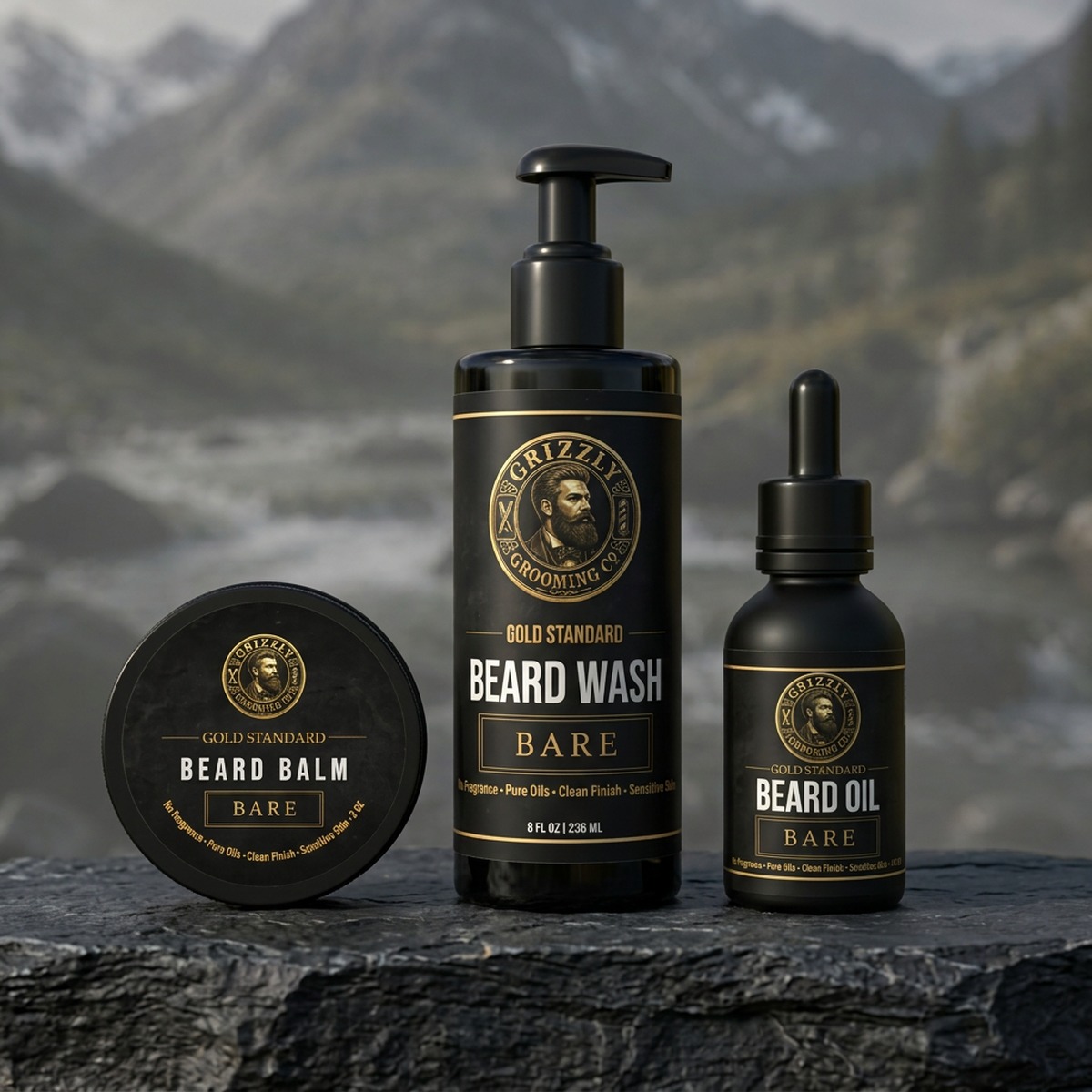
For those with extremely sensitive skin, using a beard wash before the shave can help remove debris and bacteria that might otherwise cause micro-infections in small abrasions.
The Post-Shave Recovery Phase
Once the shave is complete, immediately rinse with cold water. This constricts the blood vessels and helps soothe any latent inflammation caused by the blade's friction.
Pat your face dry with a clean towel; never rub. Rubbing creates friction on skin that has just been exfoliated by a razor, leading to unnecessary redness and heat.
Finish with a dedicated post-shave balm or a light application of beard butter to restore lipids. If you are heading out, a subtle cologne should be applied only to the pulse points of the neck, never directly onto freshly shaved skin.
Frequently Asked Questions
How often should I change my razor blades?
A dull blade is the enemy of sensitive skin. For most men, a blade should be discarded after 3 to 5 shaves. As soon as you feel any dragging or tugging, the blade's edge has microscopic hooks that will damage your skin.
Is a safety razor better for sensitive skin than a cartridge razor?
Generally, yes. Modern cartridge razors use multiple blades that can over-exfoliate the skin, whereas a single-edge safety razor allows for more control and fewer passes over the same area, reducing the risk of irritation.
What should I do if I actually get a nick?
Stay calm and use a styptic pencil or an alum block. These contain mineral salts that act as astringents to stop bleeding instantly. Avoid the old tissue paper method, which is unsanitary and ineffective for proper healing.
Build your ritual in 60 seconds.
Answer four questions and get a custom regimen — plus a 15% bundle discount.
Start The Ritual Builder