Mastering the Clean Shave: Techniques for Sensitive Skin Without Nicks
The hallmark of a skilled barber is the ability to achieve a close shave without compromising the integrity of the skin. For men with sensitive skin, this requires a shift from speed to precision and a deeper understanding of skin preparation. Proper technique is not about the sharpest blade, but the friction-less glide across a well-conditioned surface.
- ›Prioritize heat and hydration to soften the hair follicle and relax the pores.
- ›Always apply a lubricant barrier, such as a high-quality oil, before your shaving cream.
- ›Use short, deliberate strokes and never apply downward pressure on the razor.
- ›Shave exclusively with the grain to minimize tugging and subcutaneous irritation.
- ›Seal the skin with cold water and a pH-balanced post-shave treatment.
The Critical Foundation of Pre-Shave Hydration
A common mistake is approaching the skin while the hair is still rigid. Dry beard hair has the tensile strength of copper wire, which forces the blade to tug rather than slice. The first step for sensitive skin is at least two minutes of exposure to warm water, preferably during or immediately after a shower.
Heat opens the pores and allows moisture to penetrate the cortex of the hair. If you are not shaving in the shower, a hot towel pressed against the face for 60 seconds is the standard professional alternative. This preparation reduces the force required to cut the hair by up to 50 percent, directly lowering the risk of nicks.
Creating a Frictionless Barrier
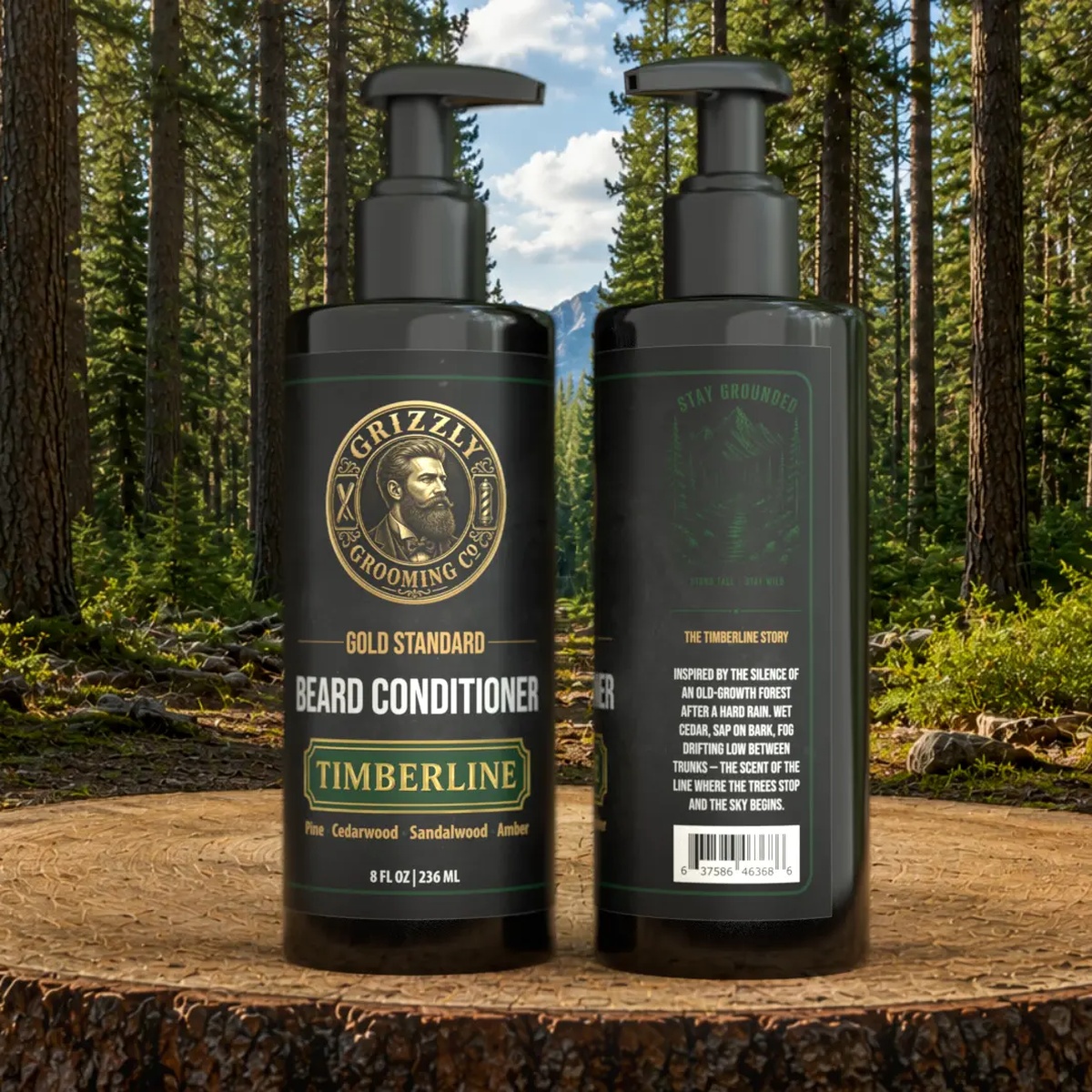
Sensitive skin lacks the natural lipid barrier to withstand the repeated passes of a sharp blade. You must create an artificial one. Applying a thin layer of Grizzly Gold Standard beard oil prior to your shaving cream acts as a primary lubricant, allowing the metal to slide over the skin's irregularities rather than catching on them.
When choosing a shaving cream, avoid aerosol foams containing alcohols or heavy sulfates, which dehydrate the epidermis. Opt for a glycerin-based cream or a traditional shave soap applied with a brush. The brush serves a dual purpose: it lifts the hair away from the skin and ensures the lubricant covers every millimeter of the follicle base.
The Physics of the Stroke
Pressure is the enemy of the sensitive shave. Modern multi-blade razors often encourage the user to press down, but this causes the skin to bulge between the blades, leading to micro-cuts and irritation. Hold the razor by the tip of the handle to let the weight of the tool do the work.
Limit each stroke to one or two inches. Long sweeps across the jawline increase the likelihood of changing the blade angle mid-stroke. Keep the blade at a 30-degree angle relative to the skin. If you find yourself needing to press down to get a close shave, your blade is dull and must be replaced immediately.
Mapping Grain and Post-Shave Recovery
Shaving against the grain is the primary cause of ingrown hairs and redness. Spend time mapping your beard growth; hair often changes direction at the neck and jawline. For the first pass, shave strictly with the grain. If a second pass is needed, go across the grain, but never against it.
The ritual concludes with temperature management. Rinse with cold water to constrict blood vessels and close the pores. Follow this with a specialized post-shave balm or a light application of beard butter to restore moisture. Avoid splashes with high alcohol content, as these cause the skin to contract violently and dry out, leading to flaking.
Frequently Asked Questions
How often should I change my razor blade if I have sensitive skin?
For sensitive skin, a blade should be used no more than three to five times. A dull blade requires more pressure and creates more friction, which is the leading cause of razor burn and nicks.
Is a safety razor better than a cartridge razor for sensitivity?
Generally, yes. A single-blade safety razor reduces the number of times a blade passes over the skin, whereas a five-blade cartridge scrapes the surface five times in a single stroke, increasing irritation.
Why do I get nicks specifically on my neck?
The skin on the neck is thinner and the hair follicles often grow in multiple directions. Ensure you are pulling the skin taut with your free hand to create a flat surface and always follow the direction of growth.
Build your ritual in 60 seconds.
Answer four questions and get a custom regimen — plus a 15% bundle discount.
Start The Ritual Builder