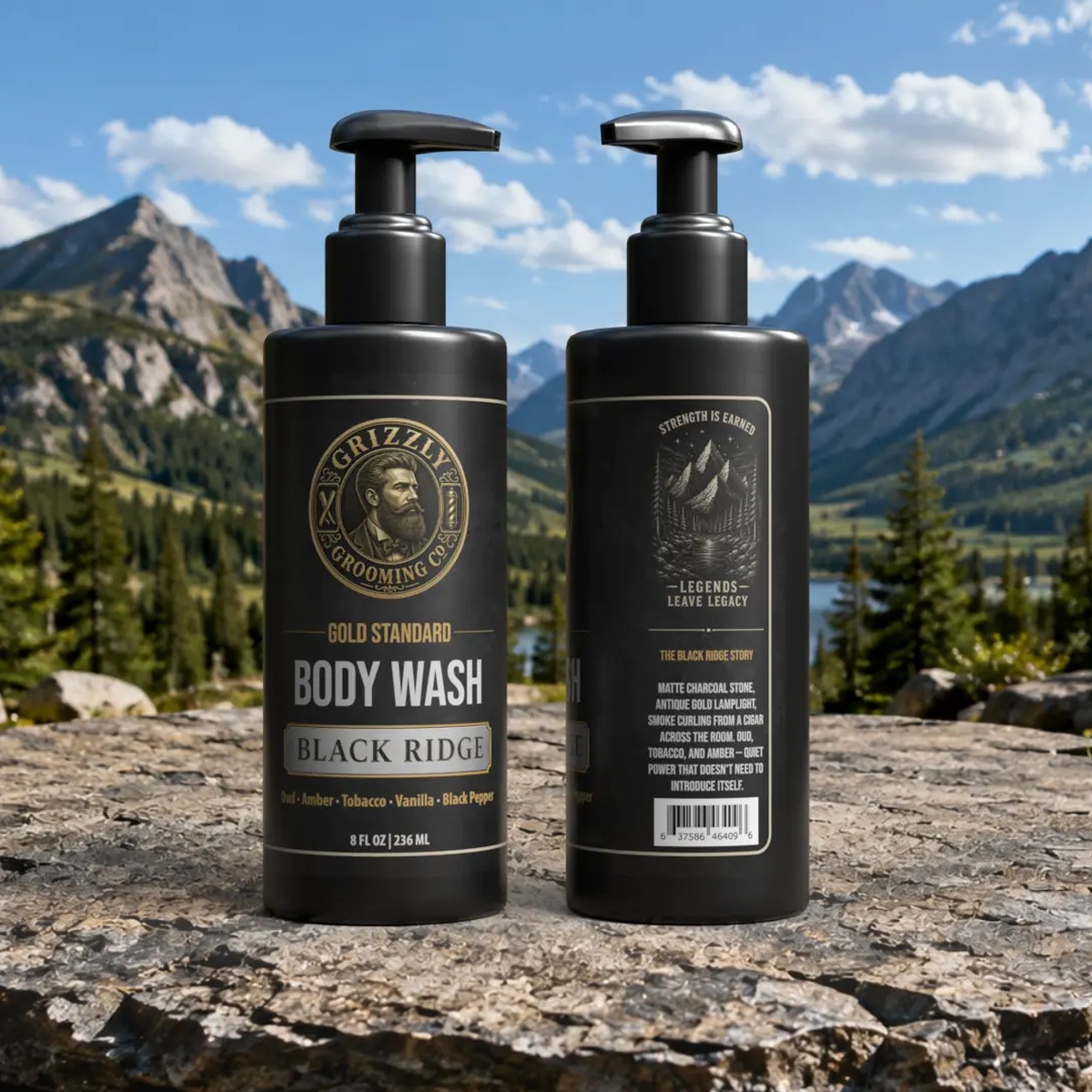

Mastering the Clean Shave: Techniques for Irritation-Free Skin
Shaving with sensitive skin is often a balance between precision and protection. Achieving a close finish without the cost of redness or nicks requires a technical approach to both tools and technique.
- ›Prioritize heat and hydration to soften the hair follicle before the blade touches skin.
- ›Always shave with the grain to minimize tension on the hair and skin surface.
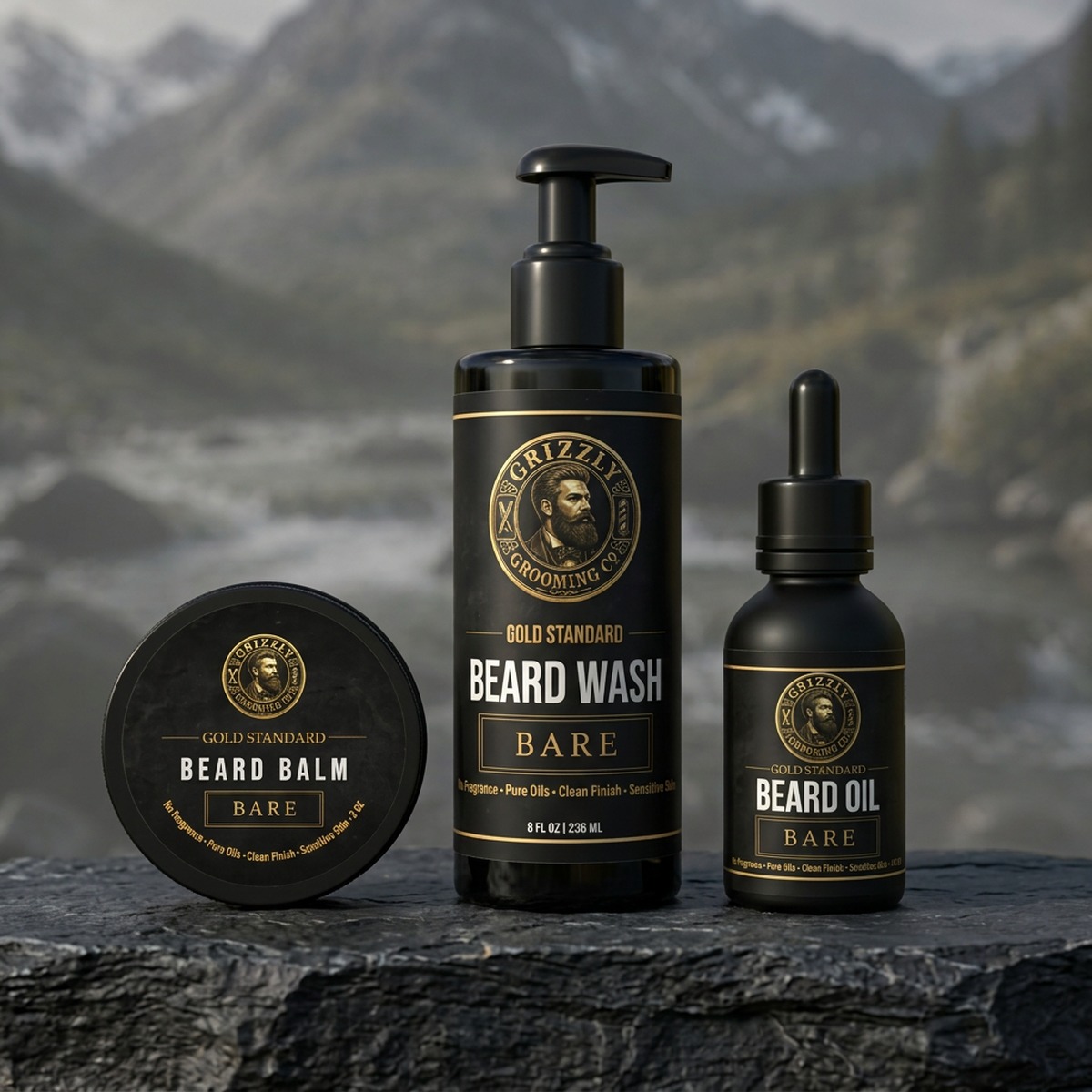
- ›Use a high-quality beard wash or specialized cleanser to remove debris that causes friction.
- ›Replace blades every three to five shaves to ensure clean cuts rather than skin-tearing tugs.
- ›Seal the skin with cold water and a restorative balm to prevent post-shave inflammation.
Preparation and Pore Management
The most common cause of nicks is attempting to shave dry, rigid hair. Hair that has not been properly hydrated is nearly as tough as copper wire of the same diameter, which causes the blade to catch and skip across the skin.
Begin your ritual with a warm shower or a hot towel application for at least two minutes. This heat relaxes the skin and swells the hair shaft, making it easier for the blade to slice through cleanly. Using a dedicated beard wash during this stage helps remove excess sebum that can clog the razor.
Consider applying a pre-shave oil. This thin layer of lubrication acts as a buffer between the steel and your epidermis, providing the glide necessary to prevent the micro-tears that lead to razor burn.
The Mechanics of the Stroke
Pressure is the enemy of a sensitive shave. Modern razors are weighted to do the work for you; pressing the blade into the skin only creates uneven surfaces and increases the likelihood of a nick.
Always follow the grain of your hair growth. While shaving against the grain provides a marginally closer result, it significantly increases the risk of ingrown hairs and irritation as the blade pulls the hair upward before cutting it below the skin line.
Short, controlled strokes are more effective than long sweeping motions. Rinse the blade in warm water after every pass to ensure that hair and cream buildup do not interfere with the blade's edge geometry.
Tool Selection and Maintenance
For those with highly reactive skin, a single-edge safety razor is often superior to multi-blade cartridges. Multiple blades increase friction and can strip away too many layers of skin, leading to the dreaded 'burning' sensation.
Blade sharpness is non-negotiable. A dull blade requires more pressure and multiple passes over the same area, which is the primary catalyst for irritation. If you feel any tugging, discard the blade immediately.
Store your razor in a dry area outside of the shower. Moisture leads to microscopic oxidation on the blade edge, creating a jagged surface that causes nicks even if the blade is technically new.
Post-Shave Recovery and Protection
The ritual does not end when the hair is gone. After your final pass, rinse your face with cold water to constrict the blood vessels and help close the pores. This immediate temperature shift reduces inflammation.
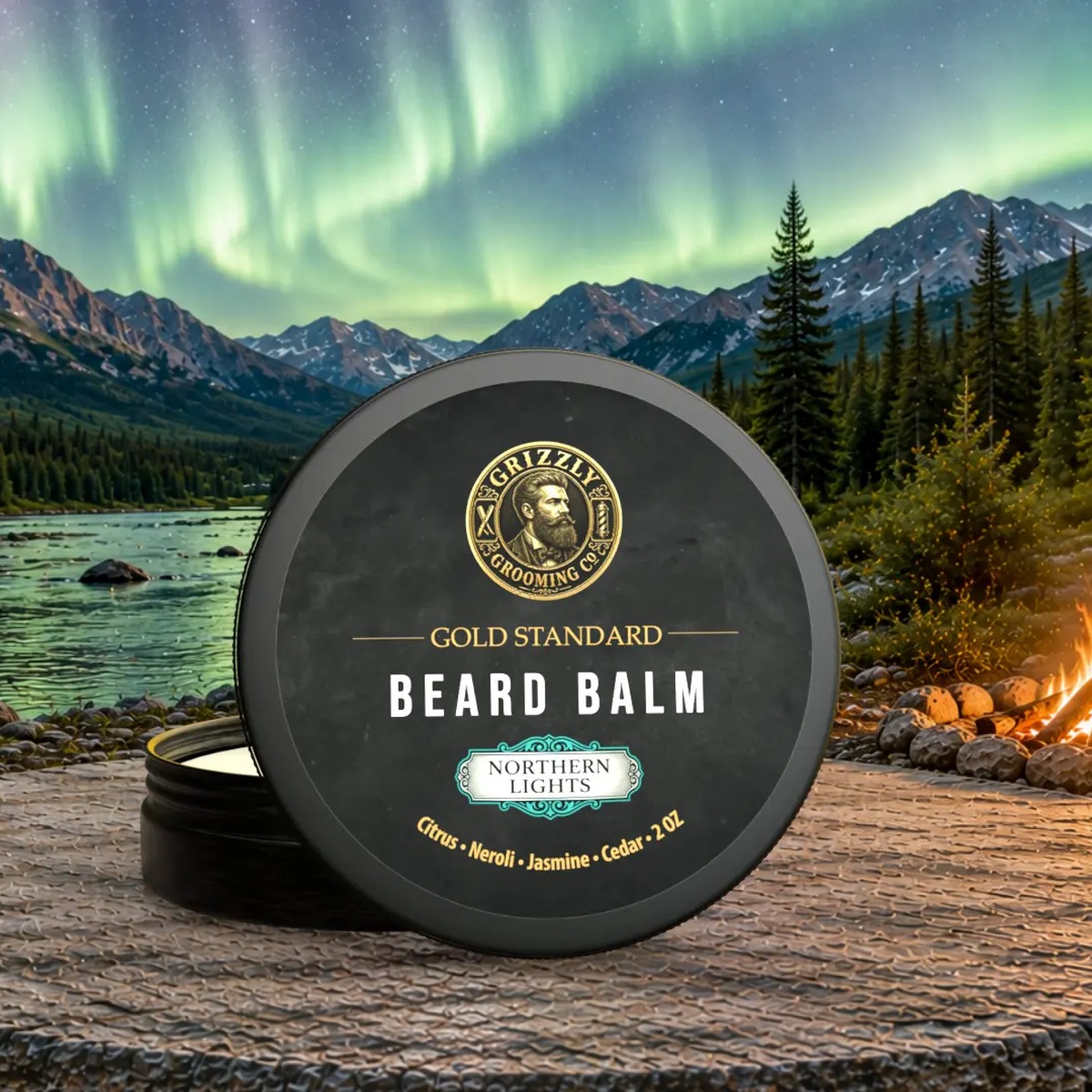
Pat your face dry with a clean towel; never rub. Rubbing freshly exfoliated skin causes unnecessary friction and can introduce bacteria into the micro-cuts. Apply a soothing beard balm or a dedicated post-shave moisturizer to restore the skin's lipid barrier.
If you use a cologne, avoid applying it directly to the shaved area. The alcohol content will dehydrate the skin and cause a sharp stinging sensation. Instead, apply scent to the pulse points on your wrists or the back of your neck.
Frequently Asked Questions
Why do I always get red bumps on my neck?
Red bumps, or pseudofolliculitis barbae, occur when hair curls back into the skin. Shaving against the grain or stretching the skin too tight during the shave are the most common culprits for this irritation.
How often should I change my razor blade?
A general rule for sensitive skin is every 3 to 5 shaves. If you have particularly thick or coarse hair, you may need to change it more frequently to ensure the blade slices rather than pulls.
Is shaving cream better than shaving soap?
For sensitive skin, a high-glycerin shaving cream usually provides better lubrication and hydration than traditional soaps, which can sometimes be overly drying to the skin's natural oils.
Build your ritual in 60 seconds.
Answer four questions and get a custom regimen — plus a 15% bundle discount.
Start The Ritual Builder