
Mastering the Clean Shave: A Barber's Guide to Avoiding Nicks and Irritation
The difference between a painful morning and a sharp finish lies in the mechanics of the shave. For men with sensitive skin, the process requires more than just a sharp blade; it demands a disciplined approach to skin preparation and pressure management.
- ›Prioritize hydration by shaving immediately after a warm shower.
- ›Map your grain to ensure you are never pulling against the growth.
- ›Use a high-lubricity barrier to minimize friction between steel and skin.
- ›Apply zero downward pressure, letting the weight of the razor do the work.
- ›Seal the skin with a cold rinse and a nutrient-dense post-shave treatment.
The Foundation of Thermal Preparation
Softening the hair follicle is the first non-negotiable step for anyone prone to nicks. Dry facial hair has the tensile strength of copper wire; when you attempt to cut it without proper hydration, the blade drags across the skin instead of gliding through the hair. This friction is the primary cause of microscopic tears and visible nicks.
Steam your face for at least three minutes, ideally by shaving at the end of a warm shower. This swells the hair shaft and relaxes the pores. If a shower isn't an option, a hot towel compressed against the beard for two minutes serves as an effective alternative used in professional barbershops to prep the skin for a straight razor.
Mapping Grain and Directional Strategy
Most men experience irritation because they treat their face as a flat surface, but beard growth is multidimensional. You must map your grain by running your fingers across your stubble to identify which direction feels smooth and which feels like sandpaper. Shaving against the grain on the first pass is a guaranteed way to snag the skin.
Always perform your first pass with the grain. If you require a closer finish, perform a second pass across the grain, but never against it. This incremental approach reduces the length of the hair without pulling the follicle out of its base, which is how most ingrown hairs and nicks are generated.
The Mechanics of Pressure and Blade Angle
The most common technical error is applying downward pressure. Modern multi-blade razors often encourage this bad habit, but for sensitive skin, the blade should merely graze the surface. If you feel the need to press down, your blade is dull and needs immediate replacement. A fresh blade should cut with the weight of the handle alone.
Maintain a consistent 30-degree angle if you are using a safety razor. For cartridge users, ensure the pivoting head is doing the work around the jawline. Short, controlled strokes of about one inch are far safer than long, sweeping motions, as they allow you to adjust for the contours of your face in real-time.
Post-Shave Recovery and Sealing
Once the shave is complete, the skin is in a vulnerable state with its natural moisture barrier temporarily compromised. Rinse immediately with cold water to constrict the blood vessels and calm any minor inflammation. This sudden temperature shift helps to close the pores and prepare the skin for hydration.
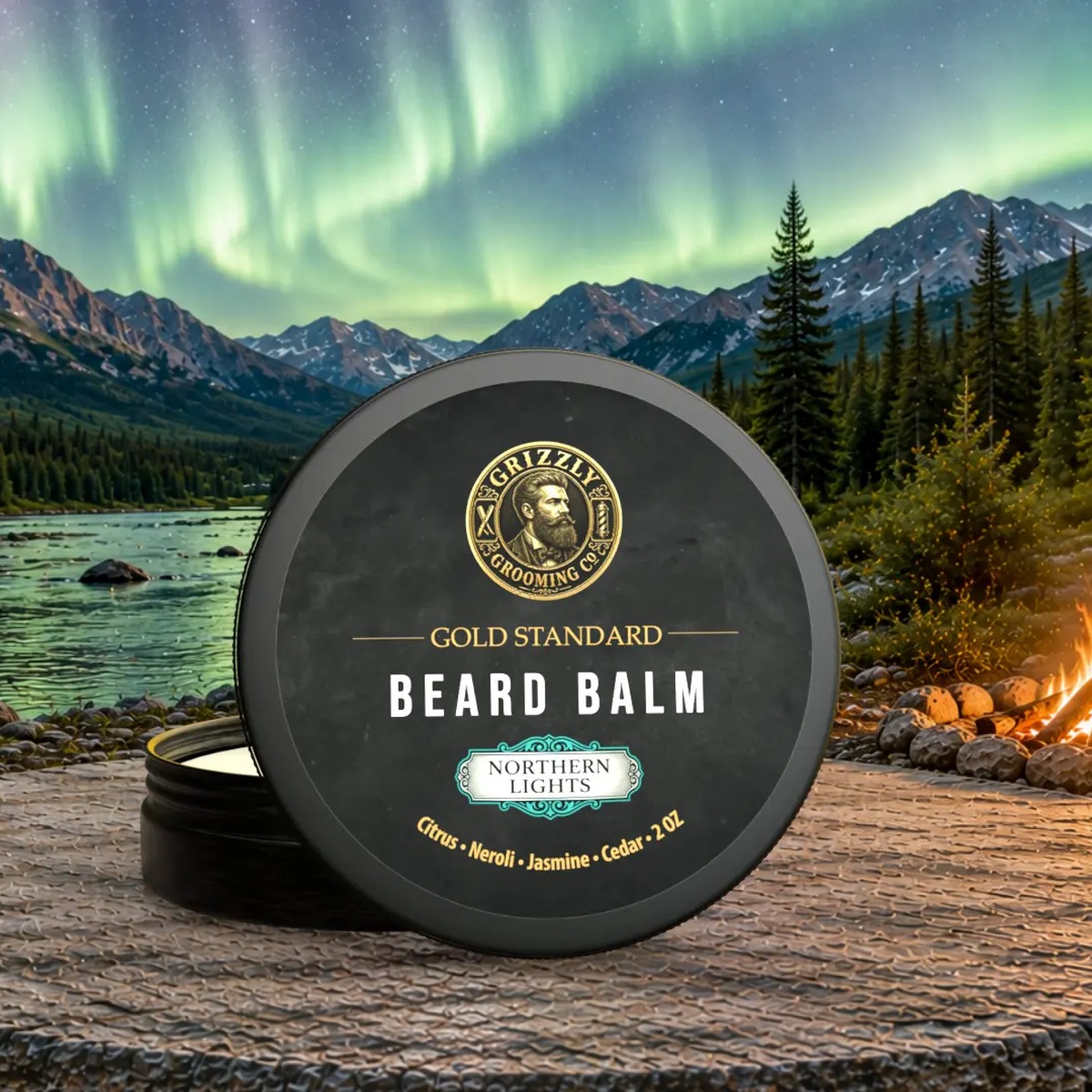
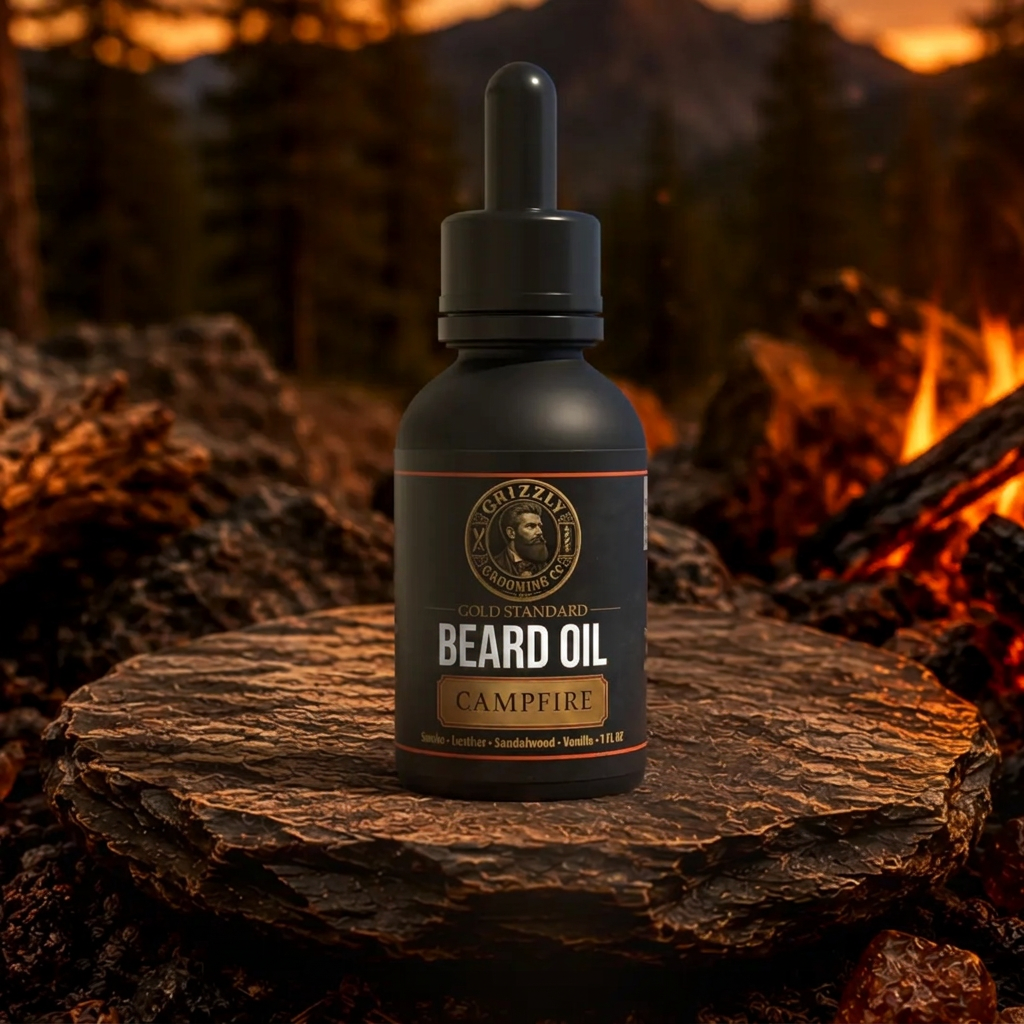
Avoid alcohol-based splashes which dehydrate the skin and cause stinging. Instead, use a high-quality balm or a light application of Grizzly Gold Standard beard oil if you are just tidying the neck lines. These products provide essential fatty acids that repair the skin's lipid barrier and prevent the tightness that often leads to post-shave itching.
Frequently Asked Questions
How often should I change my razor blades?
For sensitive skin, you should change your blade every 3 to 5 shaves. As soon as you feel a slight tug or need to repeat a stroke, the blade has lost its microscopic edge and will begin to cause nicks.
Why do I always get nicks on my neck area?
The skin on the neck is thinner and the hair often grows in swirling patterns. Focus on short strokes and use your free hand to pull the skin taut, creating a flat surface for the blade to travel across.
Can I use beard wash as a shaving cream?
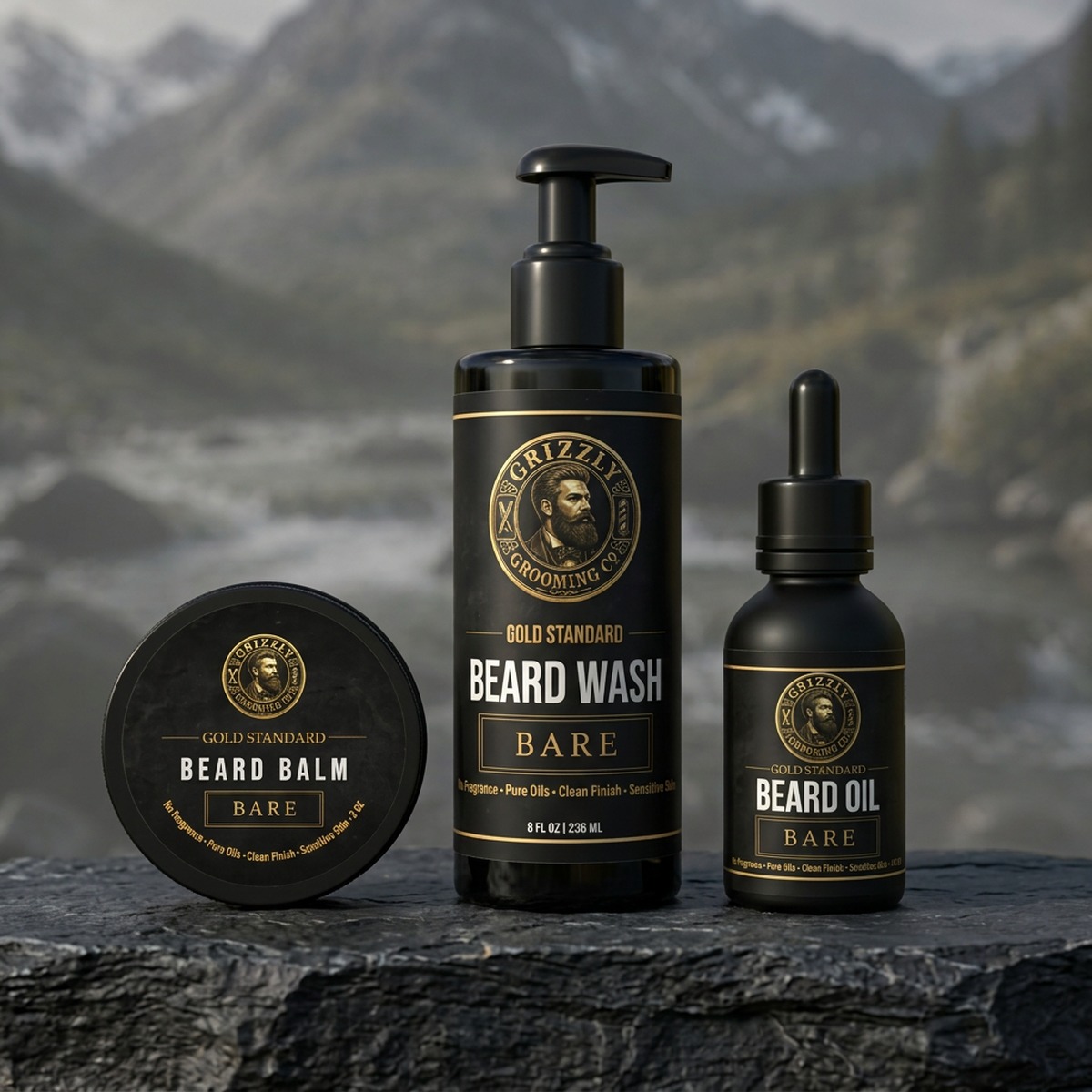
While Grizzly Gold Standard beard wash is excellent for cleaning hair, it lacks the concentrated lubricants found in dedicated shaving soaps or creams. Use a product designed to create a thick lather for maximum protection.
Build your ritual in 60 seconds.
Answer four questions and get a custom regimen — plus a 15% bundle discount.
Start The Ritual Builder