Mastering the Clean Shave: A Barber's Guide for Sensitive Skin
A clean shave should be a refined ritual, not a source of physical discomfort or aesthetic damage. For those with sensitive skin, the difference between a smooth finish and a face full of nicks lies in preparation and the discipline of technique. By adopting a barber-informed approach, you can eliminate irritation and protect the skin's natural barrier.
- ›Prioritize heat and hydration to soften the hair follicle before the blade touches your face.
- ›Always shave with the grain to minimize unnecessary tugging on sensitive pores.
- ›Use a high-quality lubricant like a natural oil to provide a protective glide layer.
- ›Maintain a sharp, clean blade and replace it every five to seven uses to ensure precision.
- ›Finish with cold water and a calming post-shave treatment to close the pores.
The Critical Importance of Pre-Shave Preparation
Most nicks and irritation occur because the hair is too rigid for the blade. A proper shave begins with at least three minutes of exposure to warm water, which softens the keratin in the hair and allows it to cut with significantly less resistance. If you aren't shaving immediately after a shower, apply a warm, damp towel to your face to achieve the same effect.
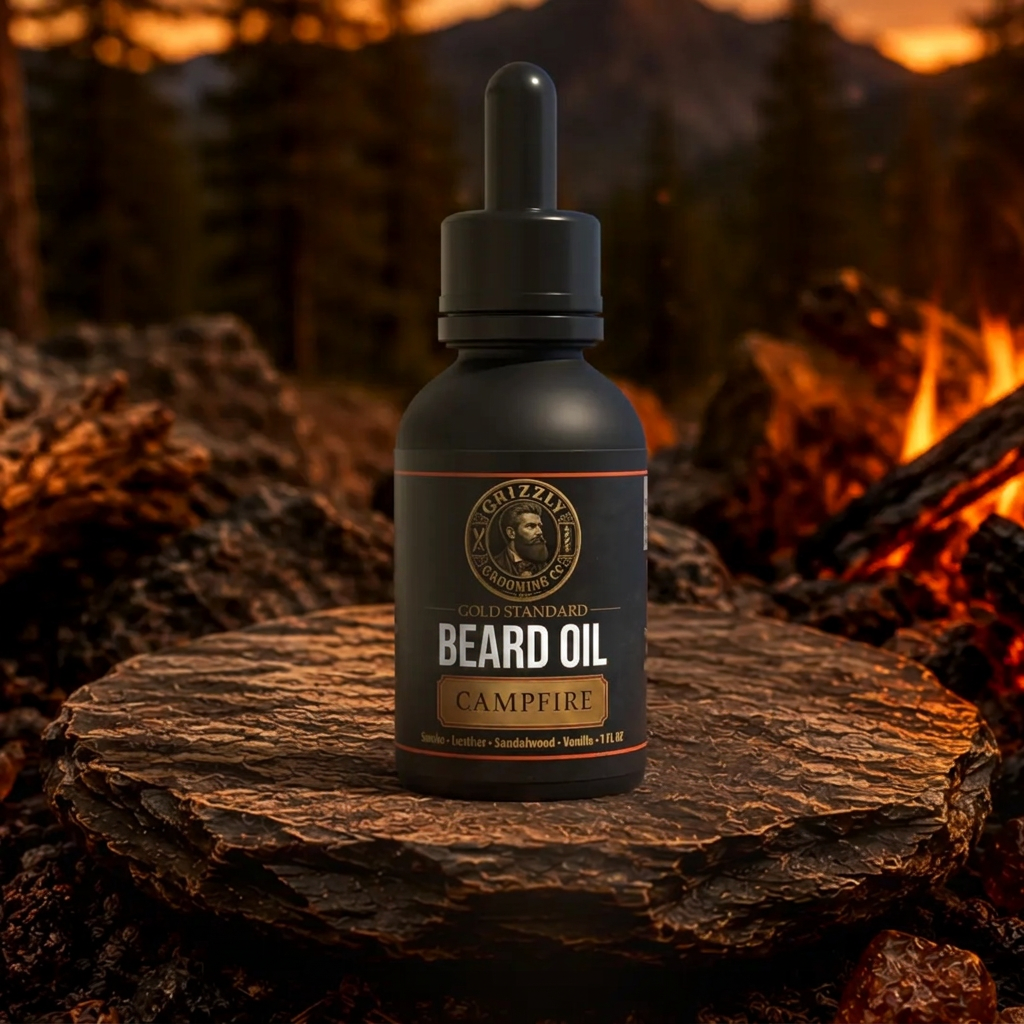
Beyond softening the hair, you must create a slick surface. Applying a thin layer of Grizzly Gold Standard beard oil prior to your shaving cream acts as a secondary lubricant. This layer fills in the microscopic peaks and valleys of your skin, allowing the razor to glide smoothly rather than catching on dehydrated tissue.
Blade Selection and Mechanical Discipline
Multi-blade cartridges often contribute to irritation because they drag across the skin more times than necessary. For sensitive skin, a single-edge safety razor or a fresh, high-quality cartridge is preferred. A sharp blade requires less pressure; if you find yourself pressing the razor into your skin, the blade is dull and should be discarded immediately.
The angle of the blade is equally vital. Maintain a 30-degree angle relative to the skin. Take short, controlled strokes rather than long sweeps. This gives you more control over the pressure and reduces the likelihood of the blade skipping, which is the primary cause of small nicks and cuts.
Mapping Your Grain and Shaving Order
Never shave against the grain during the first pass. Study the direction of your hair growth, which can change significantly on the neck and jawline. Shaving against the grain pulls the hair upward before cutting it, often leading to ingrown hairs and localized inflammation on sensitive complexions.
Begin with the easiest surfaces first, such as the cheeks and sideburns, saving the toughest hair on the chin and upper lip for last. This allows the shaving cream more time to soften the coarsest hairs. If a closer shave is desired, apply a second layer of lather and shave across the grain, but never purely against it.
The Post-Shave Recovery Protocol
Once the shave is complete, rinse your face with cold water. This helps constrict the blood vessels and calm the skin. Avoid rubbing your face with a towel; instead, pat it dry gently to prevent mechanical irritation of the freshly exfoliated skin layers.
The final step is to restore moisture. Use a specialized post-shave balm or a light application of Grizzly Gold Standard beard butter if you are maintaining a partial beard. This provides a protective barrier against external pollutants and helps the skin recover its natural oils that were stripped away during the shaving process.
Frequently Asked Questions
How often should I change my razor blades?
For sensitive skin, you should change your blade every 3 to 5 shaves. Dull blades pull at the hair rather than cutting it cleanly, which is the leading cause of redness and nicks.
Should I use shaving foam or shaving cream?
Opt for a traditional shaving cream or gel that doesn't rely on airy foam. These provide more density and lubrication, ensuring the blade stays on the surface of the skin and reducing friction.
What should I do if I get a nick during the shave?
Use a styptic pencil or an alum block to immediately stop the bleeding through vasoconstriction. Avoid covering it with a tissue, which can harbor bacteria; instead, let it air dry after the bleeding stops.
Build your ritual in 60 seconds.
Answer four questions and get a custom regimen — plus a 15% bundle discount.
Start The Ritual Builder