Mastering Scalp Care: The Definitive Guide for Sensitive Skin Types
A sensitive scalp is more than a minor annoyance; it is a sign of an unbalanced microbiome. Addressing redness, itching, and flaking requires a move away from harsh drugstore detergents toward a more disciplined, ingredient-focused regimen.
- ›Identify and eliminate harsh sulfates like SLS and SLES.
- ›Limit hair washing to two or three times per week to preserve natural oils.
- ›Prioritize pH-balanced formulas that mirror the scalp's natural acidity.
- ›Incorporate scalp-soothing botanical oils during the conditioning phase.
- ›Use lukewarm water rather than high heat to prevent moisture loss.
Understanding the Scalp Barrier
The scalp is an extension of your skin, yet it contains a higher density of hair follicles and sebaceous glands. When the acid mantle—a thin, protective layer—is disrupted by aggressive surfactants, the skin becomes vulnerable to environmental stressors and fungal overgrowth.
Men often experience sensitivity due to the use of 'all-in-one' body washes that are too alkaline for the head. Transitioning to a dedicated, high-quality shampoo is the first step in restoring the scalp's natural defense mechanism.
Ingredients to Target and Avoid
Sodium Lauryl Sulfate (SLS) is a common foaming agent that effectively strips grease but also removes the essential lipids your scalp needs to stay hydrated. For those with sensitivity, these chemicals cause micro-tears in the skin barrier, leading to the dreaded itch.
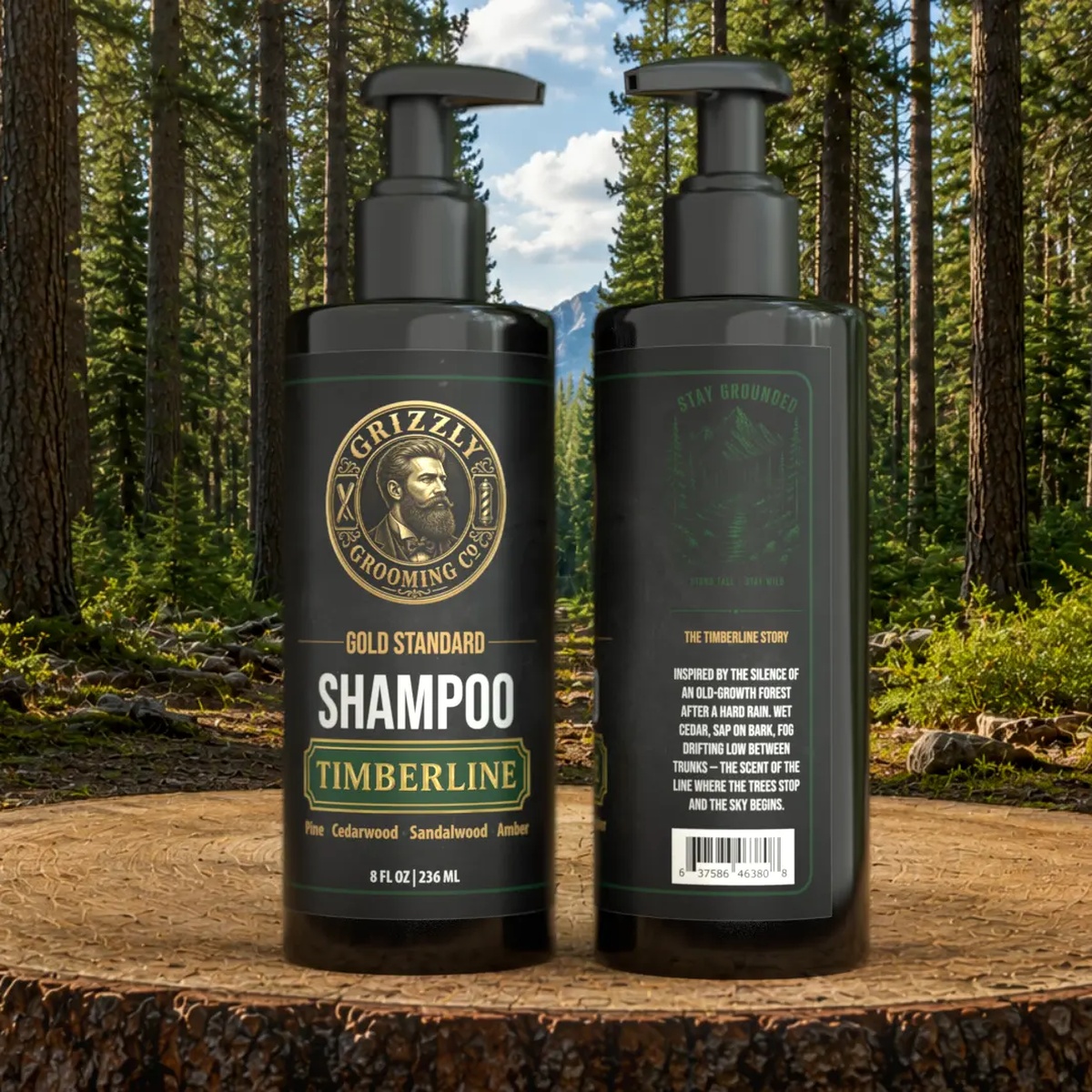
Instead, look for gentle alternatives such as decyl glucoside or coco-betaine. These cleansers provide a mild lather without the corrosive effects. Formulas enriched with aloe vera or jojoba oil, similar to those found in our hair care line, help to soothe the skin during the cleaning process.
The Frequency of the Wash
One of the most common mistakes men make is over-washing. Stripping the scalp of its sebum daily forces the glands into overproduction, which can paradoxically lead to both an oily appearance and a dry, irritated skin surface.
Aim for a cadence of every two to three days. On off-days, a simple rinse with cool water is sufficient to remove salt and sweat without disturbing the moisture balance. This allows the scalp to regulate itself naturally.
The Role of Conditioners and Oils
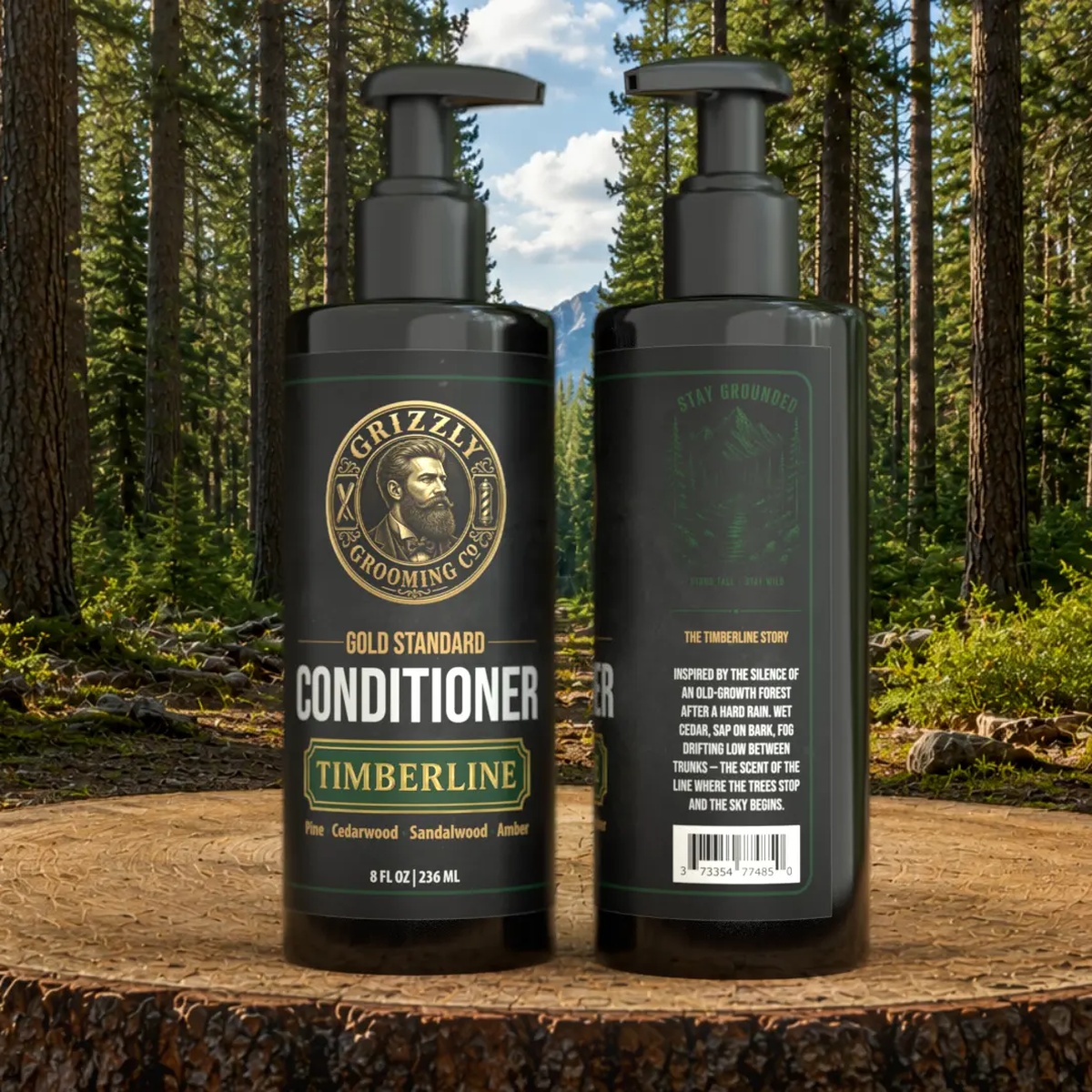
Conditioner is not optional for a sensitive scalp. While shampoo is designed to clean, a quality conditioner is designed to close the hair cuticle and rehydrate the skin. Ensure you are massaging the product into the scalp, not just the ends of the hair.
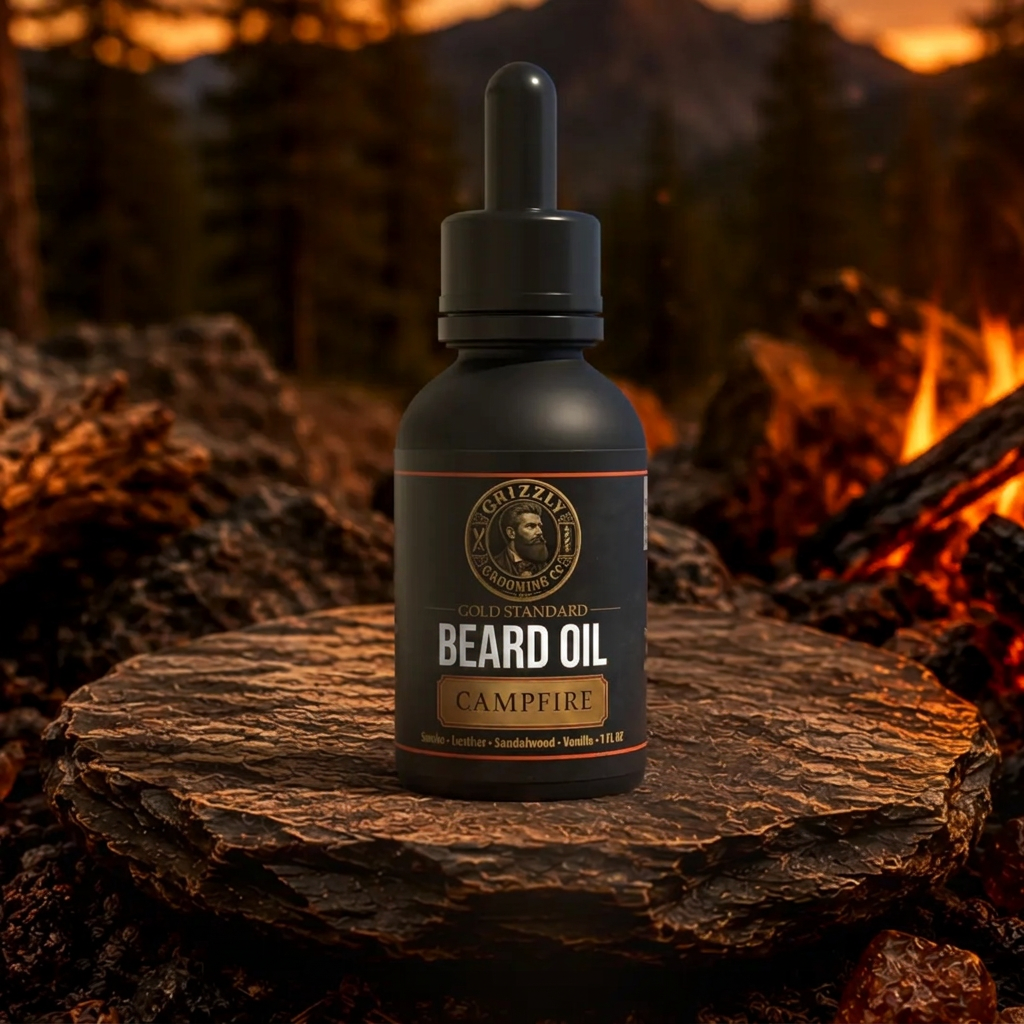
If dryness persists, a few drops of a high-quality beard oil can serve as a makeshift scalp serum. The grape seed and argan oils found in Grizzly Gold Standard beard oil are non-comedogenic and provide an immediate soothing effect to localized dry spots.
Proper Rinsing Technique
Temperature matters as much as the product itself. Hot water dilates the blood vessels and can exacerbate inflammation and redness. Always rinse with lukewarm or cool water to help seal the cuticle and calm the skin.
Ensure every trace of product is rinsed out. Residual surfactants left behind are a leading cause of contact dermatitis. Spend at least sixty seconds rinsing to ensure the scalp is completely clear of suds.
Frequently Asked Questions
Can I use beard wash on my head if my scalp is sensitive?
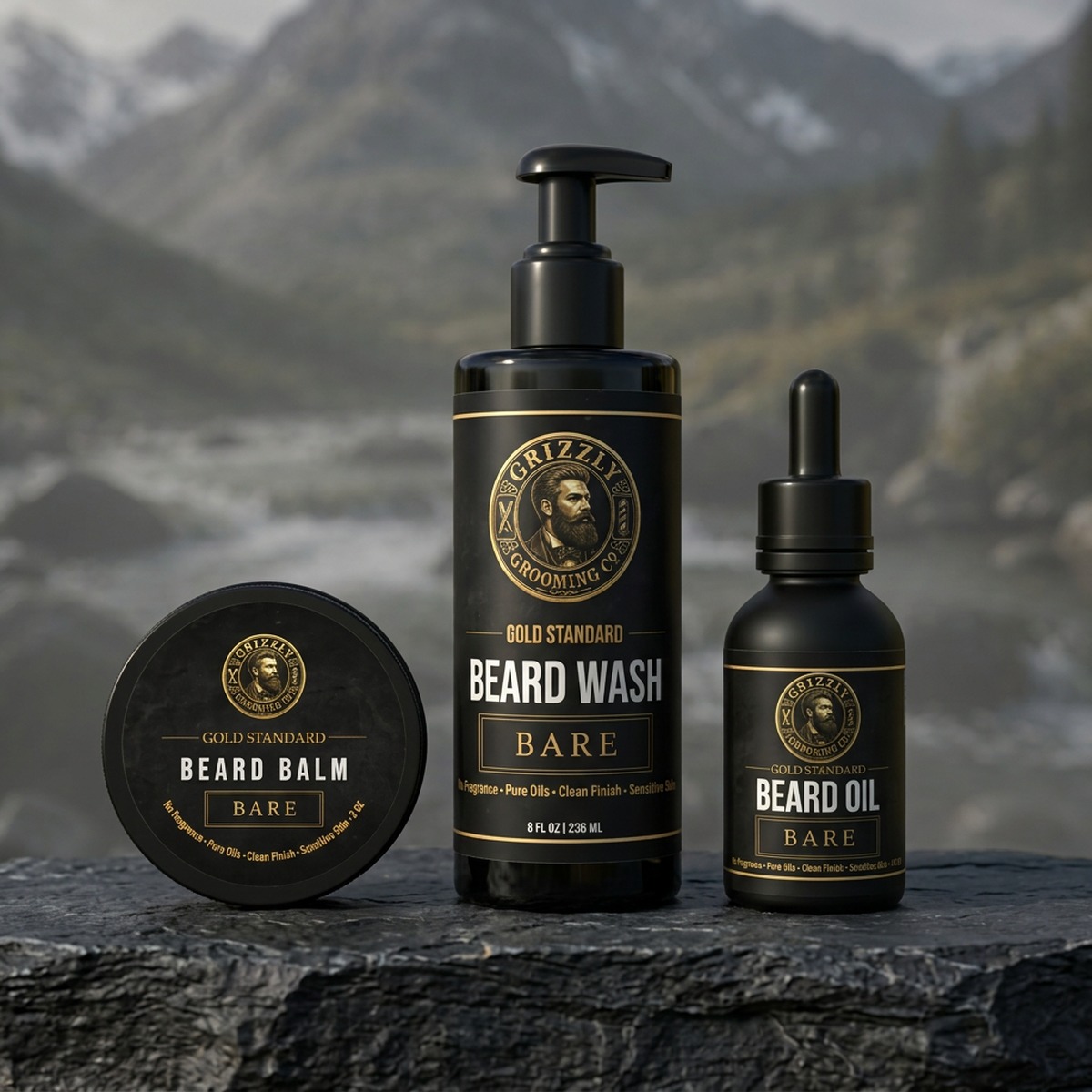
Yes, high-quality beard washes are often formulated with milder surfactants than standard shampoos. They are designed for the sensitive skin of the face, making them an excellent gentle alternative for a reactive scalp.
How can I tell the difference between dandruff and a dry scalp?
Dandruff is typically caused by an overabundance of oil and fungal activity, resulting in large, yellow-ish flakes. A dry, sensitive scalp produces smaller, white, powdery flakes and is usually accompanied by a tight sensation.
Will using a conditioner make my hair look greasy?
Not if you use a well-balanced formula and rinse thoroughly. Conditioner replaces the moisture lost during cleansing; it is essential for maintaining the elasticity of both the hair shaft and the scalp skin.
Build your ritual in 60 seconds.
Answer four questions and get a custom regimen — plus a 15% bundle discount.
Start The Ritual Builder