Mastering Fragrance Layering: A Sophisticated Guide to Scent Profile Crafting
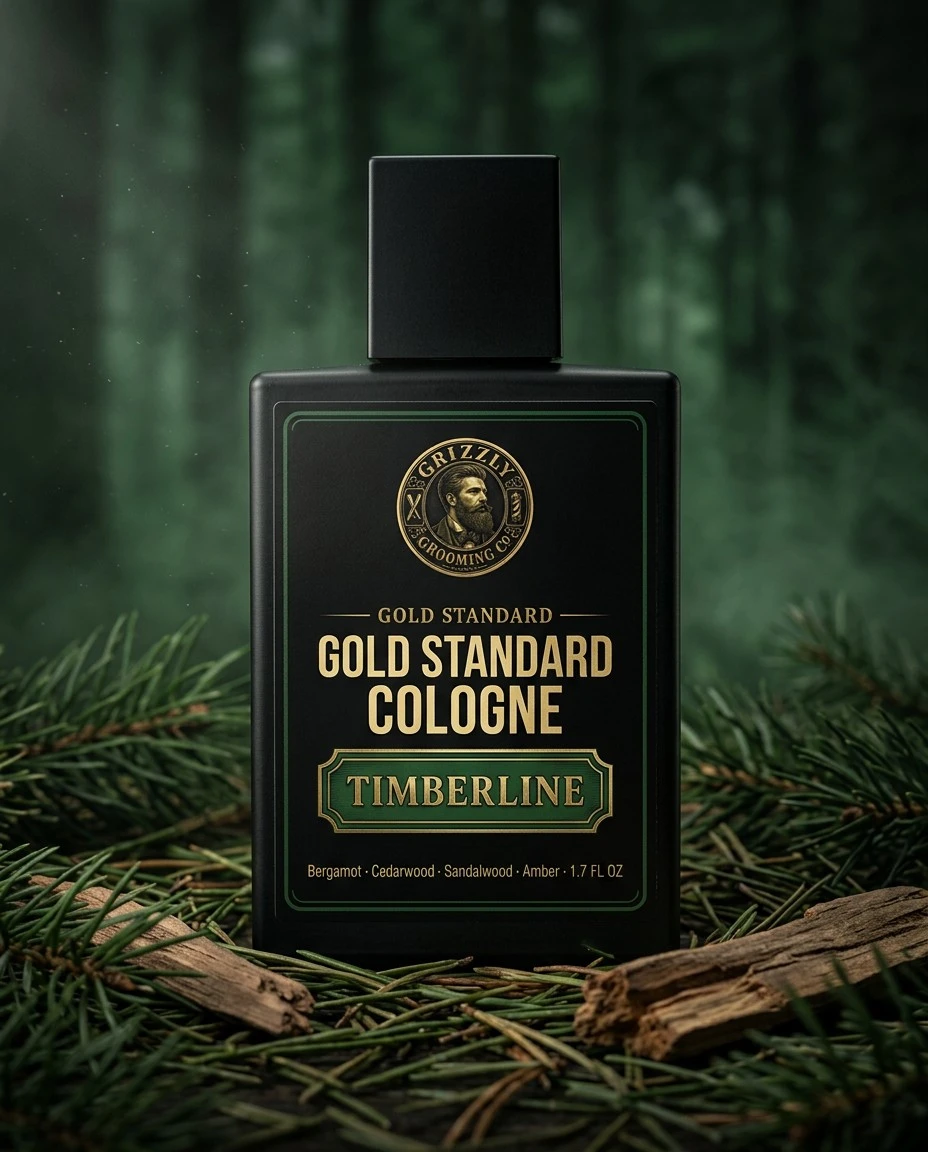
The modern grooming ritual extends beyond the skin and hair; it is defined by how you carry your presence into a room. Mastering the art of cologne layering allows you to move away from off-the-shelf scents and toward a custom profile that evolves with your body heat.
- ›Always start with your heaviest base notes first to ensure longevity.
- ›Complement your cologne with scented body wash and deodorant for a cohesive foundation.
- ›Avoid clashing families by staying within similar olfactory groups like woody or citrus.
- ›Limit yourself to two distinct spray fragrances to prevent olfactory fatigue.
- ›Apply lighter scents to pulse points last to allow them to project naturally.
Establishing a Consistent Foundation
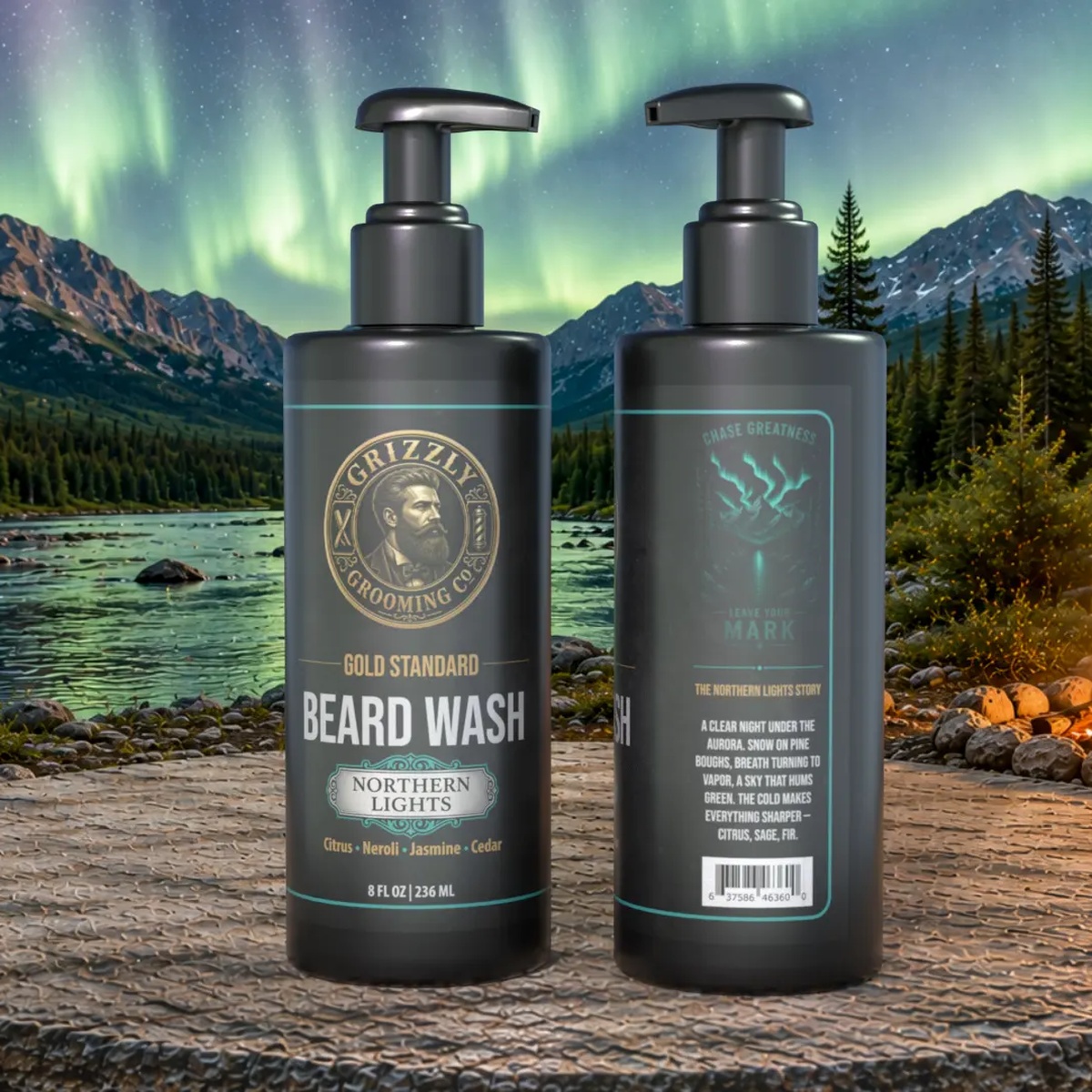
Scent construction begins in the shower, not at the dresser. Using a high-quality body wash with notes of cedarwood or sandalwood creates a subtle base layer that clings to the skin without overwhelming it.
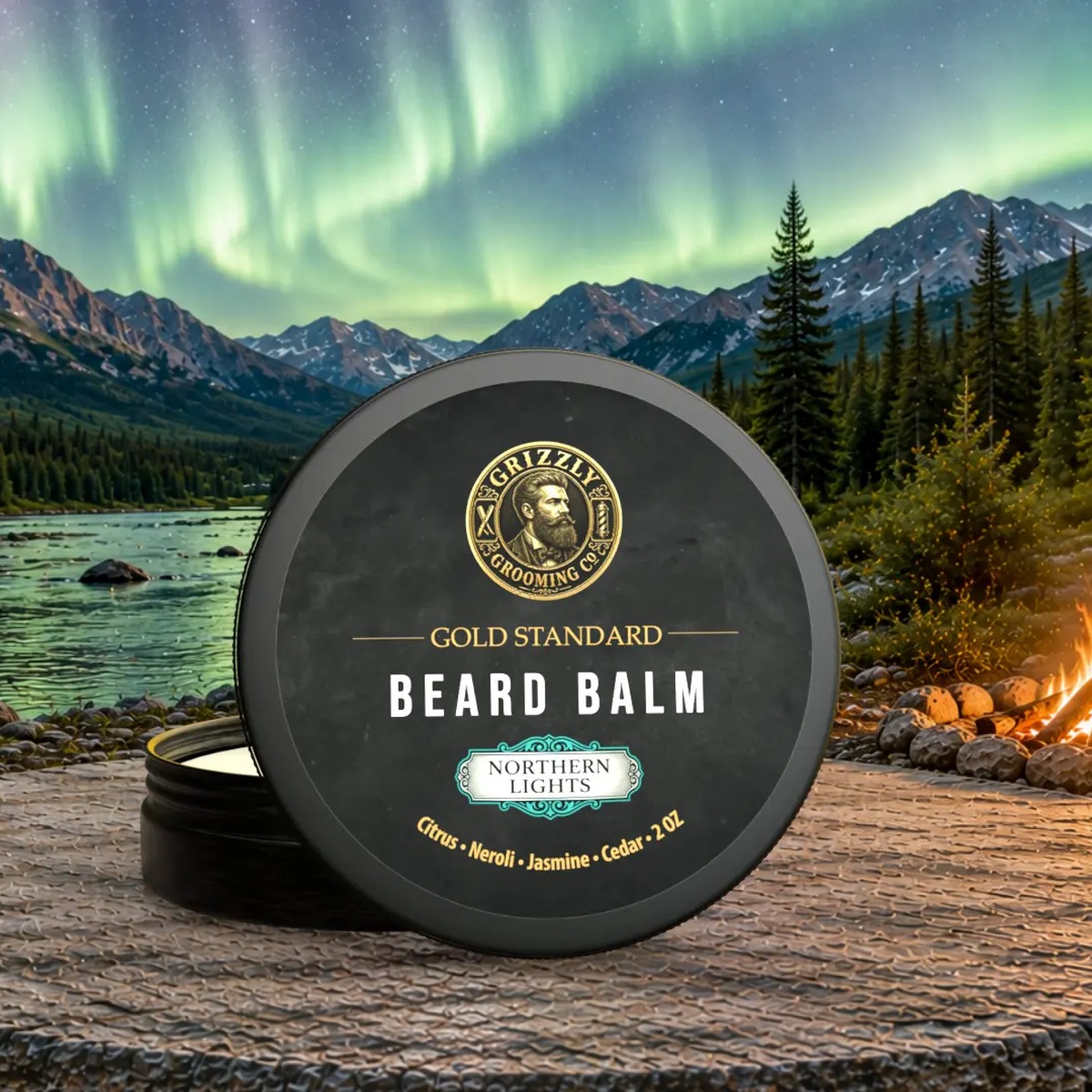
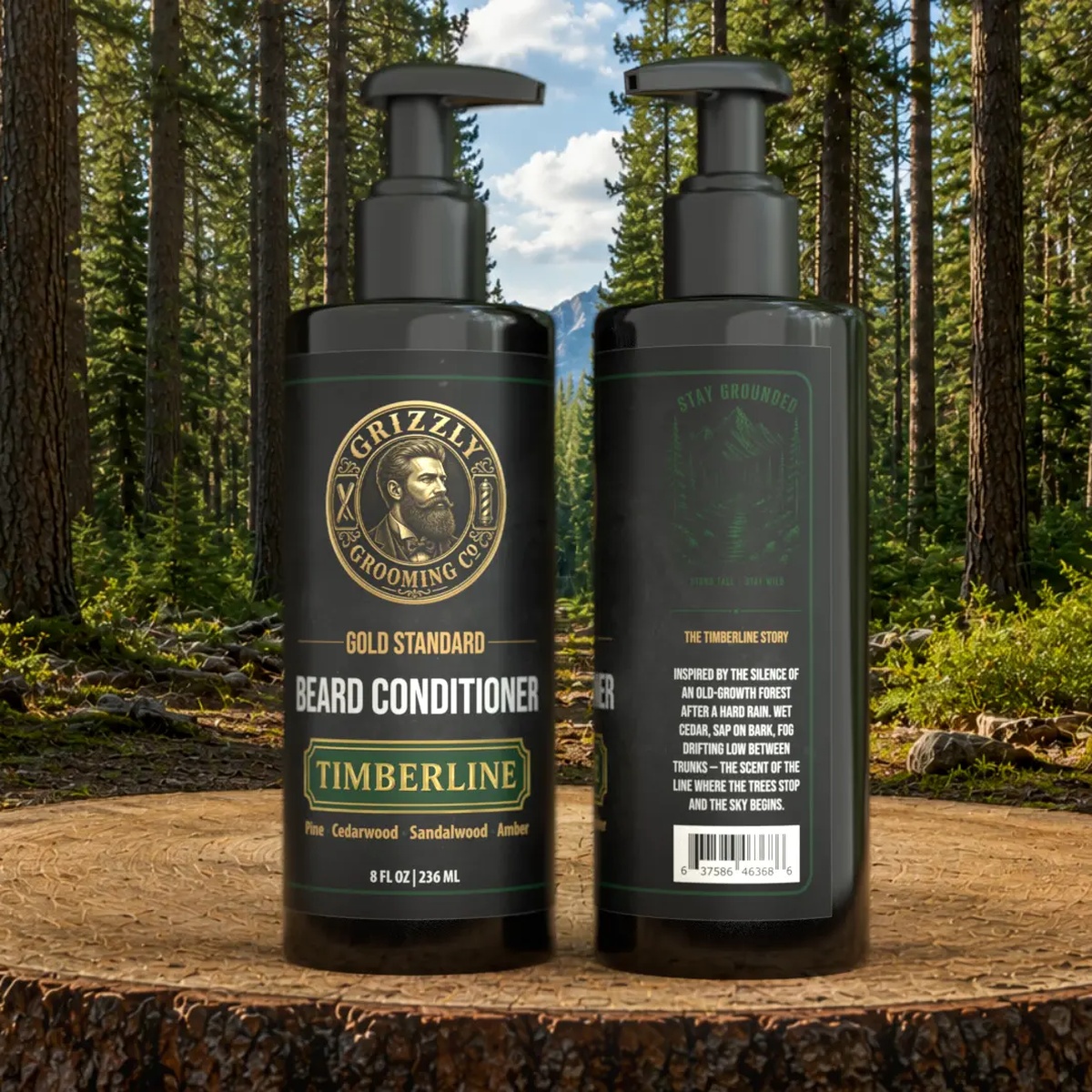
Consistency is key when layering hygiene products. A Grizzly Gold Standard deodorant that mirrors the woody or fresh profile of your intended cologne prevents competing scents from creating a muddy or confusing aroma.
Hydrated skin holds fragrance longer than dry skin. Applying a neutral or lightly scented moisturizer before your cologne provides a surface for the oils to bind to, effectively extending the life of your top and middle notes.
The Mechanics of Fragrance Families
To layer successfully, you must understand the four primary scent families: Woody, Oriental, Fresh, and Floral. For beginners, it is safest to layer within the same family or combine a 'Fresh' scent with a 'Woody' base.
Heavy notes like leather, tobacco, and musk should always be applied first. These molecules are larger and evaporate slowly, providing the structural integrity for the lighter citrus or aquatic notes you may choose to spray on top.
Avoid mixing two complex, heavy fragrances. If you are using a bold, spicy cologne, pair it with a simpler, linear scent such as a clean citrus or a single-note sandalwood to add brightness without causing scent conflict.
Strategic Application and Timing
The sequence of application dictates the scent's evolution. Apply your primary, heavier fragrance directly to the skin at the pulse points—the wrists and the neck. Wait approximately thirty seconds for the alcohol to evaporate before adding the second layer.
Do not rub your wrists together after application. This friction creates heat that can break down the delicate top notes of a fragrance, particularly when you are trying to meld two different scents together.
Concentration matters. If you are layering an Eau de Parfum with an Eau de Toilette, the Parfum must go on first due to its higher oil concentration. This ensures the lighter EDT can project off the more stable base.
Developing Your Signature Profile
A signature scent is not static; it should reflect the environment and the season. In cooler months, emphasize the heavier base layers of oud or leather. In warmer months, let the brighter, citrus-forward layers take precedence.
Experimentation should be methodical. Test your combinations on a scent strip or a small patch of skin at home before committing to the blend for a full day. Take note of how the scent settles after two and four hours.
True sophistication in grooming comes from subtlety. The goal of layering is not to increase the volume of your scent, but to increase its depth. If people can smell you from five feet away, you have applied too much.
Frequently Asked Questions
Can I layer cologne with scented beard oil?
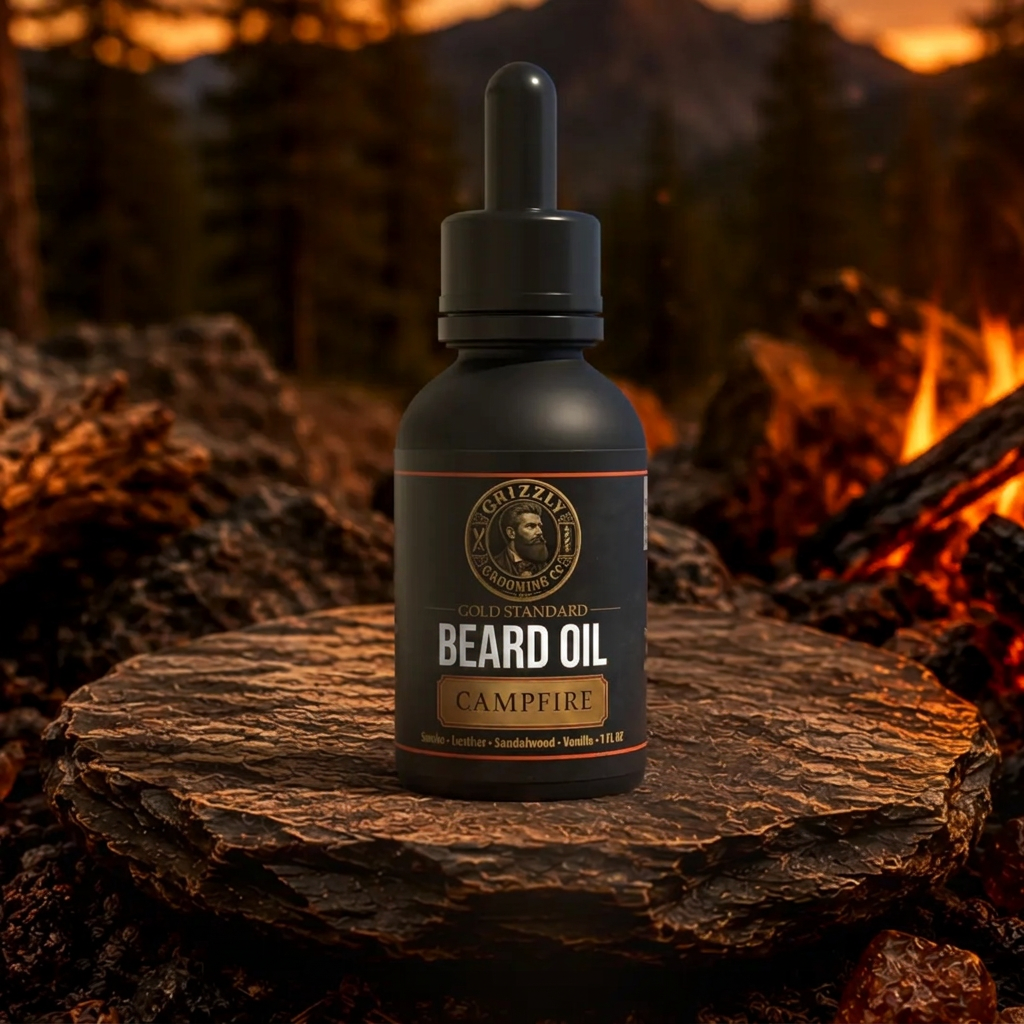
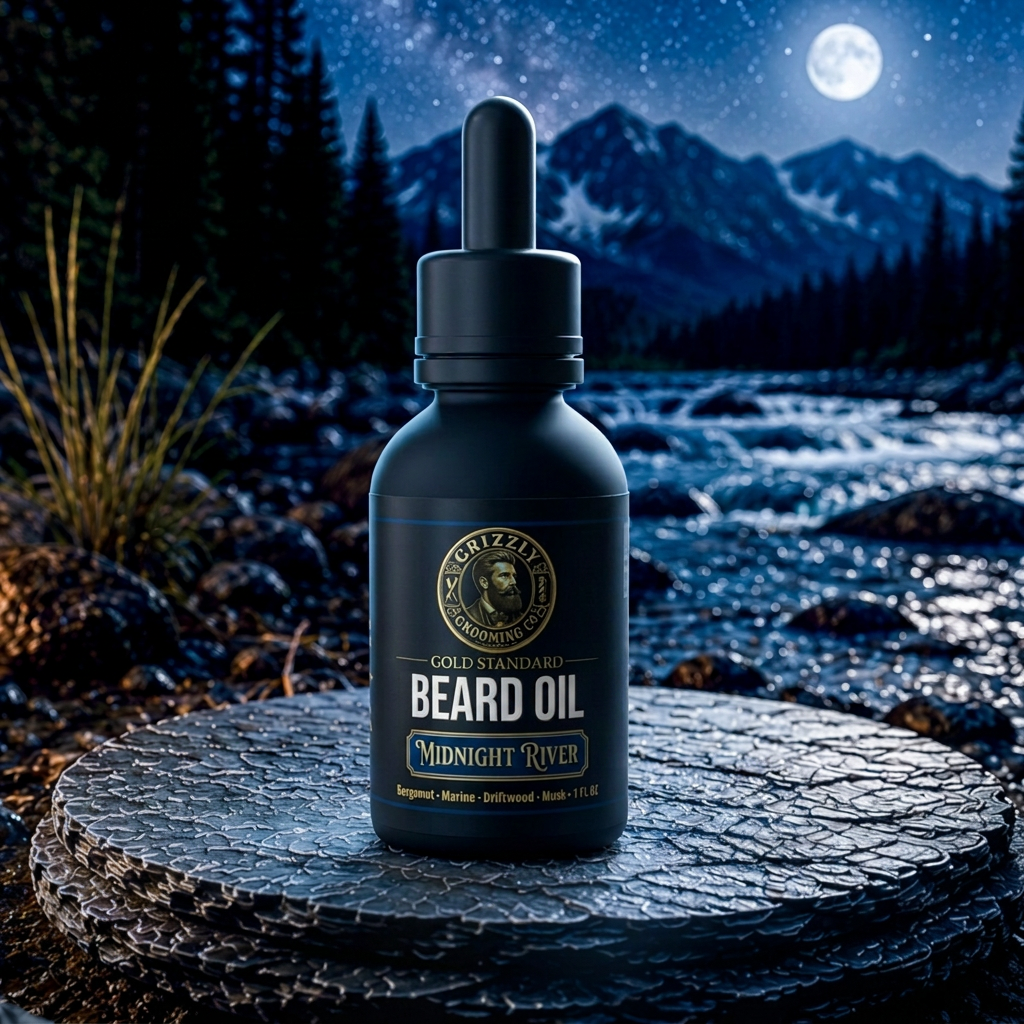
Yes, but you should treat your beard oil as a base note. Since most beard oils contain wood or earth-based scents, choose a cologne that complements those organic tones rather than one that competes with them.
How many sprays is too many when layering?
When layering, you should still stick to a total of three to four sprays. Split these between your two fragrances—for example, two sprays of your base scent and one or two of your lighter accent scent.
Do I need to layer scents every day?
Layering is a choice of style, not a requirement. It is best reserved for occasions where you want a unique presence or when your primary cologne feels one-dimensional and needs a boost of character.
Build your ritual in 60 seconds.
Answer four questions and get a custom regimen — plus a 15% bundle discount.
Start The Ritual Builder