
A Professional Guide to Managing Early Hairline Recession and Renewal
A maturing hairline is often the first sign of a changing follicular landscape, but it does not have to signal the end of your style. Identifying recession early allows for a strategic approach that prioritizes scalp health and hair density. By focusing on professional maintenance and informed product choices, you can effectively manage the rate of change and preserve your silver-grade aesthetic.
- ›Identify the difference between a maturing hairline and active recession.
- ›Prioritize scalp health by reducing DHT-sensitive buildup and inflammation.
- ›Utilize mechanical stimulation and nutrient-dense topical treatments.
- ›Incorporate professional-grade shampoos and conditioners to strengthen fibers.
- ›Evaluate lifestyle factors including stress management and dietary intake.
Distinguishing Maturation from Active Recession
In the barber's chair, we often see men concerned about a shifting hairline that is simply 'maturing.' A mature hairline typically settles about a finger's width above the highest juvenile crease. If the recession is concentrated at the temples and follows an 'M' shape, you are likely looking at the early stages of male pattern baldness.
Observation is your best tool. Track the density of the hair at the perimeter over a six-month period. If you notice miniaturization—where hair becomes finer, shorter, and less pigmented before disappearing—it is time to adjust your grooming ritual. Early intervention is significantly more effective than attempting to revive dormant follicles later.
The Foundation of Scalp Hygiene
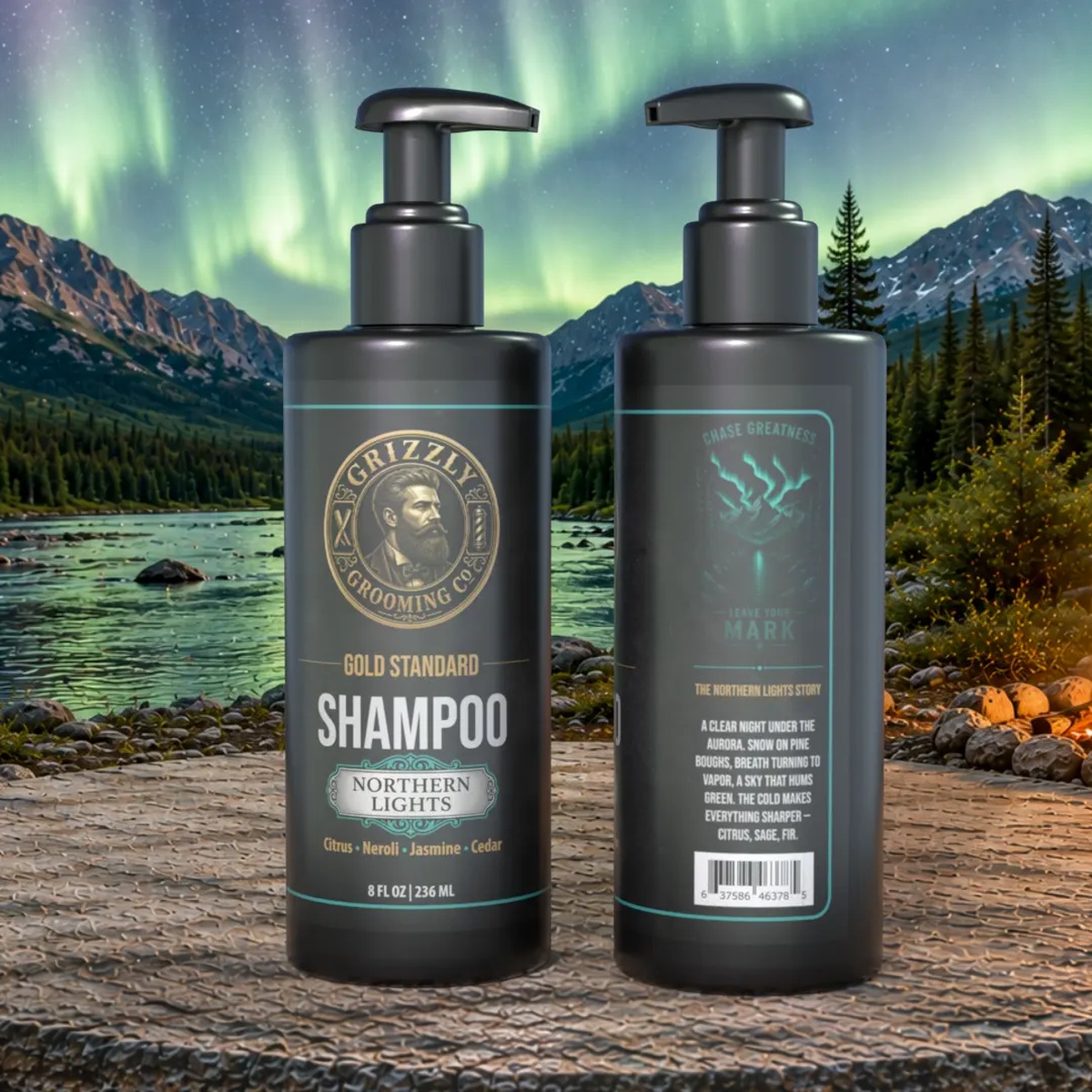
Health begins at the root. A scalp burdened by excess sebum, environmental pollutants, and product buildup creates an environment where follicles struggle to thrive. Using a high-quality shampoo twice to three times a week ensures the scalp remains clear without stripping the essential oils that protect the skin barrier.
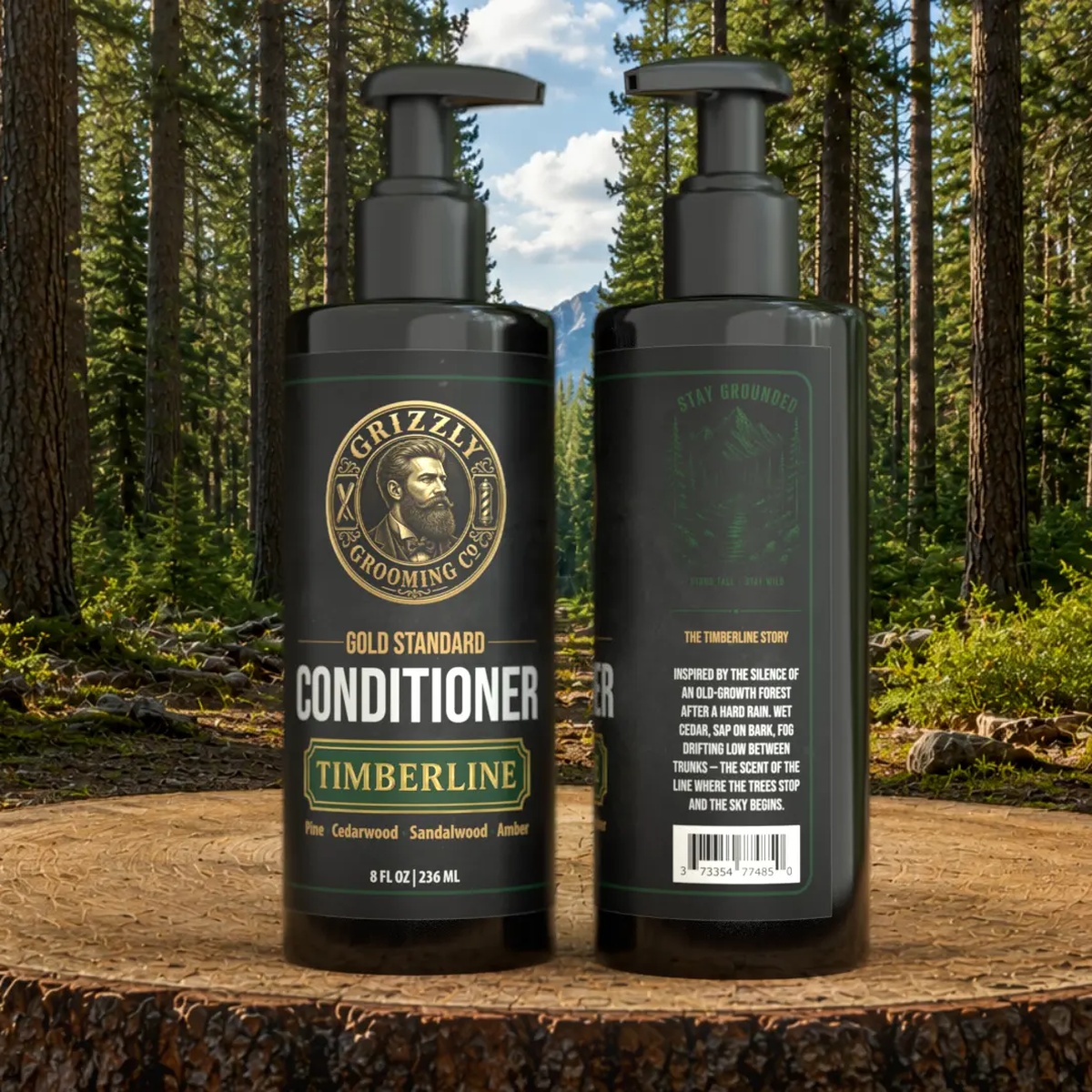
Follow every wash with a dedicated conditioner. While many men skip this step, a professional-grade conditioner provides the slip necessary to prevent mechanical breakage during styling and delivers hydration to the hair shaft. This reinforces the structure of existing hair, making the overall profile look denser and more resilient.
Stimulation and Blood Flow Rituals
Blood flow is the delivery system for the nutrients your hair requires to grow. Mechanical stimulation through scalp massage can encourage vasodilation, ensuring that oxygen and minerals reach the papilla. Spend four minutes daily using your fingertips to move the scalp skin in circular motions, focusing on the frontal and parietal regions.
Pairing this physical ritual with ingredients like caffeine or peppermint oil can provide a structural boost. While topicals are not magic, they assist in creating the optimal localized environment for hair retention. This is about incremental gains; consistency over months is what yields visible results in the mirror.
Managing Internal and External Stressors
Cortisol, the body’s primary stress hormone, can push hair follicles into a resting phase known as telogen effluvium. While genetic recession is the primary driver, chronic stress accelerates the timeline. Incorporating a sophisticated scent profile, such as our wood-inspired cologne or body wash, can transform a standard shower into a grounding ritual that lowers systemic tension.
Dietary defaults also play a role. Ensure your intake includes sufficient biotin, zinc, and iron. These are the building blocks of keratin. Without the proper raw materials, your body will deprioritize hair growth in favor of essential organ function, leading to thinner strands and increased shedding at the hairline.
Styling for Density and Preservation
The way you style your hair can either protect or punish your hairline. Avoid high-tension styles that pull on the roots, which can lead to traction alopecia. Instead, use lightweight styling products that provide volume without weighing the hair down or causing it to clump together, which reveals more of the scalp.
When drying, pat the hair with a towel rather than rubbing vigorously. Wet hair is in its most fragile state, and rough handling can snap thinning hairs at the root. If you use heat, keep the dryer on a medium setting and keep it moving to avoid thermal damage to the scalp and the delicate hair at the temples.
Frequently Asked Questions
Can a receding hairline actually be stopped?
While genetics play a major role, you can significantly slow the process through proper scalp hygiene, DHT-blocking topicals, and healthy lifestyle choices. The goal is to maximize the health of existing follicles to maintain current density for as long as possible.
How often should I wash my hair if it is thinning?
Aim for 2-3 times per week with a gentle, professional shampoo. Washing too often can dry out the scalp, while washing too little allows DHT-rich sebum to sit on the follicles, potentially exacerbating the thinning process.
Does wearing a hat cause a receding hairline?
Generally no, unless the hat is so tight that it causes constant tension or friction on the hair follicles (traction alopecia). Ensure your headwear is fitted comfortably and that you maintain a clean scalp to avoid sweat-induced irritation.
Build your ritual in 60 seconds.
Answer four questions and get a custom regimen — plus a 15% bundle discount.
Start The Ritual Builder