A Professional Guide to Managing Early Hairline Recession
The first signs of a receding hairline are often subtle, manifesting as thinning at the temples or a slight shift in the frontal border. Success in maintaining your hair density depends on early intervention and a disciplined approach to scalp physiology rather than reactive panic.
- ›Identify the difference between a maturing hairline and active androgenetic alopecia.
- ›Prioritize scalp health by removing sebum buildup with a professional-grade shampoo.
- ›Reduce mechanical stress and heat damage that weakens the hair shaft.
- ›Support follicular function through nutrient-dense topical and internal care.
- ›Consult a specialist early to discuss clinically proven DHT management options.
Distinguishing Between Maturation and Recession
Before implementing a treatment protocol, it is essential to determine if your hairline is actually receding or simply maturing. A maturing hairline typically moves back about one centimeter above the top forehead crease and is a natural transition for most men in their twenties.
Active recession is characterized by uneven thinning, miniaturization of hairs at the temples, and a distinct 'M' shape that continues to migrate backward. Observation over a six-month period with consistent photography is the most reliable way to track these changes without bias.
The Critical Role of Scalp Hygiene
Hair cannot thrive in a congested environment. Excess sebum, sweat, and environmental pollutants can lead to inflammation, which is a known catalyst for follicular miniaturization. A clean scalp provides the foundation for healthy growth cycles.
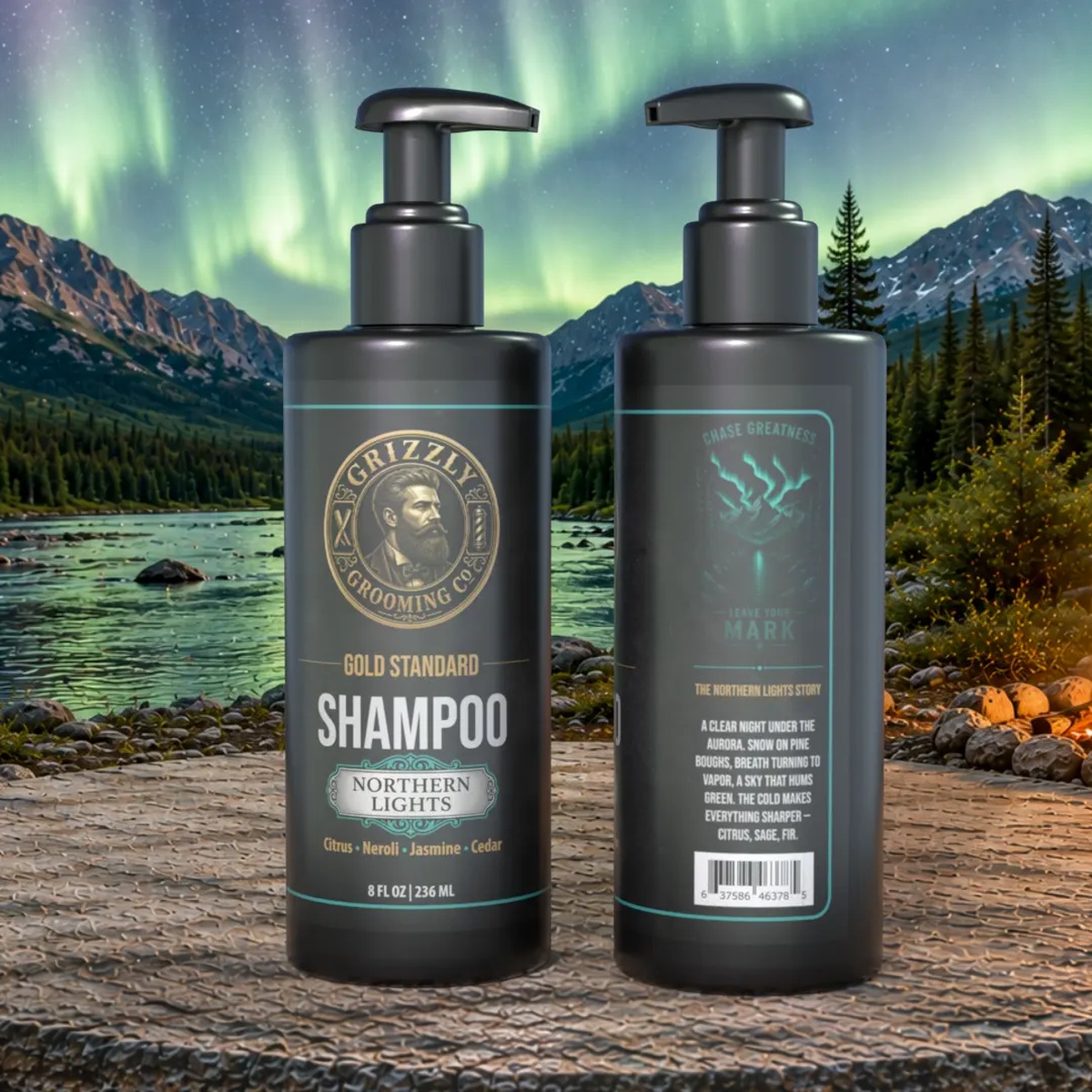
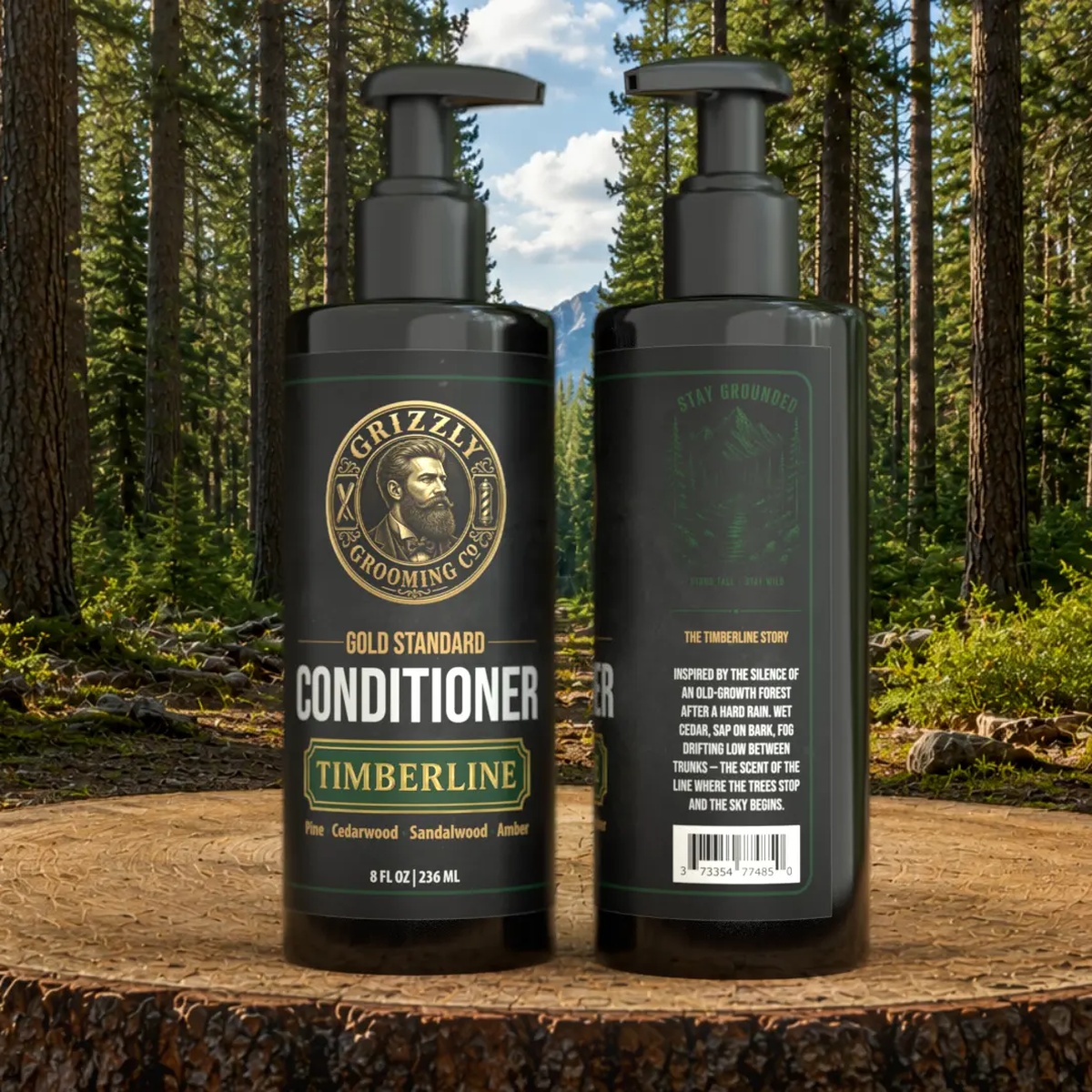
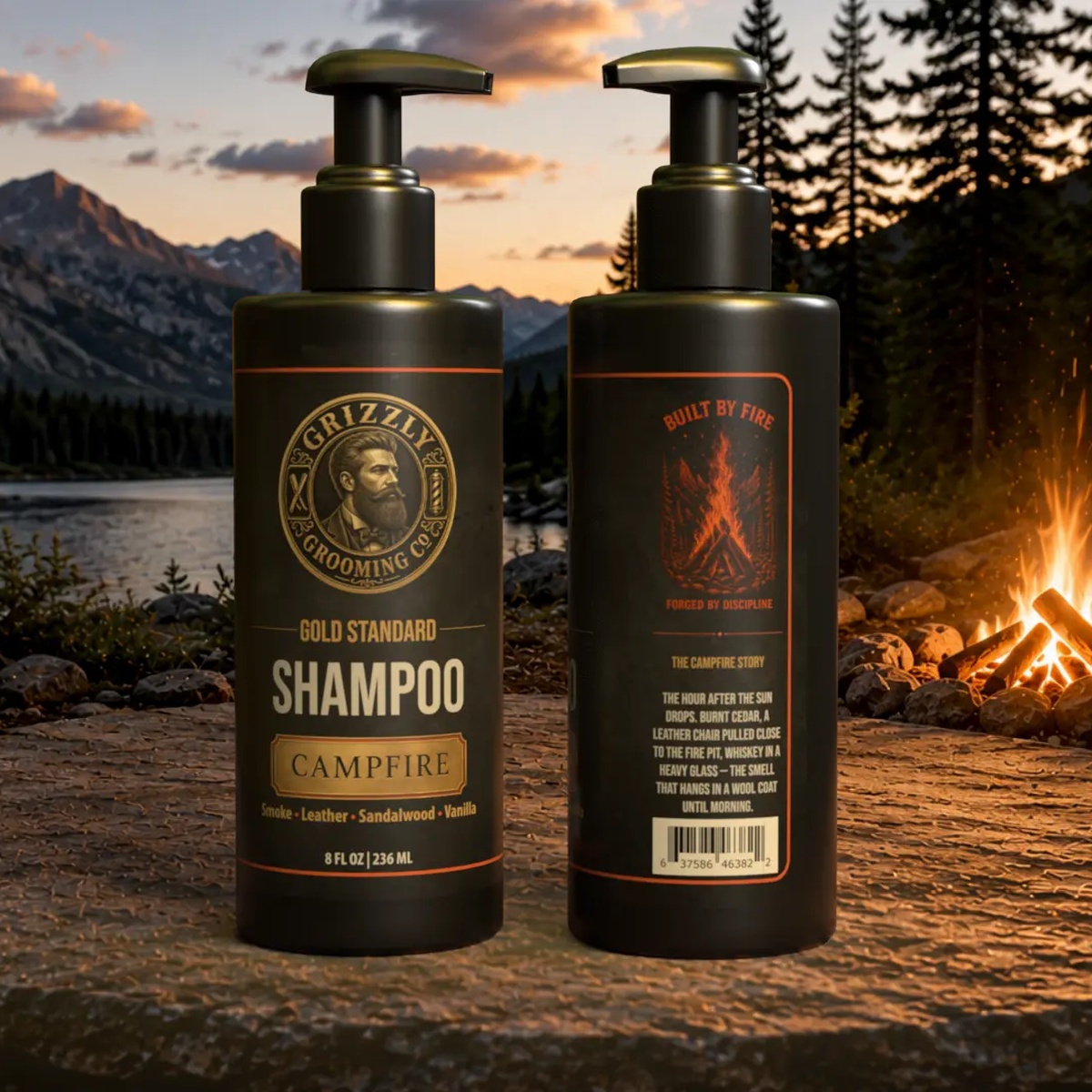
Using a high-quality shampoo and conditioner, such as the Grizzly Gold Standard set, ensures that you are removing DHT-laden oils without stripping the scalp of its natural protective barrier. Look for formulations that prioritize scalp health over aggressive detergents.
Mitigating Mechanical and Thermal Stress
Many men inadvertently accelerate hair thinning through poor styling habits. High-heat blow drying at close range can dehydrate the hair shaft, making it brittle and prone to breakage near the root, which mimics the appearance of recession.
Similarly, avoid hairstyles that create constant tension on the frontal follicles, known as traction alopecia. If you use styling products, ensure they are water-soluble to avoid heavy buildup that requires excessive scrubbing to remove, as this mechanical friction can pull out vulnerable hairs.
Biological Support and DHT Management
Dihydrotestosterone (DHT) is the primary hormone responsible for shrinking hair follicles in men genetically predisposed to male pattern baldness. Managing this hormone is the most effective way to stop recession at the source.
While pharmaceutical options like Finasteride are common, you can also support your scalp topically. Ingredients like saw palmetto, caffeine, and rosemary oil have shown promise in supporting blood flow and blocking DHT receptors when used consistently as part of a daily ritual.
The Impact of Nutrition and Blood Flow
Follicles are some of the most metabolically active tissues in the body, requiring a steady supply of vitamins and minerals. Deficiencies in iron, zinc, and Vitamin D are frequently linked to premature thinning and should be addressed through a clean, protein-rich diet.
Scalp massages are a functional tool to increase localized blood flow. By physically stimulating the scalp for five minutes daily, you encourage nutrient delivery to the hair bulb, which can help maintain the diameter of the hair shaft during the growth phase.
Frequently Asked Questions
Can a receding hairline actually grow back?
Regrowth depends on the status of the follicle; if a follicle has completely miniaturized and scarred over, hair will not regrow. However, if the hair is merely thinning, clinical treatments and improved scalp health can often revitalize the follicle and increase hair density.
How often should I wash my hair if it is thinning?
Washing every two to three days is generally recommended. This frequency is enough to remove the sebum that contains DHT while preventing the dryness and breakage that can occur from over-washing.
Does wearing a hat cause the hairline to recede?
Wearing a hat does not cause genetic hair loss, but a hat that is excessively tight can cause traction alopecia or irritate the scalp. Ensure your headwear is clean to avoid fungal or bacterial buildup that could compromise scalp health.
Build your ritual in 60 seconds.
Answer four questions and get a custom regimen — plus a 15% bundle discount.
Start The Ritual Builder