A Professional Guide to Managing and Slowing Early Hairline Recession
The first signs of a receding hairline often go ignored until the shift becomes significant. Early intervention is not about panic, but about adopting a disciplined grooming ritual that prioritizes scalp health and follicular integrity.
- ›Switch to a sulfate-free shampoo to preserve natural scalp oils
- ›Incorporate regular scalp massage to increase blood circulation
- ›Monitor follicular miniaturization rather than just hair fall
- ›Prioritize nutrient-dense topical treatments over harsh chemicals
- ›Maintain consistent hydration and a balanced protein intake
Understanding Follicular Miniaturization
Hairline recession usually begins with a process called miniaturization. This occurs when Dihydrotestosterone (DHT) binds to receptors in the hair follicles, causing them to shrink over time and produce thinner, shorter strands until they eventually stop producing hair altogether.
To stop this process early, it is vital to differentiate between temporary shedding and permanent thinning. Check the diameter of the hairs along your hairline; if they appear finer and lighter than the hair at the back of your head, the miniaturization process has likely begun.
The Role of Scalp Hygiene
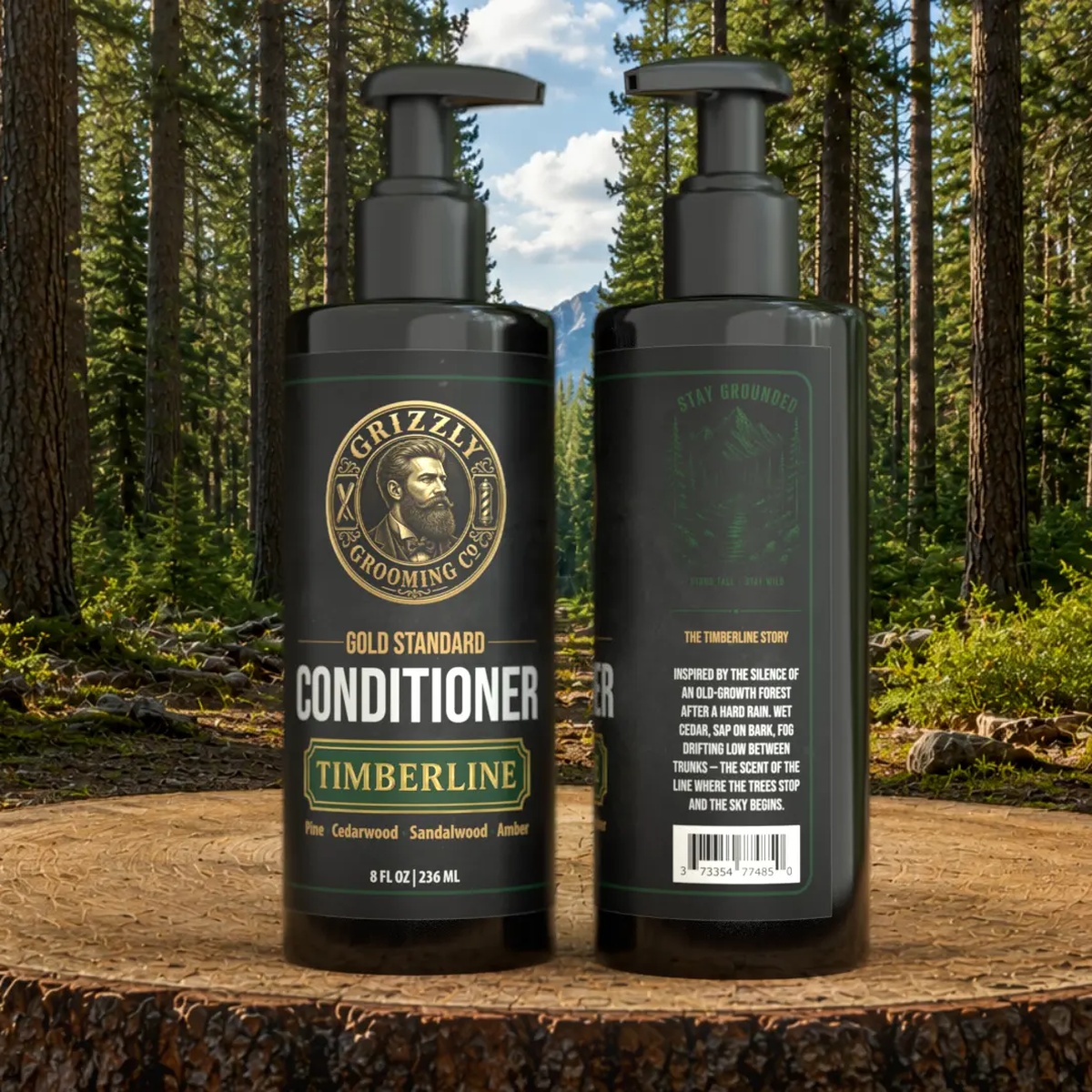
A healthy hairline starts with the environment it grows in. Using a high-quality shampoo and conditioner free from harsh sulfates is the first line of defense. Sulfates strip the scalp of essential lipids, leading to irritation that can exacerbate hair thinning.
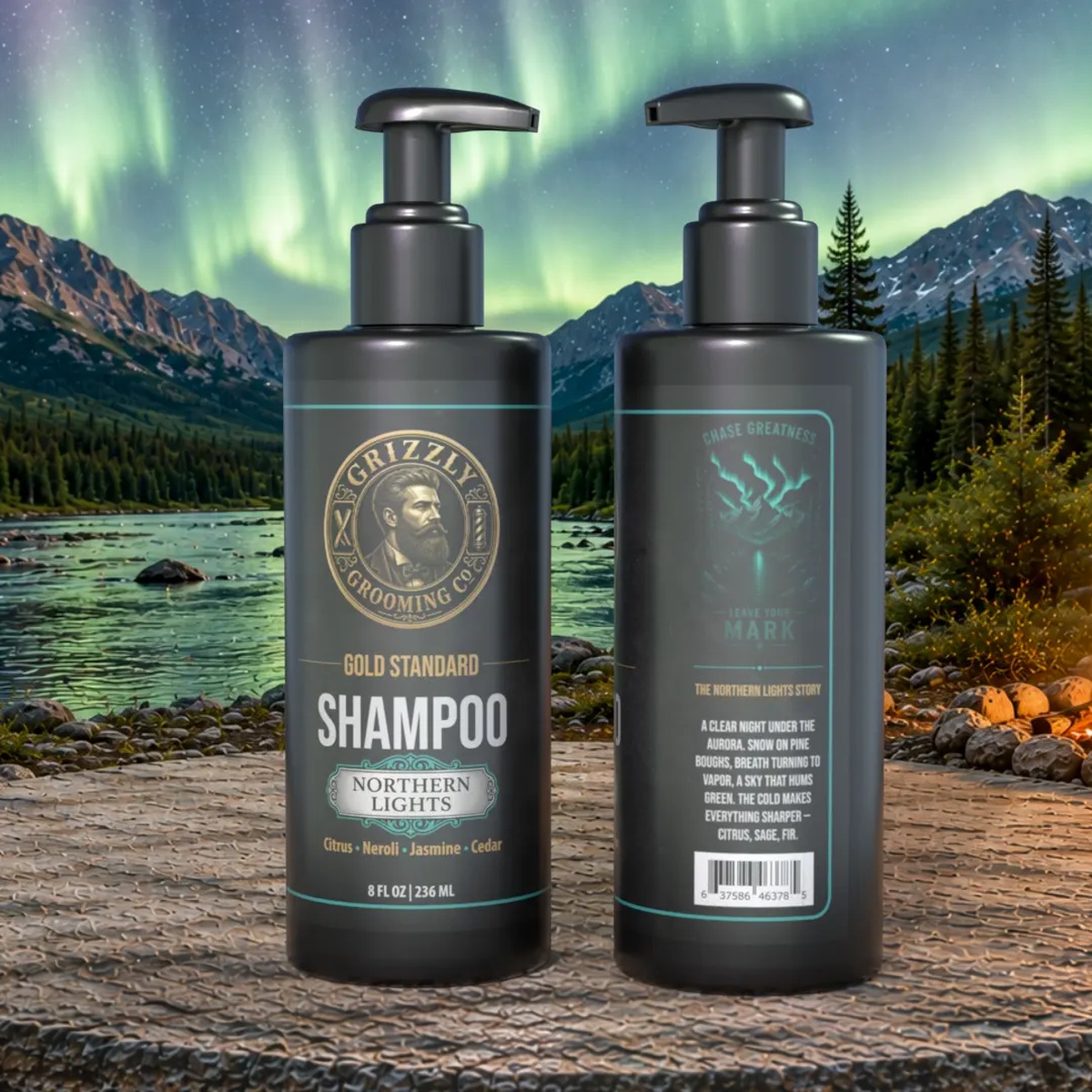
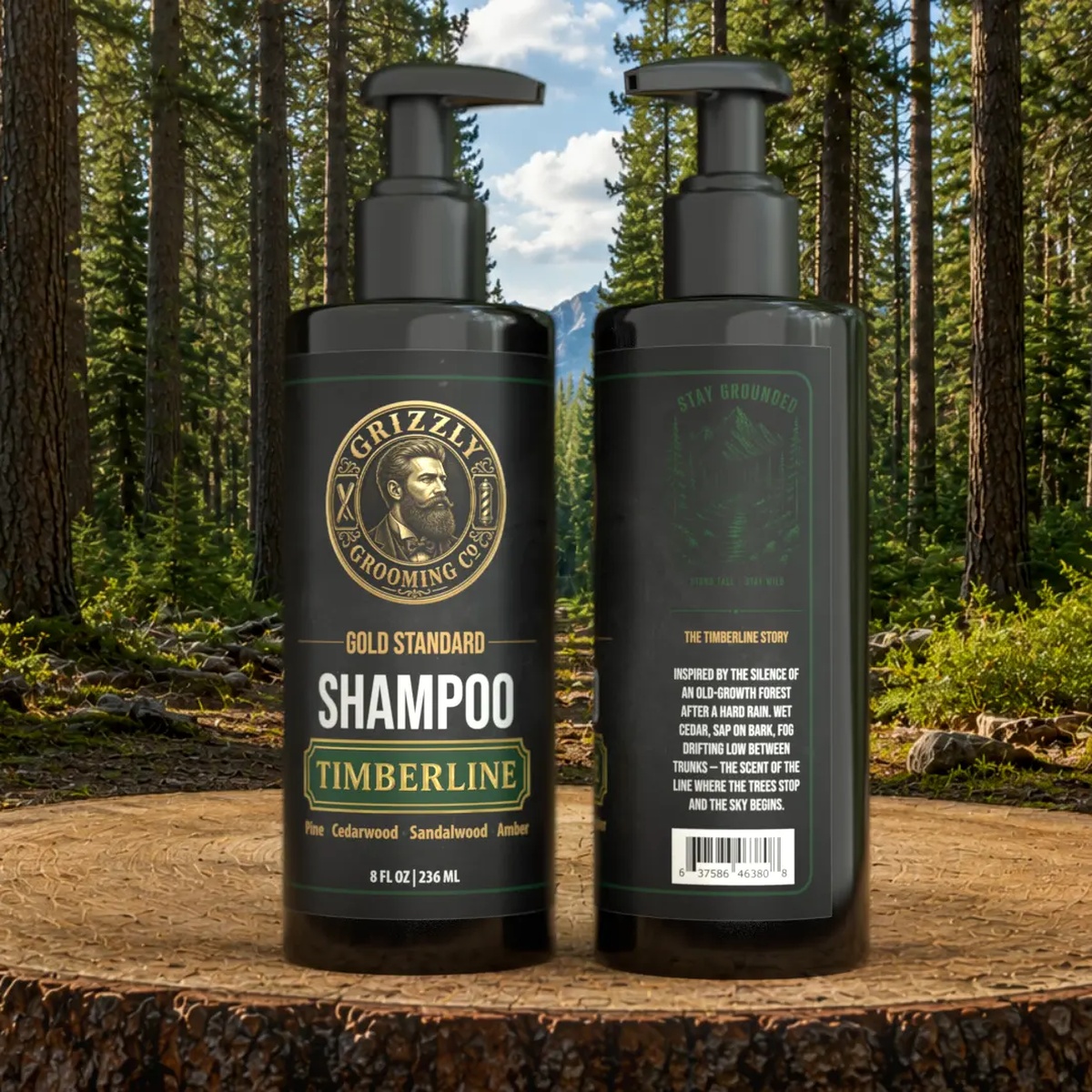
Grizzly Gold Standard Shampoo is formulated to cleanse without disrupting the scalp's natural pH. By removing excess sebum and environmental pollutants that can clog follicles, you ensure that new growth has a clear path and a healthy foundation.
Stimulating Blood Flow and Nutrient Delivery
Mechanical stimulation is a frequently overlooked tool in hair preservation. Using your fingertips to perform a firm scalp massage for five minutes daily can significantly improve localized blood flow, ensuring that nutrients reach the hair bulb more efficiently.
This practice can be enhanced by using a few drops of a nutrient-rich oil or beard oil if you prefer a multipurpose approach. The goal is to reduce scalp tension and promote vasodilation, which supports the longevity of the hair follicle's growth phase.
Internal Nutrition and External Protection
Hair is primarily composed of a protein called keratin. A diet lacking in biotin, zinc, and iron will manifest as a weakening hairline. While topical products provide the necessary external armor, your internal biochemistry dictates the strength of the hair shaft itself.
Furthermore, environmental stressors like UV radiation and excessive heat styling can damage the cuticle of the hair. Use lukewarm water when washing and avoid aggressive towel drying, which can snap the fragile hairs at the temple that are already under stress.
Frequently Asked Questions
Can a receding hairline actually be stopped?
Yes, if caught in the early stages, recession can often be slowed or stabilized. Success depends on maintaining scalp health, reducing DHT impact, and ensuring the follicles receive adequate blood flow and nutrition.
How often should I wash my hair if I notice recession?
Washing every two to three days is generally ideal. Over-washing strips the scalp of protective oils, while under-washing allows sebum and DHT-laden buildup to suffocate the follicles.
Does wearing a hat cause the hairline to recede?
Common hats do not cause hair loss unless they are worn so tightly that they cause traction alopecia or significant scalp irritation. Proper hygiene is more important than whether or not you wear a hat.
Build your ritual in 60 seconds.
Answer four questions and get a custom regimen — plus a 15% bundle discount.
Start The Ritual Builder