A Professional Guide to Halting Hairline Recession in the Early Stages
Hairline recession is rarely an overnight event; it is a slow process that gives you ample time to intervene if you know what to look for. Maintaining a full head of hair requires a disciplined approach to scalp health and a refusal to ignore the subtle signs of thinning.
- ›Switch to a sulfate-free shampoo to preserve natural scalp oils.
- ›Introduce scalp massages to increase blood flow to the follicles.
- ›Prioritize protein and biotin intake to support hair keratin structure.
- ›Lower DHT impact by using targeted topical treatments and conditioners.
- ›Avoid high-heat styling and aggressive brushing that causes mechanical stress.
Identifying the Early Signs of Recession
The first step in prevention is awareness. Most men notice thinning at the temples or a slight change in the 'widow's peak' area, often referred to as the maturing hairline. However, there is a distinct difference between a maturing line and active recession.
Check your sink and comb for an increase in shed hairs. While losing 50 to 100 hairs a day is normal, seeing clusters of thin, miniaturized hairs is a signal that the growth cycle is shortening. If the hair at the front feels softer or less dense than the hair at the back, it is time to adjust your routine.
Prioritizing Scalp Health and Hygiene
The scalp is the soil from which your hair grows. Over-washing with harsh chemicals can strip the scalp, leading to inflammation that constricts blood flow to the follicles. Conversely, under-washing leads to sebum buildup, which can trap DHT and further exacerbate thinning.
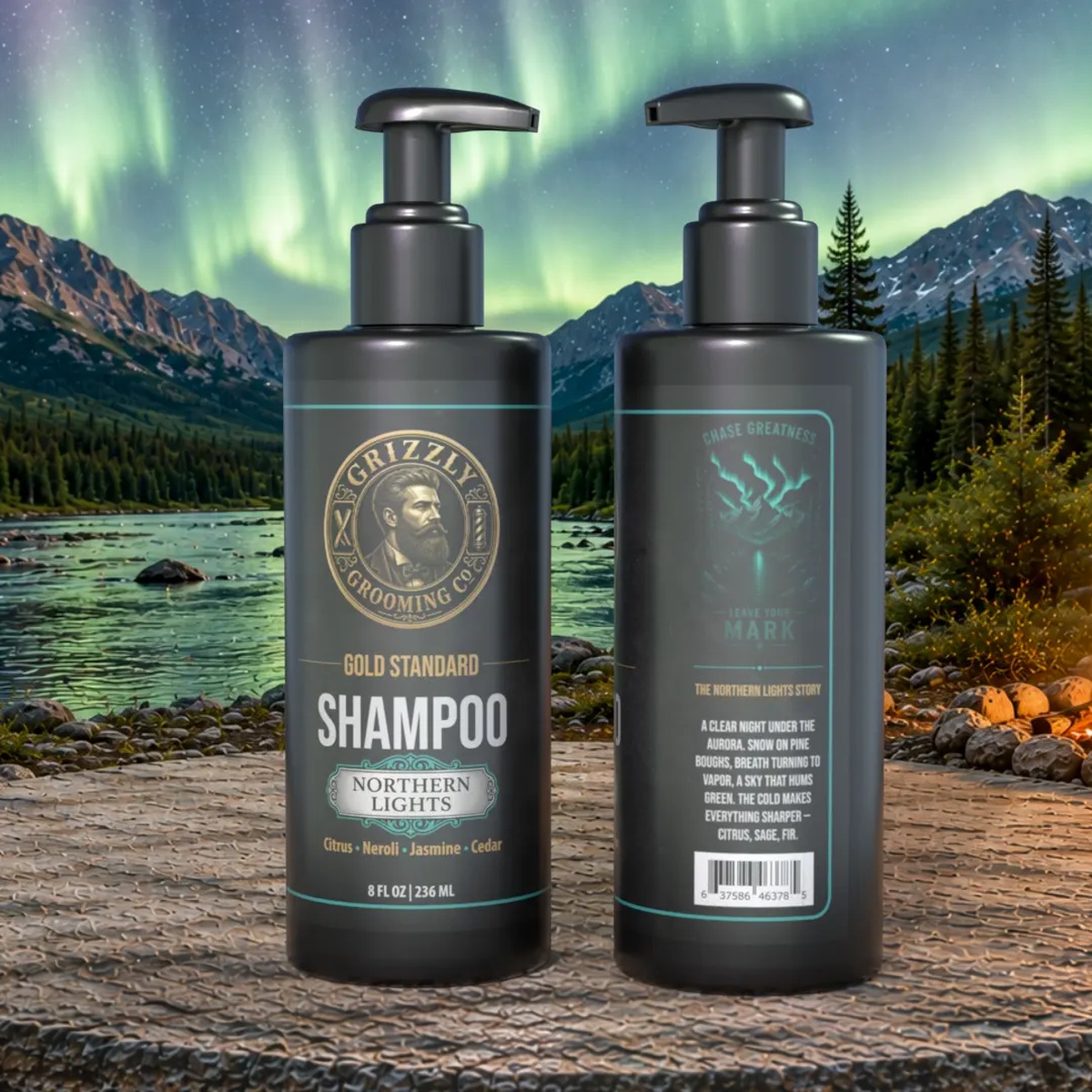
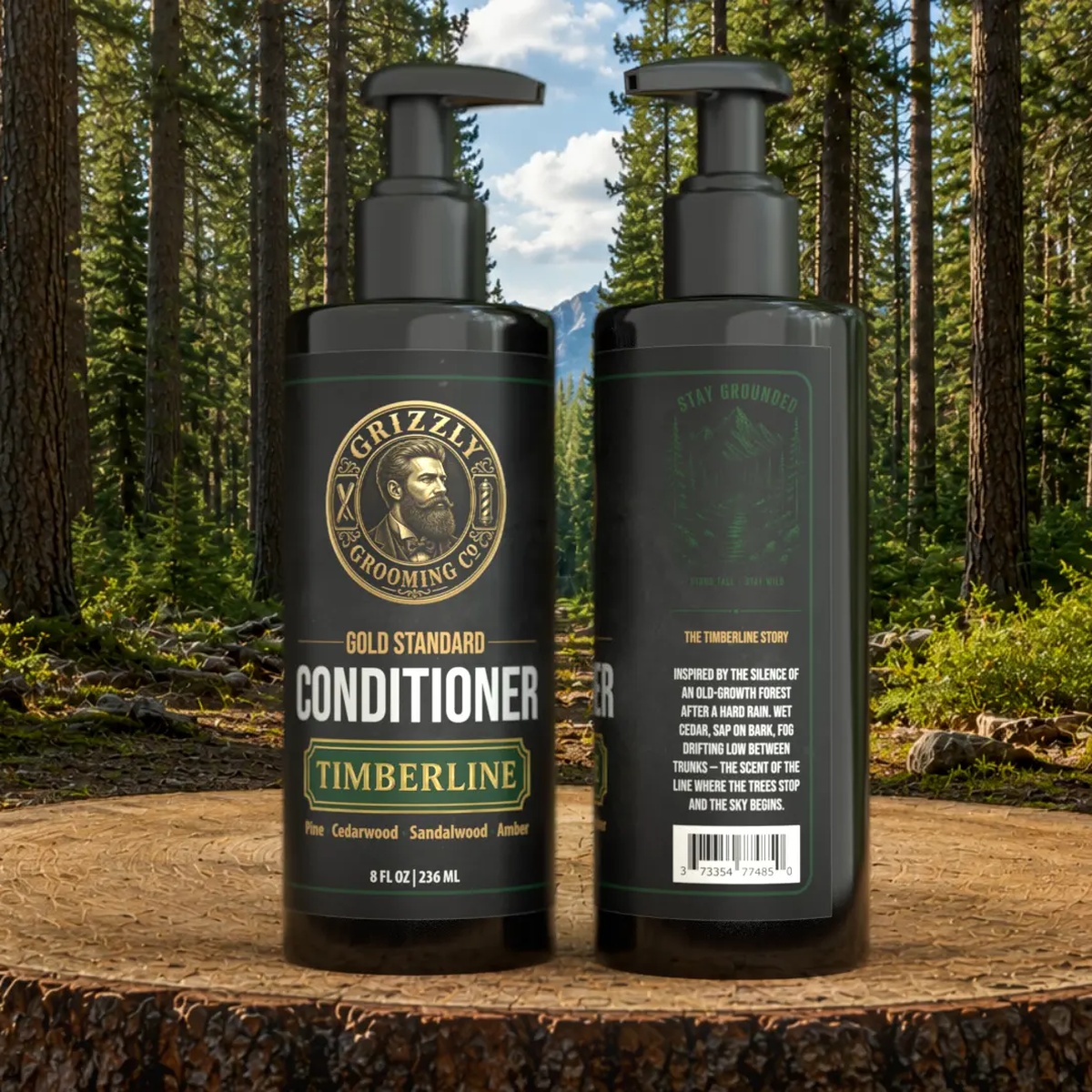
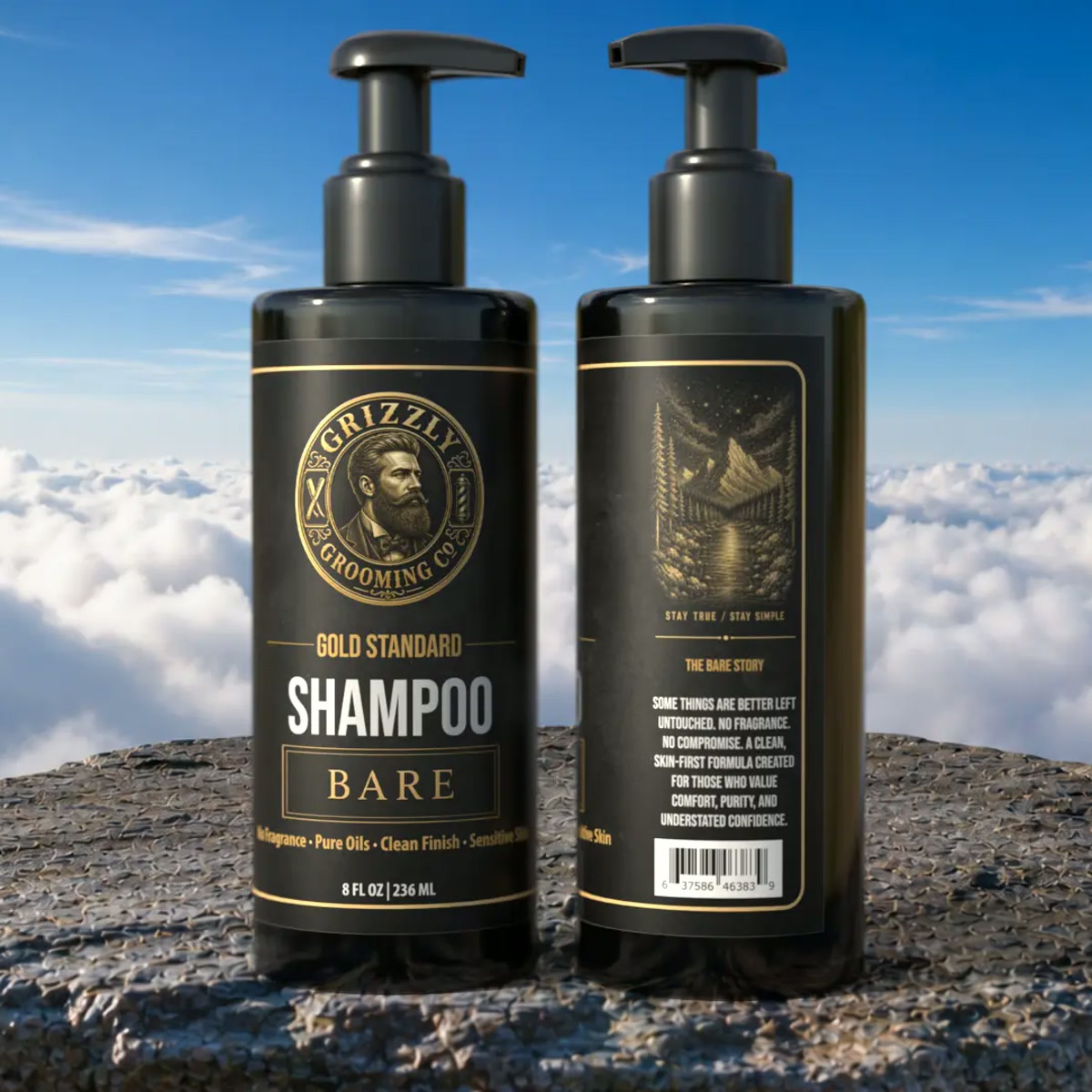
Utilizing a high-quality shampoo and conditioner, such as those in the Grizzly Gold Standard line, ensures you are removing debris without compromising the skin barrier. Look for formulations that focus on hydration and scalp clarity rather than just surface-level shine.
The Role of Nutrition and Internal Support
Hair is primarily composed of a protein called keratin. Without a steady supply of amino acids, vitamins, and minerals, your body will deprioritize hair growth in favor of vital organ functions. Iron, Zinc, and Vitamin D are particularly crucial for maintaining a healthy growth cycle.
Incorporating a biotin supplement or increasing your intake of leafy greens, eggs, and lean proteins provides the raw materials necessary for follicular strength. Hydration also plays a silent role; a dehydrated scalp is more prone to the inflammation that precedes hair loss.
Mechanical Stress and Styling Discipline
Many men inadvertently accelerate recession through aggressive styling. High-heat blow drying and tight hairstyles create tension on the follicle, a condition known as traction alopecia. Over time, this tension can permanently damage the root.
When drying, pat your hair with a towel rather than rubbing vigorously. If you use styling products, ensure they are water-soluble to avoid heavy buildup at the base of the hair shaft. A gentle approach preserves the integrity of the hair you have while you work on stimulating new growth.
Manual Stimulation and Blood Flow
Blood carries the oxygen and nutrients your follicles need to thrive. A simple, four-minute daily scalp massage can significantly increase local circulation. Use your fingertips to apply firm, circular pressure across the hairline and crown.
This practice not only helps in nutrient delivery but also aids in the absorption of any topical treatments you may be using. Consistent manual stimulation is one of the most underrated tools in a barber's arsenal for maintaining hair density over the long term.
Frequently Asked Questions
Can hair grow back once the hairline has receded?
If the follicle has completely scarred over and stopped producing hair, regrowth is unlikely through topical means. However, if the follicle is merely dormant or miniaturized, the right intervention can thicken the existing hair and restore visible density.
How often should I wash my hair to prevent loss?
For most men, washing every two to three days is ideal. This prevents the buildup of DHT-rich sebum while ensuring you do not dry out the scalp, which can lead to brittle hair and breakage.
Do hats cause the hairline to recede?
Wearing a hat does not directly cause male pattern baldness. However, an extremely tight hat can cause friction and traction, and a dirty hat can lead to scalp infections that may temporarily thin the hair.
Build your ritual in 60 seconds.
Answer four questions and get a custom regimen — plus a 15% bundle discount.
Start The Ritual Builder