A Guide to Seasonal Scents: How to Master Your Fragrance Profile
The fragrance a man chooses serves as his invisible calling card, yet most fail to account for how environmental factors alter a scent's performance. Understanding the chemistry of seasonal shifts ensures your presence is felt with sophistication rather than overbearing intensity.
- ›High heat amplifies scent, requiring lighter citrus and aquatic notes.
- ›Cold weather suppresses fragrance molecules, demanding heavier base notes like oud or leather.
- ›Shoulder seasons call for versatile florals and spice-forward profiles.
- ›Applying cologne to hydrated skin increases longevity regardless of the time of year.
- ›A signature scent is seasonal; variety prevents olfactory fatigue for those around you.
The Physics of Scent and Temperature
Temperature is the primary driver of fragrance evaporation. In the heat of summer, perfume molecules move more rapidly, causing a scent to project aggressively and dissipate faster. This is why heavy, sweet colognes often feel suffocating during July; the heat pushes the base notes out before the top notes have a chance to settle.
Conversely, winter air is dry and cold, which slows the evaporation process. Fragrance molecules cling closer to the skin, necessitating a more robust composition with higher concentrations of oils. Understanding this thermal dynamic is the first step in moving beyond a single, one-size-fits-all cologne.
Spring: The Season of Green and Floral Notes
As the ground thaws, your fragrance profile should mirror the environment. Spring is defined by 'green' notes—scents that evoke cut grass, violet leaves, and petitgrain. These notes provide a crispness that feels appropriate as layers of heavy clothing are shed.
Consider scents that utilize neroli or bergamot grounded by a light vetiver. This balance offers a professional transition from the indoor heat of the office to the brightening outdoors without being overly floral or feminine.
Summer: Leveraging Citrus and Aquatics
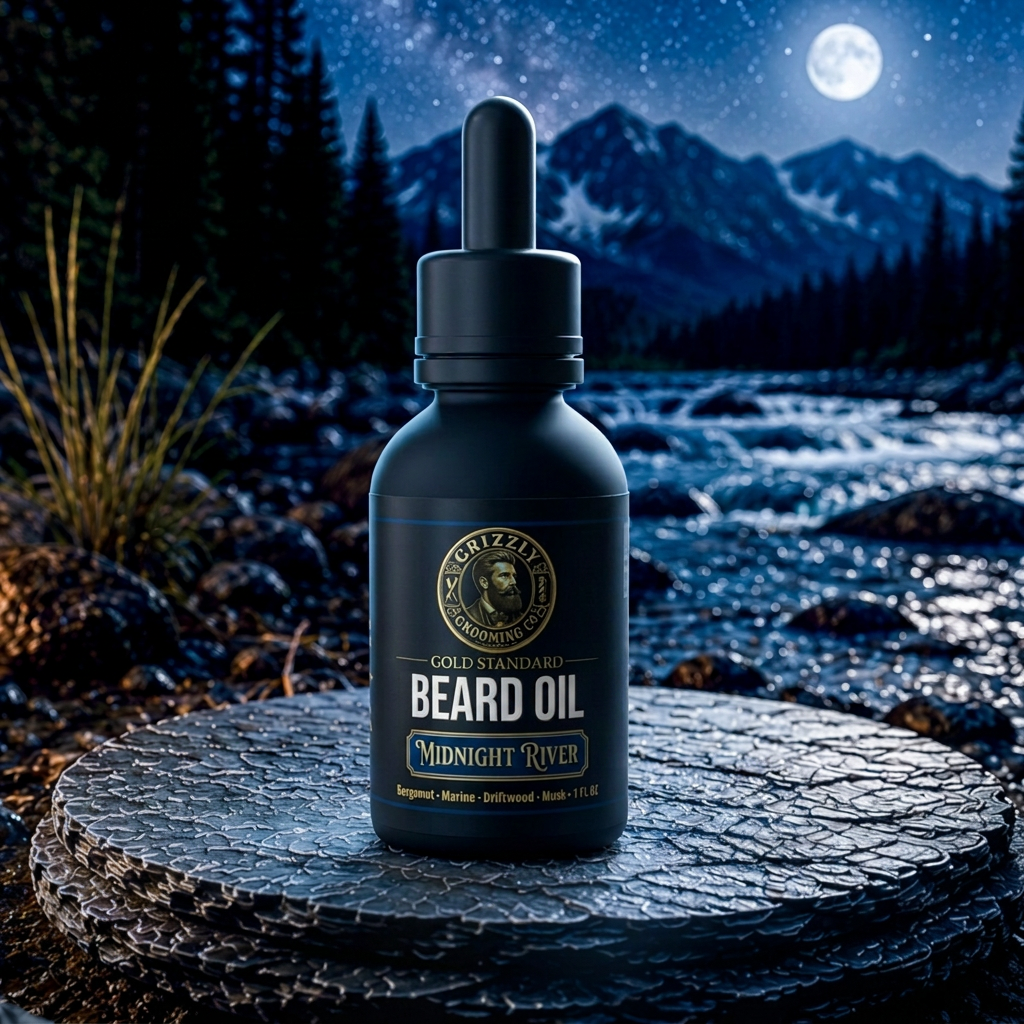
Summer demands restraint and clarity. Citrus-heavy profiles featuring lemon, grapefruit, and maritime accords are standard because they provide an immediate sense of freshness. However, quality matters here; synthetic citrus can often smell like household cleaners, whereas artisanal blends maintain their integrity.
To ensure longevity in the heat without over-applying, focus on pulse points but also consider using a subtle scented body wash. Many men find that layering a light cologne over a complementary deodorant provides a clean foundation that survives high humidity.
Autumn: Earthy Textures and Warm Spices
When the air turns crisp, the fragrance palette should shift toward warmth and earthiness. This is the time for resins, tobacco, and spices like cardamom or nutmeg. These notes have a psychological 'warming' effect and pair excellently with the heavier textures of flannels and wool overcoats.
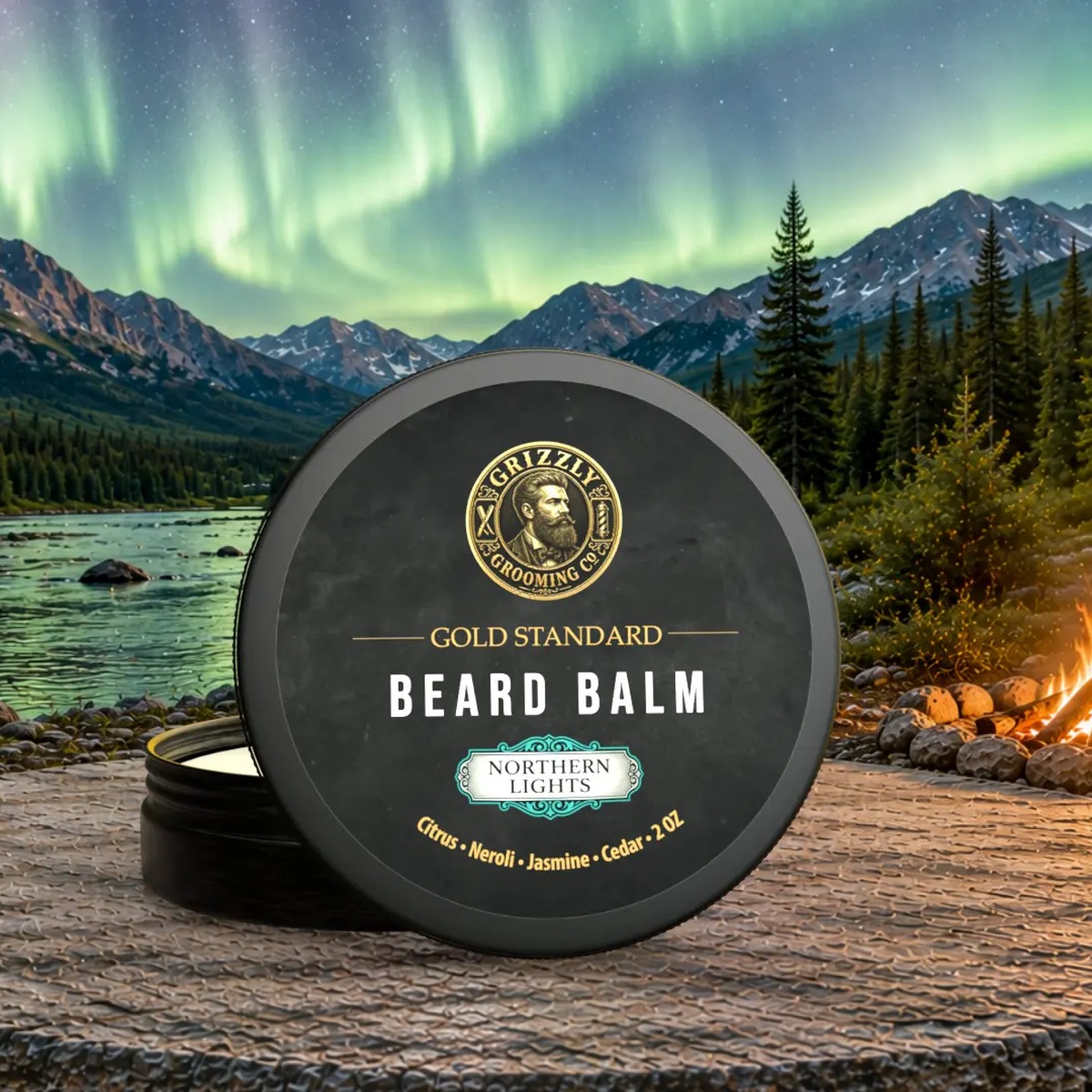
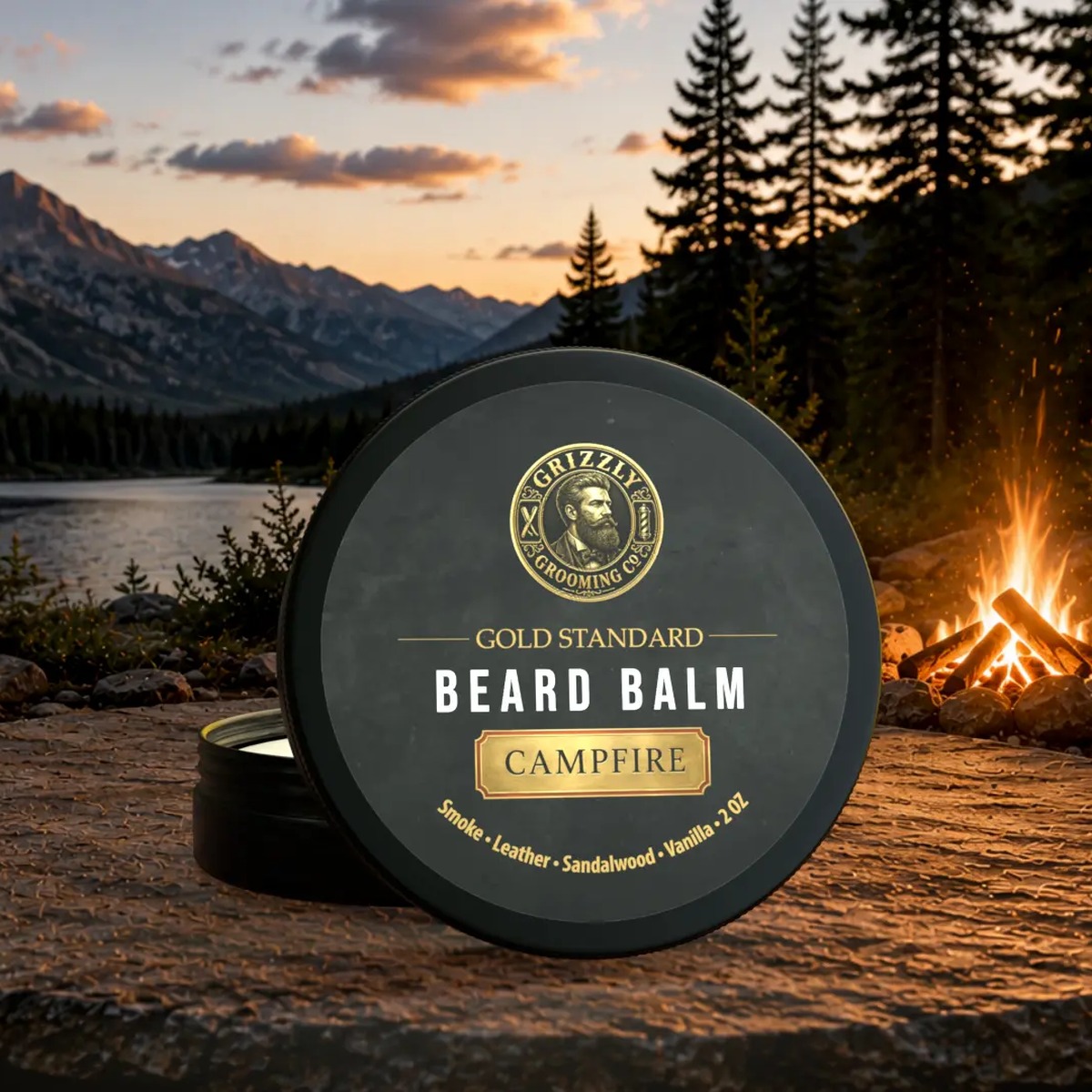
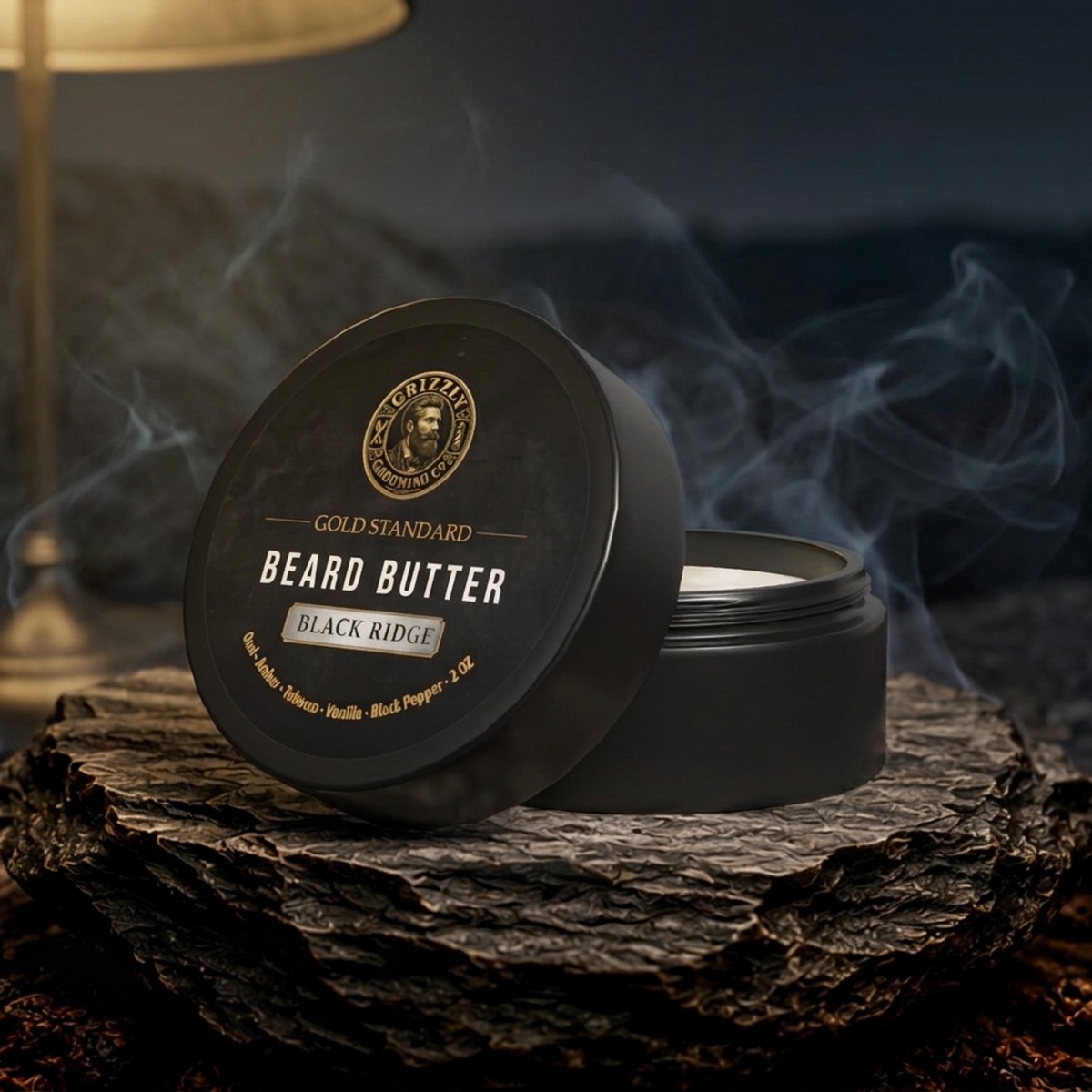
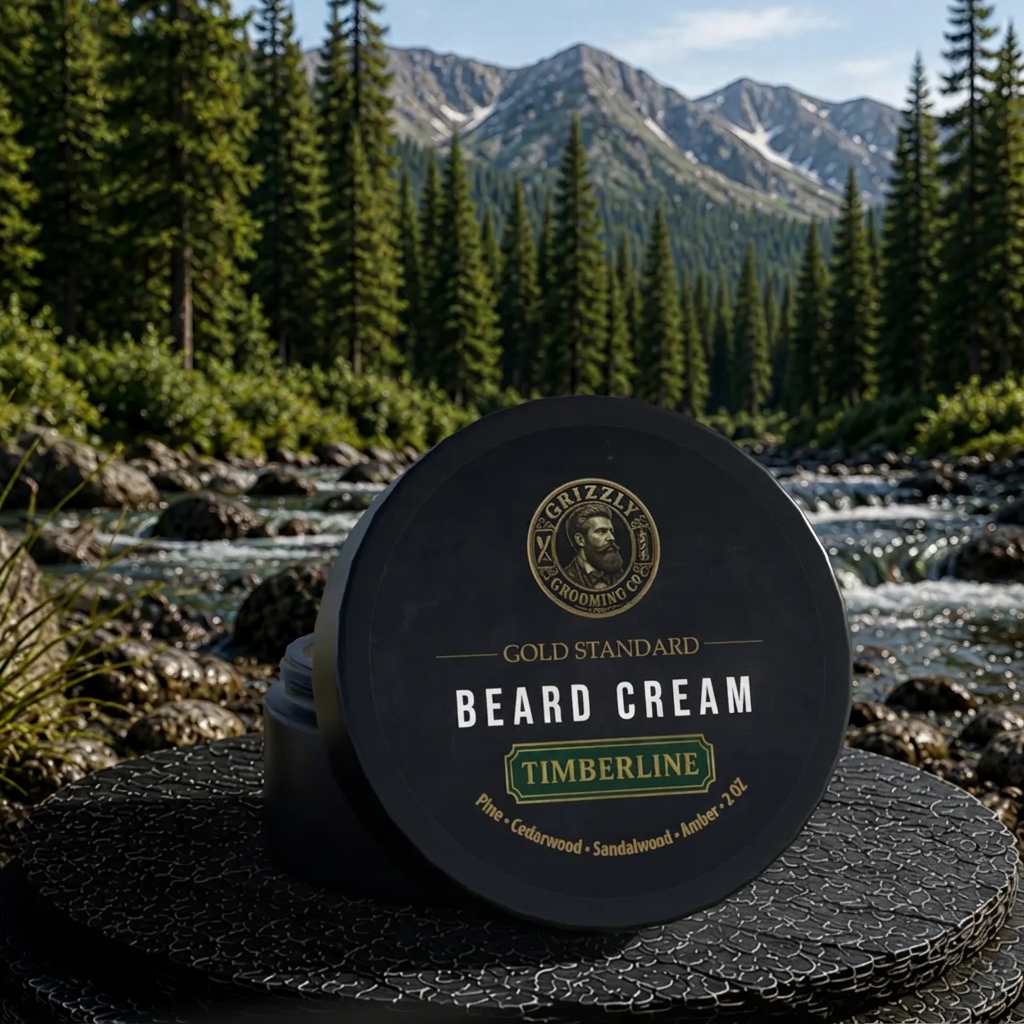
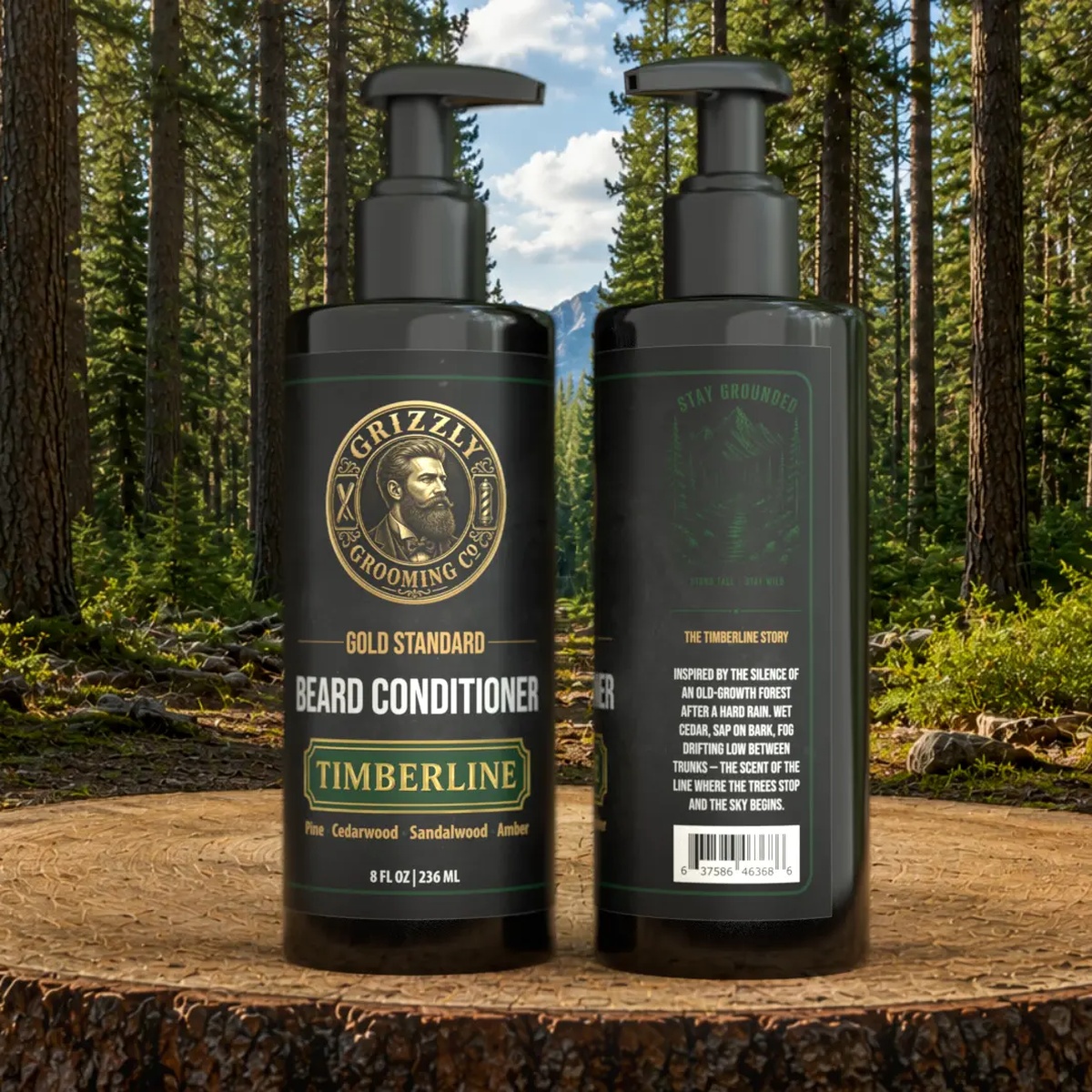
Autumn is also the ideal time to introduce woods such as cedar and sandalwood. These base notes act as a bridge between the freshness of summer and the upcoming density of winter. We often recommend ensuring your beard oil or beard butter carries these deeper profiles to complement your evening cologne.
Winter: High-Concentration Woods and Leather
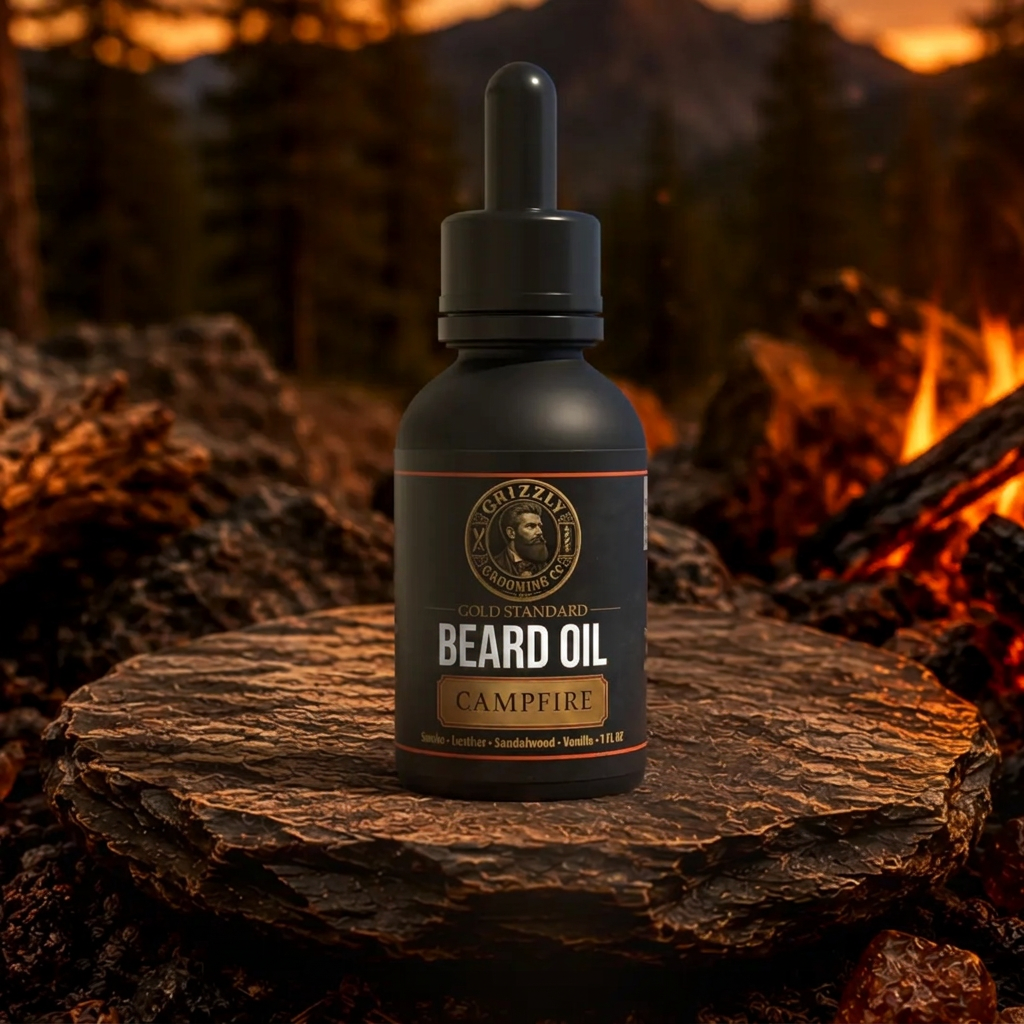
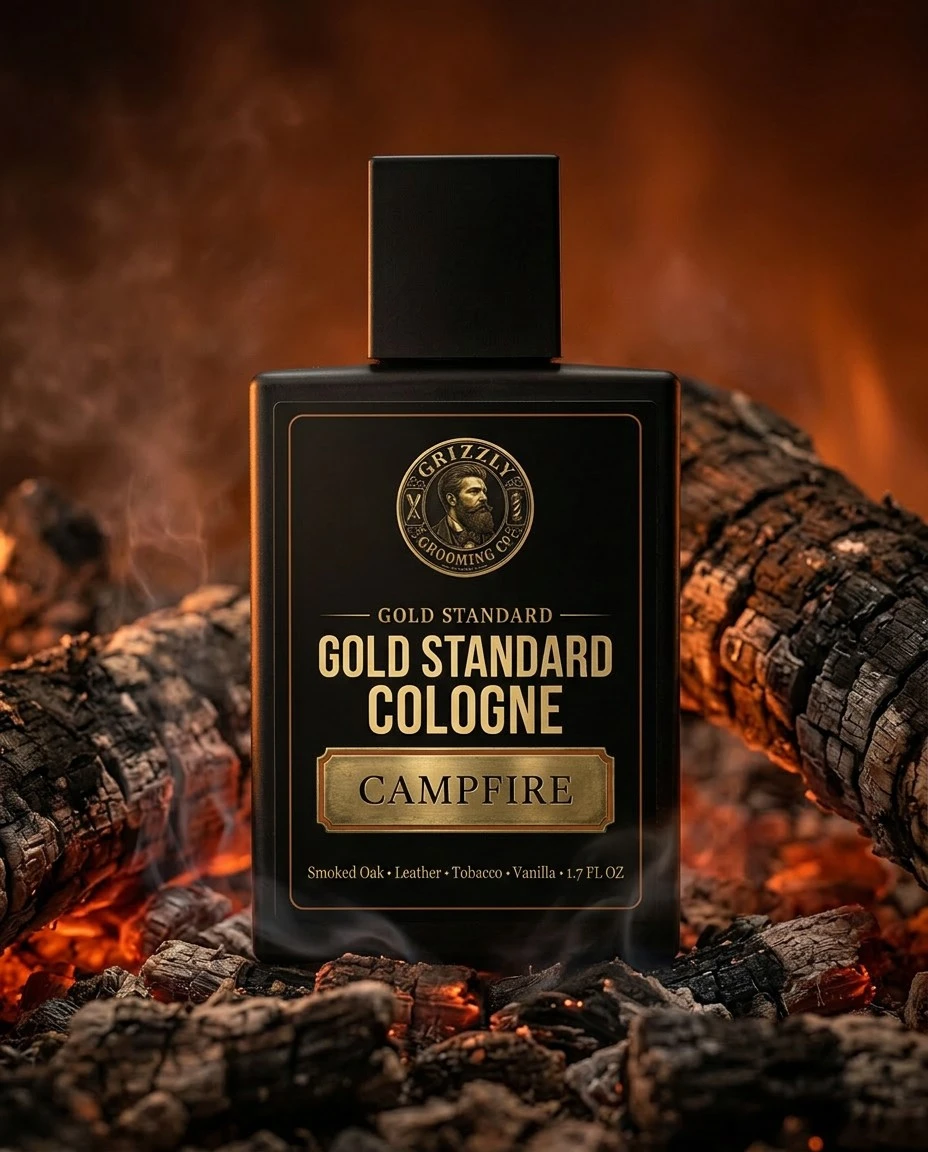
Winter provides the canvas for your most complex fragrances. Because cold air limits projection, you can safely wear heavier, more 'animalic' scents. Dark leather, oud, amber, and vanilla are staples for the colder months. These notes have massive molecular weight, allowing them to last through an entire day.
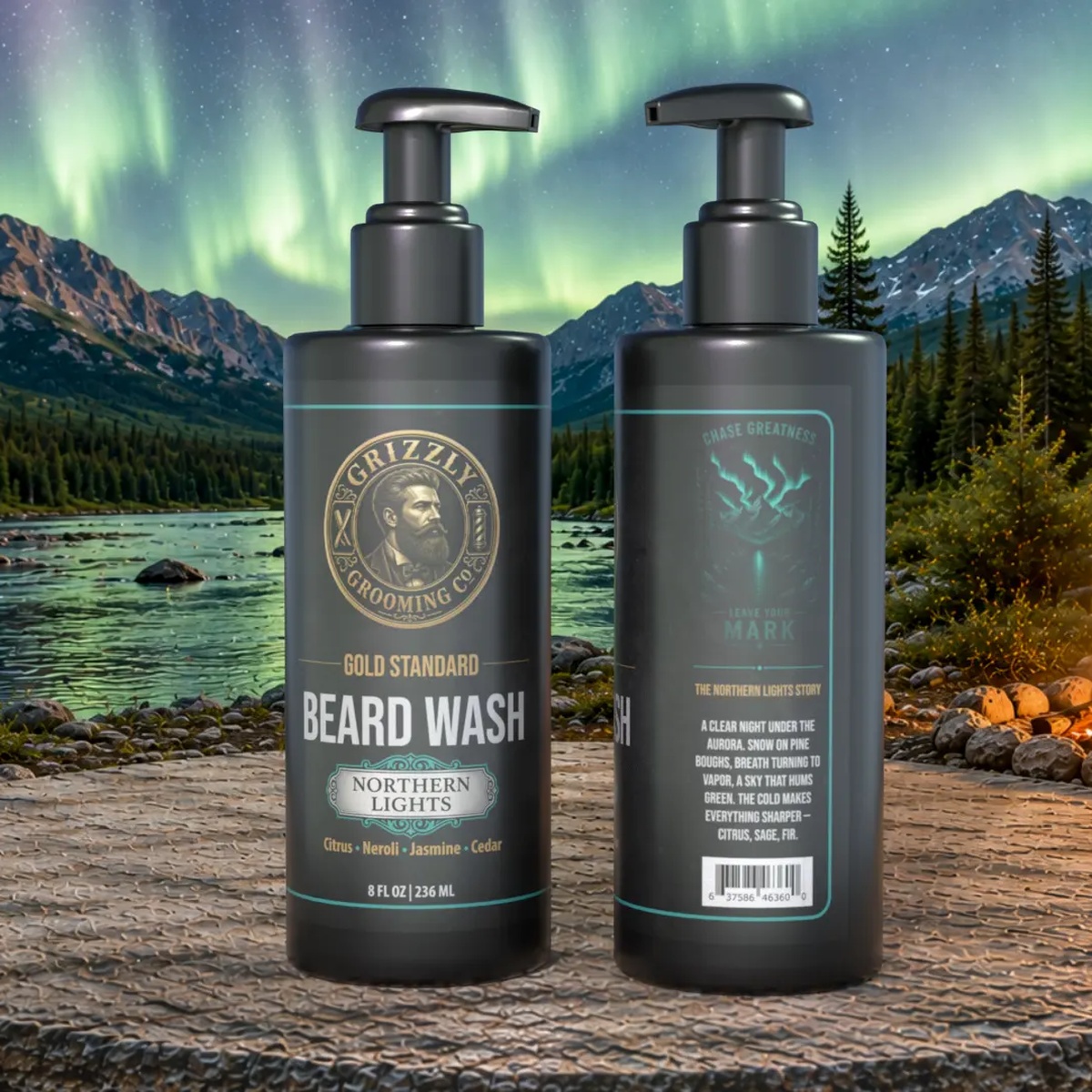
Application in winter should be strategic. Since most of your skin is covered, apply to the neck and the beard. A well-maintained beard, treated with a wood-scented beard wash and balm, serves as a natural diffuser for these deeper fragrance notes.
Frequently Asked Questions
Should I change my cologne for day and night?
Yes. Daytime scents should generally be lighter and more professional, utilizing citrus or green notes. Evening scents can afford to be more daring, heavier, and evocative, featuring woods or spices that linger in social settings.
How many sprays of cologne are appropriate?
For most high-quality fragrances, two to three sprays are sufficient. Focus on the base of the throat and the insides of the wrists; avoid the 'spray and walk through' method, as it wastes product and provides poor coverage.
Does skin type affect how a scent smells?
Oily skin tends to hold fragrance longer, as the oils trap the scent molecules. If you have dry skin, the scent will dissipate faster, which is why we recommend moisturizing with an unscented lotion or a light beard oil before application.
Build your ritual in 60 seconds.
Answer four questions and get a custom regimen — plus a 15% bundle discount.
Start The Ritual Builder