A Guide to Managing Early Hairline Recession and Scalp Health
The first sign of a receding hairline is often subtle, usually presenting as a slight thinning at the temples or a shift in the way your hair sits during styling. While genetics play a primary role, your daily grooming habits and scalp environment dictate how well your natural density holds up against time.
- ›Identify follicle miniaturization by checking for shorter, thinner hairs at the temples.
- ›Prioritize scalp hygiene to prevent sebum buildup that can stifle new growth.
- ›Utilize mechanical stimulation like scalp massage to increase localized blood flow.
- ›Switch to pH-balanced shampoos and conditioners that avoid harsh stripping agents.
- ›Consult a professional to determine if the loss is androgenetic or stress-related.
Recognizing Early Follicle Miniaturization
Before the hairline visibly moves back, the follicles undergo a process called miniaturization. This is where the hair growth cycle shortens, and individual strands become finer, shorter, and less pigmented. If you notice 'baby hairs' at your temples that never seem to gain full length, these are often follicles in the early stages of thinning.
To track this accurately, perform a monthly check in consistent lighting. Look for a V-shaped pattern or a loss of density in the corners of your forehead. Catching this early allows for a more proactive approach to scalp health rather than playing catch-up with surgical interventions later.
The Role of Scalp Hygiene and Environment
A healthy hairline starts with the skin it grows from. Excessive sebum, dead skin cells, and product buildup can create an inflammatory environment that stresses the hair root. Using a dedicated shampoo and conditioner twice a week—rather than daily—ensures you are removing debris without stripping the natural oils that protect the hair shaft.
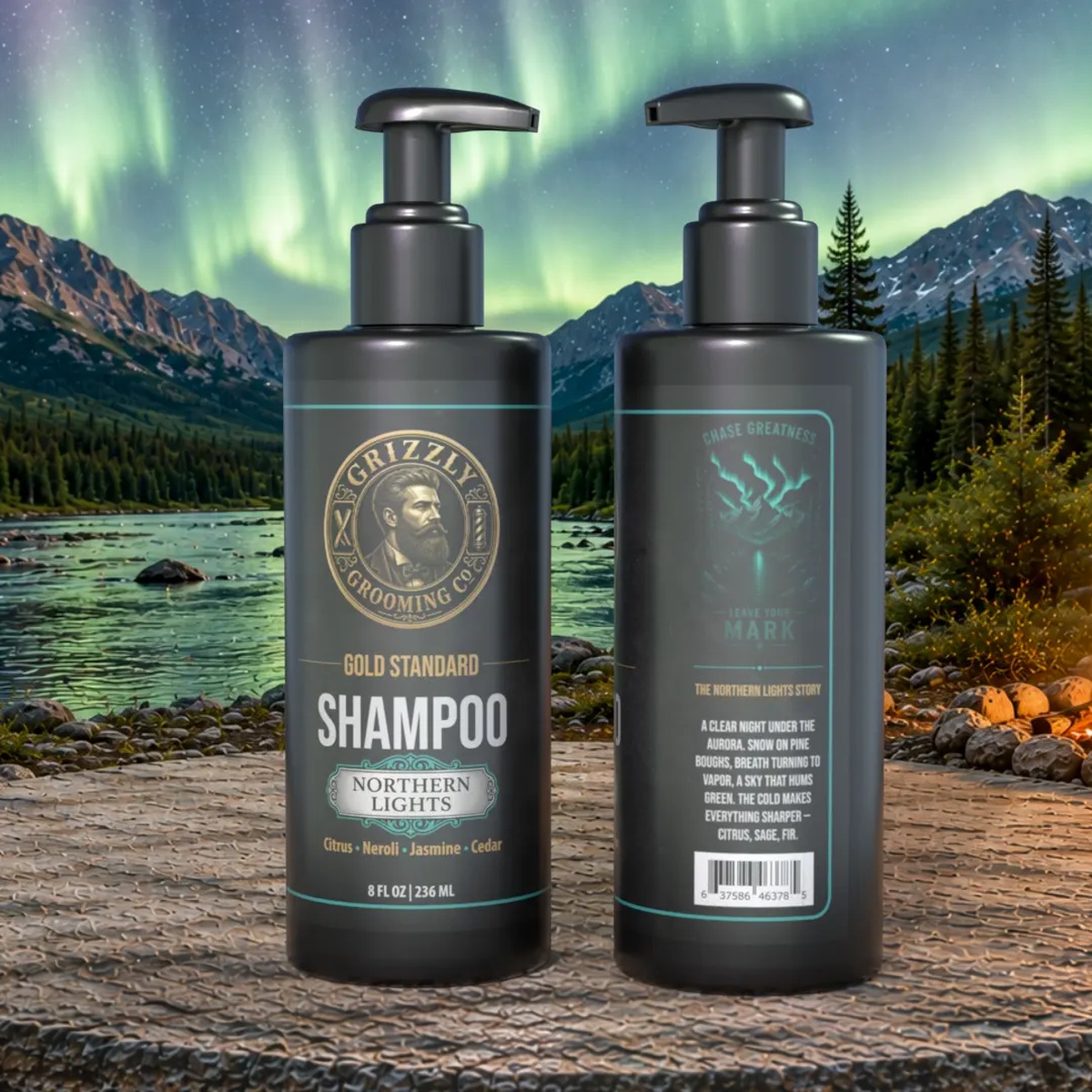
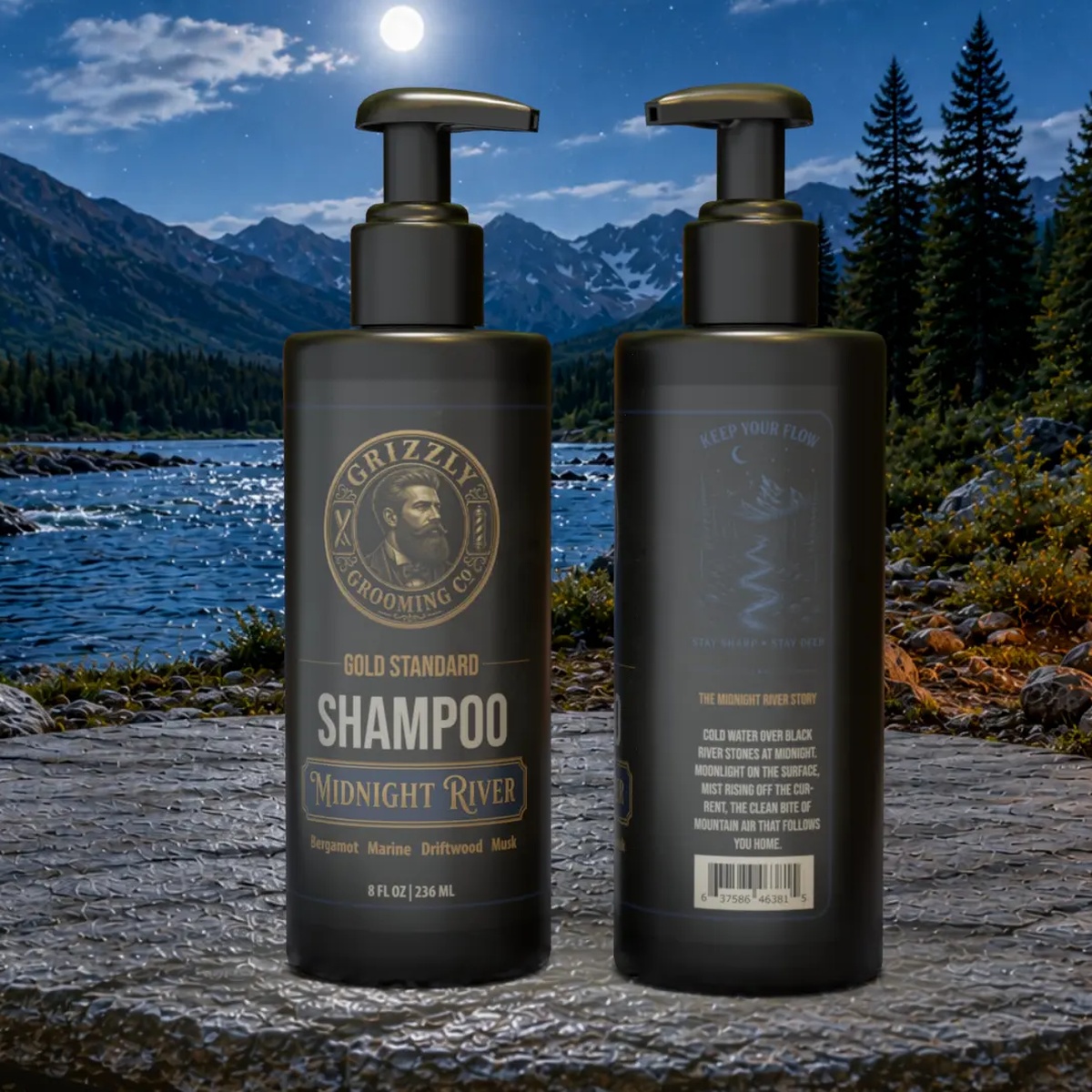
Look for formulas that focus on scalp health rather than just cleaning the hair. Grizzly Gold Standard Shampoo is designed to balance the scalp's microbiome, which is essential for maintaining the integrity of the follicle. A clean, balanced scalp is the baseline for any successful hair retention strategy.
Mechanical Stimulation and Blood Flow
Blood flow delivers the essential nutrients and oxygen required for the anagen, or growth phase, of the hair cycle. When blood flow is restricted, follicles can slowly starve. Incorporating a four-minute daily scalp massage can help physically stimulate the micro-vessels surrounding the hair bulb.
This mechanical action also helps to break down scalp calcification and fibrosis, which are often present in areas of hair loss. Use the pads of your fingers in a firm, circular motion starting from the back of the head and moving toward the hairline. Consistency is more important than intensity when it comes to stimulation.
Nutrients and Ingredient Integrity
What you put on your hair is as important as what you put in your body. Biotin, Saw Palmetto, and Caffeine are frequently cited in clinical studies for their ability to support hair thickness and potentially mitigate the effects of DHT on the scalp. Avoid heavy silicones that weigh down thinning hair and give the appearance of less volume.
Incorporate a protein-rich diet focusing on iron and zinc to support the structural keratin of the hair. While topical products can protect the exterior, the internal health of the follicle depends on your systemic nutrition. A disciplined approach to both will yield the best long-term results.
Stress Management and Hair Cycles
Telogen Effluvium is a form of temporary hair loss often triggered by high cortisol levels. While different from male pattern baldness, it can accelerate the appearance of a receding hairline by pushing more hairs into the shedding phase simultaneously. Managing your biological stress is a technical requirement for hair preservation.
Ensure you are getting at least seven hours of sleep to allow for cellular repair. Most hair growth occurs during the deep stages of sleep, so a disrupted sleep cycle can physically manifest as thinning hair. Treat your rest as a critical part of your grooming ritual.
Frequently Asked Questions
Can a receding hairline grow back?
While you cannot typically regrow hair once a follicle has completely scarred over, you can thicken existing miniaturized hairs and prevent further recession through consistent scalp care and clinical treatments. Early intervention is the key to maintaining your current density.
How often should I wash my hair if it is thinning?
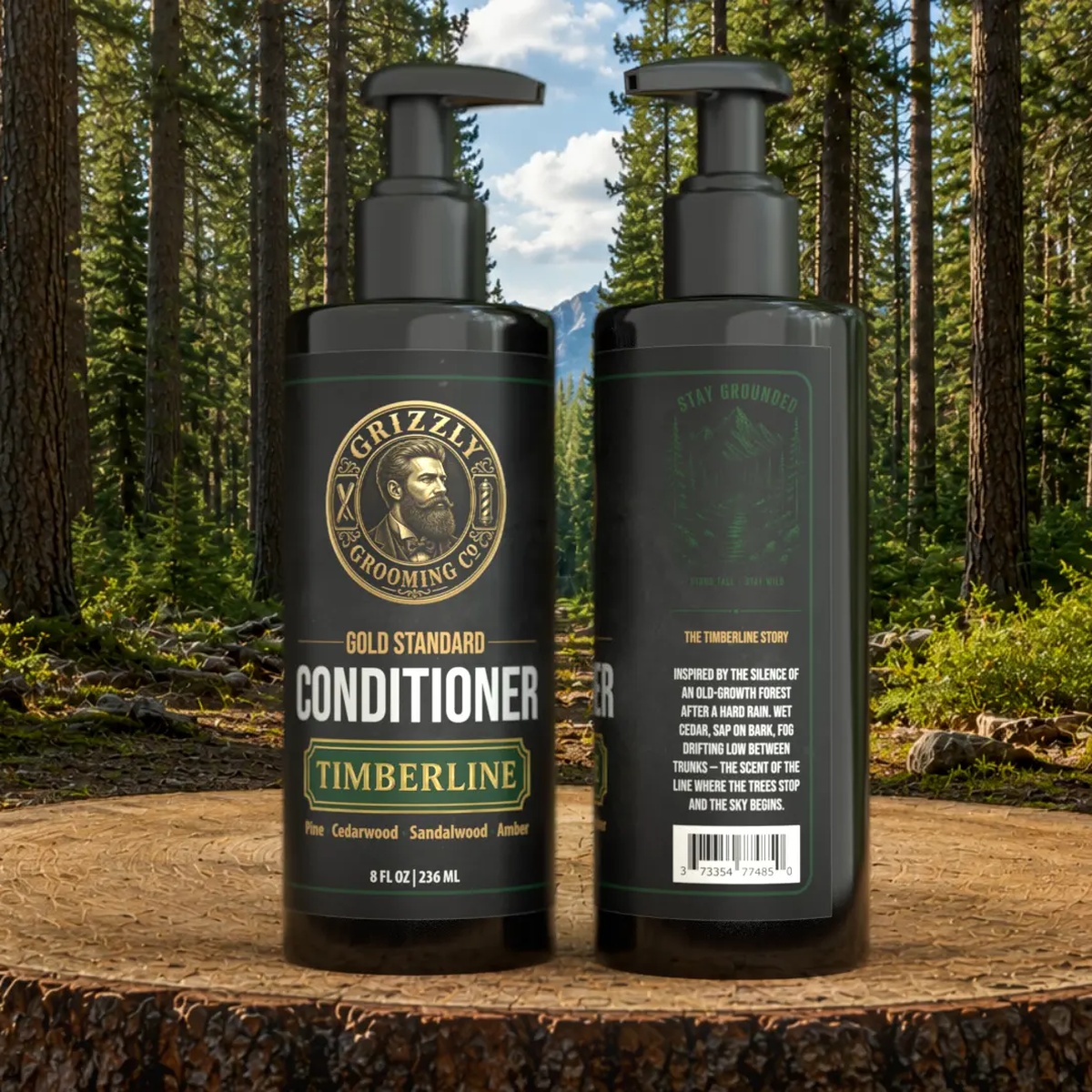
Washing every 2 to 3 days is generally recommended. Over-washing can lead to a dry, brittle scalp, while under-washing allows DHT-laden sebum to sit on the follicles; using a high-quality conditioner helps maintain the moisture balance.
Does wearing a hat cause a receding hairline?
Hats do not cause recession unless they are worn tight enough to cause traction alopecia, which pulls the hair from the root. As long as your hat is comfortable and your scalp can breathe, it will not contribute to genetic hair loss.
Build your ritual in 60 seconds.
Answer four questions and get a custom regimen — plus a 15% bundle discount.
Start The Ritual Builder