A Barber-Informed Guide to Managing Early Hairline Recession
A receding hairline is often the first indicator of shifting follicular health, yet many men wait until the loss is visible to react. Managing this transition requires shifting from a reactive mindset to a preventative ritual that prioritizes the health of the scalp environment.
- ›Switch to a sulfate-free shampoo to preserve natural scalp oils.
- ›Introduce scalp massages to increase localized blood flow.
- ›Maintain hydration with a nutrient-dense conditioner daily.
- ›Monitor stress levels and dietary intake of zinc and biotin.
- ›Consult a professional if thinning occurs rapidly at the crown.
The Foundation of Scalp Hygiene
Stopping recession starts with the environment in which hair grows. Harsh, drugstore-grade detergents often contain sulfates that strip the scalp of sebum, causing the skin to tighten and potentially suffocating the follicles.
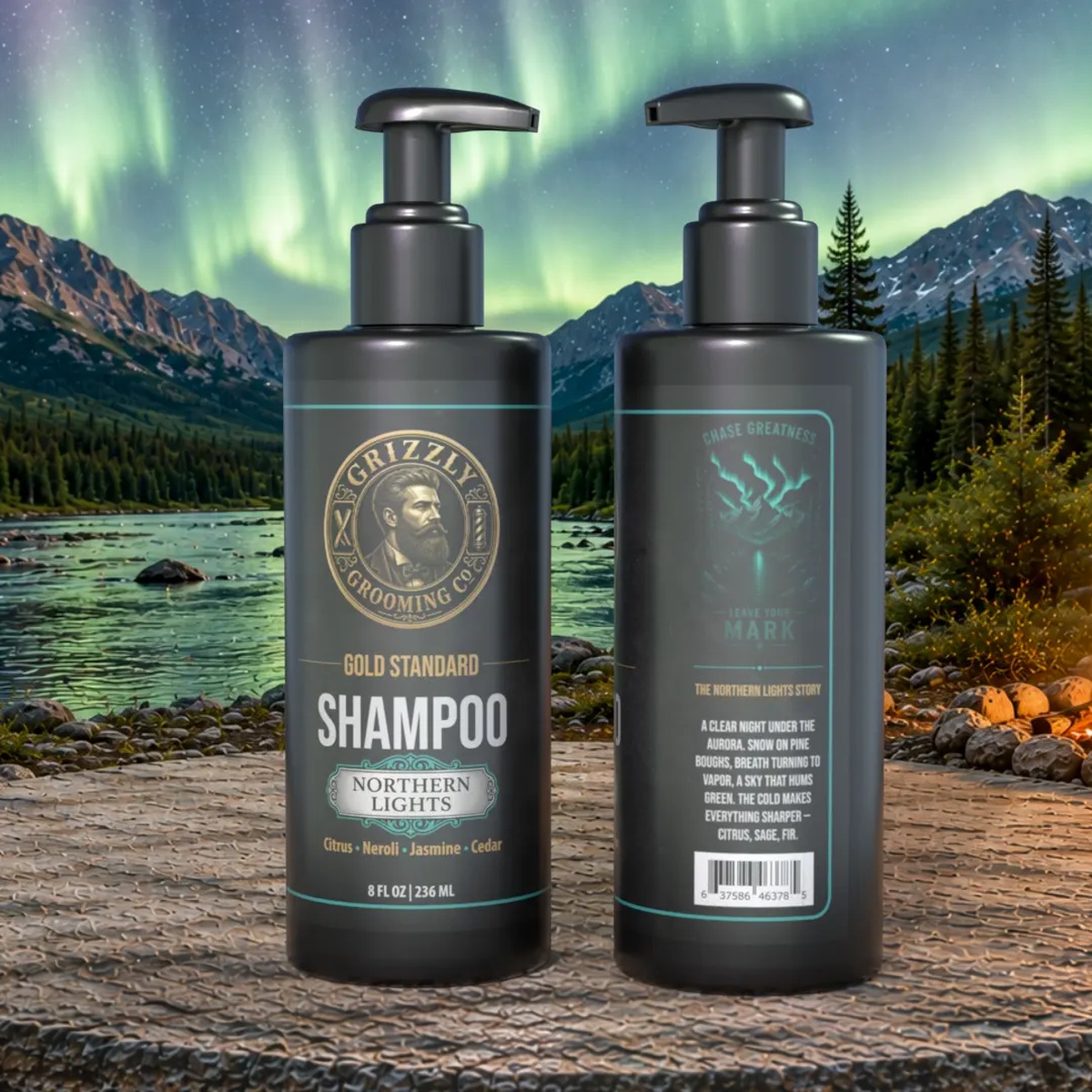
Using a professional-grade shampoo ensures you are cleansing without compromising the moisture barrier. Clean follicles are less likely to become clogged with sebum and DHT, a byproduct of testosterone linked to male pattern baldness.
The Role of Mechanical Stimulation
In the barber chair, we see the benefits of scalp stimulation firsthand. Increasing blood flow to the scalp delivers essential nutrients and oxygen to the follicles, which is critical for prolonging the growth phase of the hair cycle.
Dedicate four minutes daily to a firm scalp massage using your fingertips. This ritual encourages microcirculation and ensures that the ingredients in your hair care products can penetrate the skin more effectively.
Moisture Management and Strength
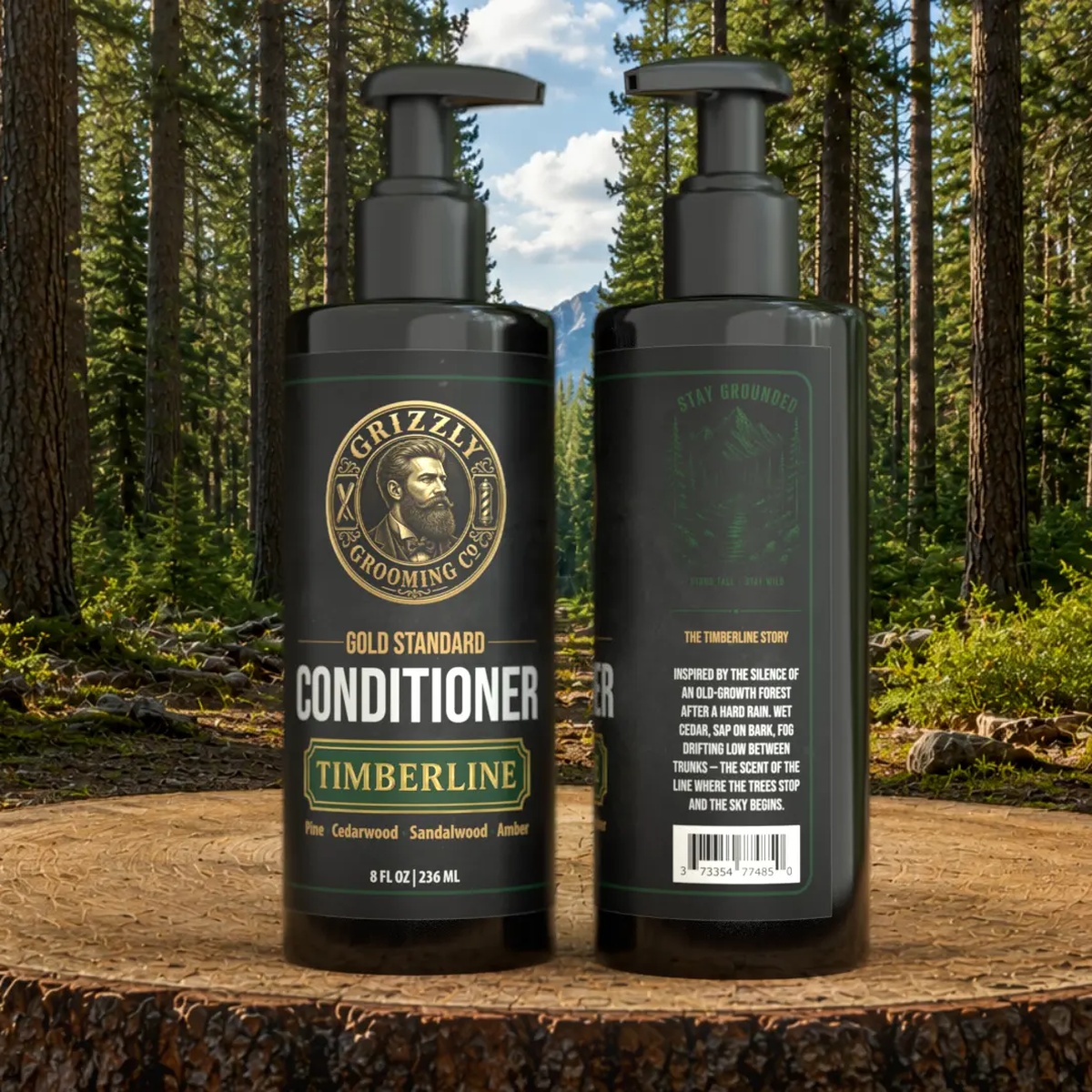
Hair that lacks moisture becomes brittle and breaks easily near the root, which can mimic the appearance of recession. A high-quality conditioner is not optional; it helps seal the hair cuticle and provides a protective layer against environmental stressors.
For men with thinning hair, look for formulations that include keratin or biotin. These ingredients help reinforce the hair shaft, making the existing hair look fuller while protecting the delicate hairline from premature shedding.
Internal Factors and Growth Support
External products are only half the battle. Your follicles require specific vitamins and minerals, such as Vitamin D, Zinc, and Iron, to produce healthy hair strands. Chronic stress and poor sleep can also elevate cortisol, which may trigger temporary thinning.
If you notice your hairline retreating, evaluate your lifestyle. Integrating a balanced diet or specific supplements can provide the internal support needed for the Grizzly Gold Standard level of hair health and longevity.
Frequently Asked Questions
Can I actually regrow hair on a receded hairline?
Regrowth depends on whether the follicles have gone dormant or have scarred over. While you can often revitalize thinning follicles through better hygiene and stimulation, a fully smooth hairline typically requires medical intervention.
How often should I wash my hair if it is thinning?
Washing every two to three days is generally ideal. Over-washing strips away protective oils, while under-washing allows DHT-laden sebum to build up around the base of the hair follicle.
Does wearing a hat cause a receding hairline?
Wearing a hat does not directly cause recession unless it is tight enough to cause traction alopecia or so dirty that it leads to scalp infections. Ensure your hats are clean and fit comfortably.
Build your ritual in 60 seconds.
Answer four questions and get a custom regimen — plus a 15% bundle discount.
Start The Ritual Builder