2000s Facial Hair: Every Trend From Then To Now (And What Still Works)
- ›2000s facial hair was defined by precision edges and small shapes: soul patches, chinstraps, thin goatees, and designer stubble.
- ›The look aged badly because it prioritised sharp razor lines over density and conditioning.
- ›The modern revival keeps the shapes but adds length, softer transitions, and daily oil.
- ›Chinstraps and pencil-thin lines are the two styles worth leaving in 2005.
- ›Every 2000s style still works today if you grow it fuller and blend the edges instead of carving them.
The 2000s were the most heavily edited decade in the history of facial hair. Where the 1990s let stubble sit where it landed and the 2010s let beards grow wild, the 2000s was a razor decade — thin lines, floating patches, geometric shapes, and edges sharp enough to draft with. Two decades later those styles are cycling back, but only the ones that were built on real hair rather than clipper geometry.
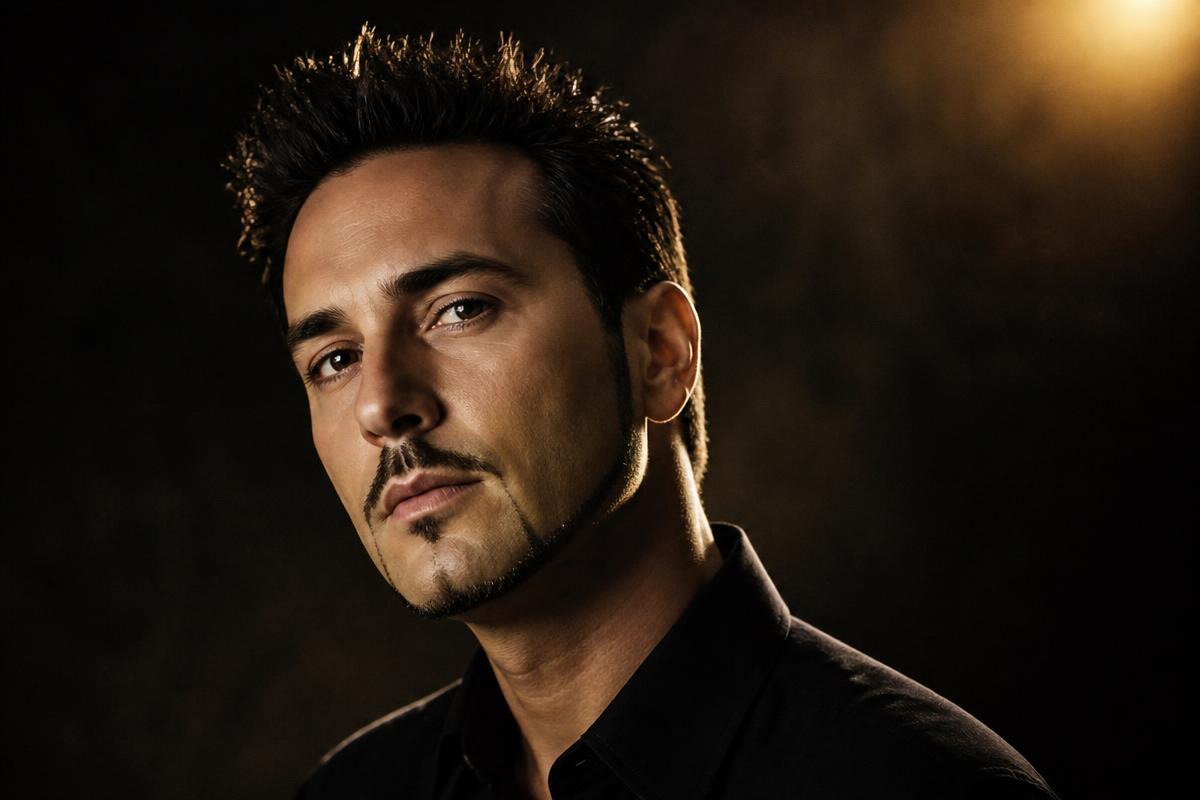
The 2000s facial hair styles, ranked by how they aged
Every style below dominated at least a couple of years of the decade. Here is what each one was, why it worked at the time, and what happens if you wear it now.
| 2000s style | What it was | How it aged | The 2026 version |
|---|---|---|---|
| Soul patch | A small tuft under the lower lip, everything else shaved | Poorly on its own — reads dated and unfinished | Keep it, but grow it into a full chin puff or short goatee so it has context |
| Chinstrap | A pencil-thin line tracing the jaw | Worst of the decade; the thin line exaggerates a weak jaw | A short full beard with a defined — not shaved-in — jawline |
| Thin goatee | Narrow circle beard, tightly shaved cheeks | Passable, but the thin borders look severe | A fuller circle beard with soft cheek lines and length at the chin |
| Designer stubble | Clipper-guard stubble with razored edges | Aged the best of any 2000s look | Same thing, at 3-5mm, with oil so it doesn't feel like sandpaper |
| Mutton chops / sideburn flares | Long sideburns, shaved chin | Novelty then, novelty now | Keep sideburns connected into a full beard instead |
| Faux hawk plus goatee | Spiked hair paired with a small goatee | Very locked to the era | Textured crop with a mid-length beard and a taper fade |
| Full beard | Rare in the 2000s outside of music and sport | Better than everything above | The dominant look today — mid-length, groomed, shaped |
Why 2000s facial hair aged the way it did
The decade's styles all relied on contrast: a small amount of hair against a lot of freshly shaved skin. That contrast is unforgiving. It highlights patchiness, it draws a hard line across the jaw, and it needs re-shaving every day or two to hold. It also meant almost nobody conditioned their facial hair — there was barely any hair to condition. Ingrown hairs, razor burn, and shaved-skin irritation were simply part of the look.
The 2010s reversed all of it. Length hid patchiness, blended edges flattered the face, and beard oil went from niche to normal. What survives from the 2000s today are the styles that can absorb some length.
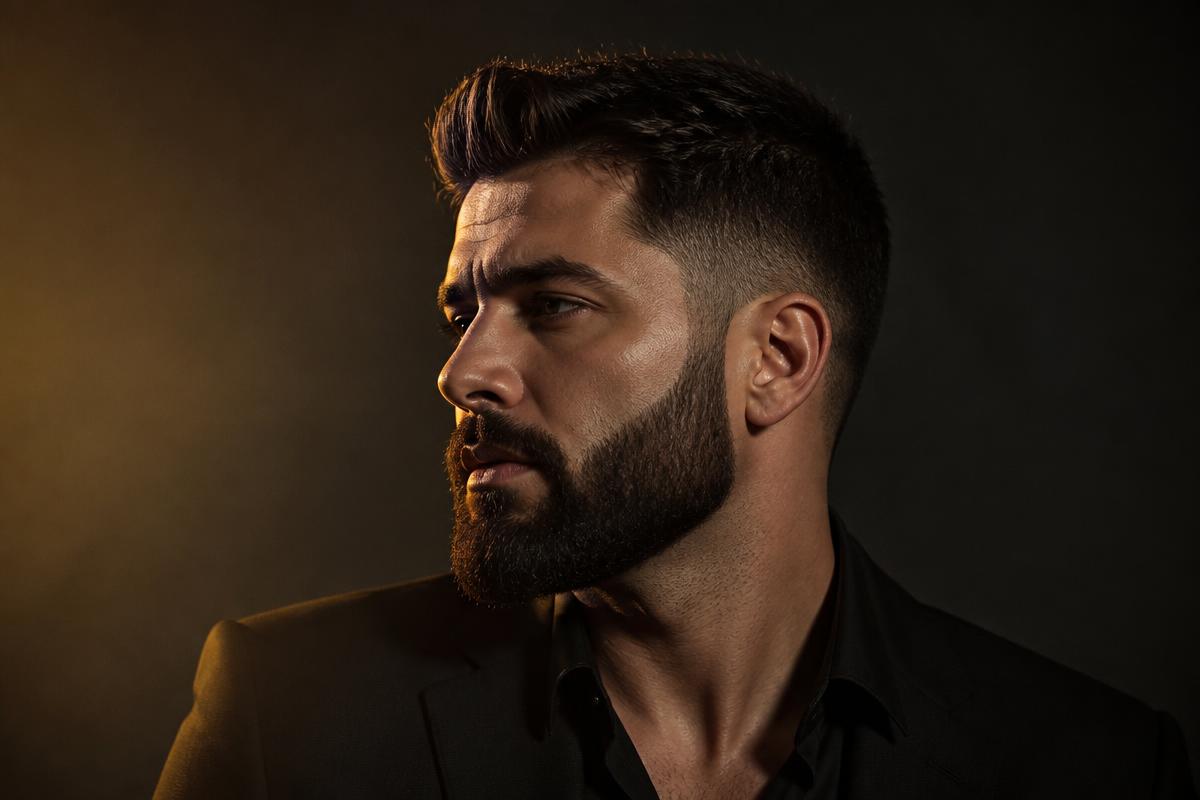
How to wear a 2000s style now without looking like a throwback
Three rules cover it. First, add length — anything under about 3mm reads as a shave-line style rather than a beard. Second, blend rather than carve; the cheek line should be defined at the top and softened as it drops, and the neckline should sit a finger-and-a-half above the Adam's apple. Third, condition daily. A 2000s shape on healthy, soft, oiled hair reads as intentional. The same shape on dry, brittle hair reads as a photo from a flip phone.
Watch: where the cheek line belongs
Beard Cheek Line Placement — Full Guide
A bad cheek line ruins the whole shape. Here's the natural line — and why most guys carve it too low.
- ·Find your natural line
- ·The mustache-to-sideburn rule
- ·Don't shave above the natural line
- ·Softening vs sharpening
- ·Weekly upkeep
The cheek line is the single detail that separates a modern shaped beard from a carved 2000s one — set it too low and you are back in chinstrap territory.
Watch: the neckline, done right
How To Trim A Beard Neckline — Full Guide
Stop butchering your neckline. The two-finger rule and clean lines that hold for two weeks.
- ·Finding your natural neckline
- ·Two-finger rule above the Adam's apple
- ·Drawing a clean curved line
- ·Trimming without cutting too high
- ·Blending the fade
- ·Final grooming pass
The maintenance the 2000s skipped
Any short or sculpted style spends most of its life at stubble length, which means the skin underneath is doing the visual work. Wash two or three times a week, oil daily to stop the itch and flaking that plagued the era, and use balm once the length is enough to move. That is the entire difference between a chin strap in 2004 and a defined jawline in 2026.
Watch: oiling a stubble-length beard
Beard Oil On Stubble — Full Guide
Yes — and you probably should. Stubble is where beard oil earns its keep on the skin underneath.
- ·Why stubble itches
- ·Beard oil vs face oil
- ·2–3 drops is enough
- ·Massage into the skin first
- ·Daily is fine
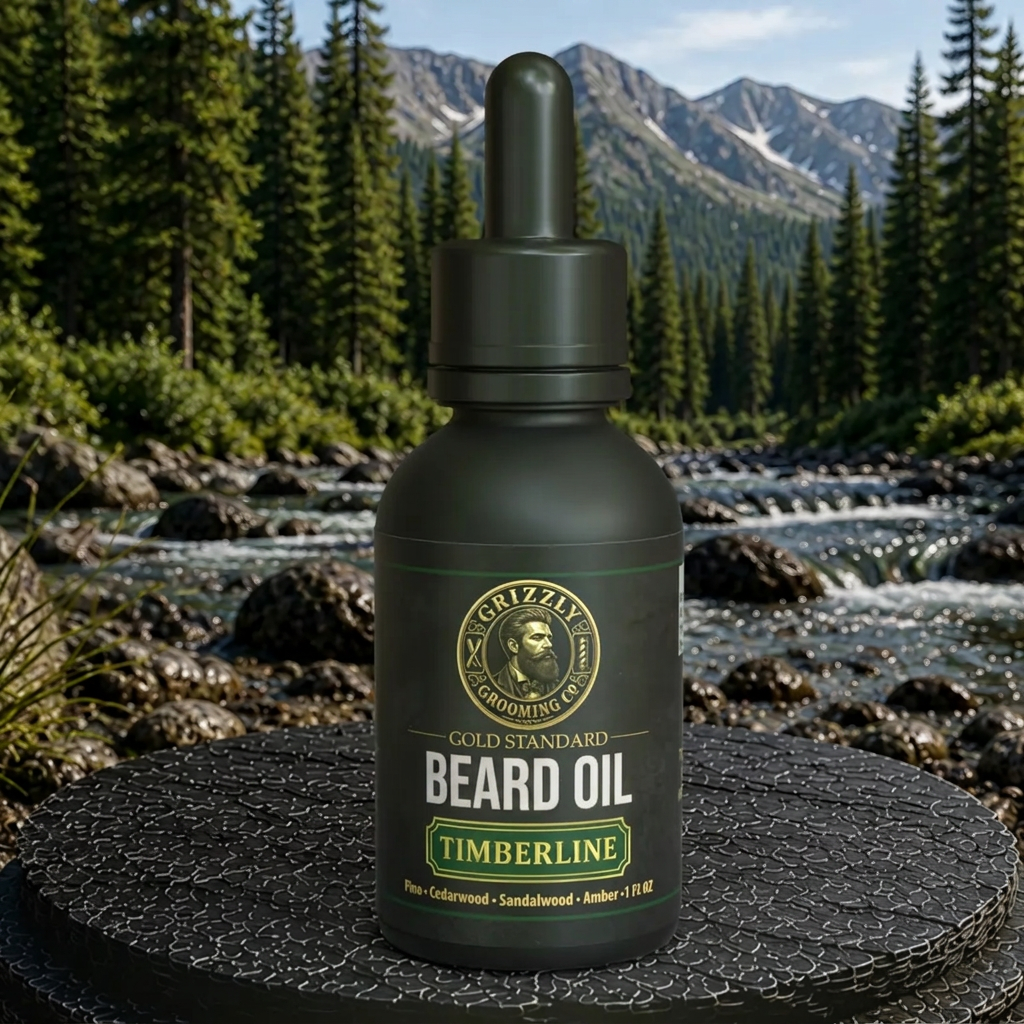
Gold Standard Beard Oil — nine premium carrier oils that keep short beards soft and shaved edges calm.
Build the kit for a sculpted beard
- ›Gold Standard Beard Oil
- ›Gold Standard Beard Balm
- ›Gold Standard Mustache Wax
- ›Gold Standard Beard Wash
- ›Complete Beard Kit
Keep reading
- ›Beard trends throughout time
- ›Beard types for face shapes
- ›The beard fade: how to master this modern style
- ›How to shape a perfect beard neckline
The product landscape of the 2000s versus today
Beard oil as a mainstream product barely existed commercially in the 2000s — most men reaching for something used plain aftershave balm or nothing at all on the small amount of facial hair the era favored. That gap in the market is a large part of why so many 2000s styles looked irritated and razor-burned in photos; there was no dedicated conditioning category to reach for.
The rise of beard-specific oil, balm, and wash through the 2010s is arguably a bigger factor in why beards look better today than any styling trend. A 2000s chinstrap recreated today with a proper skin routine underneath looks noticeably calmer and less irritated than the original ever did, independent of the shape itself.
Celebrity influence and how fast trends moved without social media
2000s facial hair trends spread through television, music videos, and magazine covers on a monthly or seasonal cycle, which is glacial compared to how quickly a style spreads today through short-form video. A single celebrity's look could dominate for a year or more with little variation, which is part of why the decade produced such clearly defined, nameable styles rather than the countless micro-trends seen now.
This slower cycle also meant styles had more time to become genuinely dated before fading, which is why 2000s facial hair feels so distinctly tied to its decade in a way that some 2010s and 2020s trends, which rotate faster, may not.
What barbers wish had survived from the era
Not everything from the 2000s deserves the reputation it gets. Precision edging skills — the ability to cut a genuinely straight, clean line by hand rather than relying entirely on a guard — were more common among barbers trained during that era, since the styles demanded it daily. Many barbers who came up later rely more heavily on clippers and guards for shaping.
If you want a modern beard with a crisp cheek or neckline, seeking out a barber with old-school straight-razor edging experience, a skill the 2000s kept alive out of necessity, often produces a cleaner result than a purely clipper-based approach.
The grooming tools that shaped 2000s styles
Home trimmers in the 2000s were simpler than the multi-guard, precision-blade tools common today, which pushed a lot of the era's sharpest lines toward disposable razors and straight-razor barbershop visits rather than an at-home trimmer session. That gap in home tooling is part of why so many 2000s looks depended on a barber or a steady hand with a razor rather than a quick clipper pass.
Multi-blade cartridge razors were relatively new and heavily marketed during the decade, which pushed grooming culture toward extremely close, exposed-skin looks since the tools made that finish easy to achieve. Today's wider range of trimmer guards and attachments is a big part of why current styles can hold more length and more texture without requiring a razor at all.
How different music and film scenes produced different regional looks
2000s facial hair did not look identical everywhere — the emo and pop-punk scenes favored thin, precise lines and heavy hair styling that left little room for a full beard, while hip-hop and R&B visuals of the same years leaned toward the goatee and thin chinstrap combinations that dominate this guide's ranking table. Regional and genre-based scenes moved somewhat independently before trends fully nationalized.
Film and television added another layer, often running a year or two behind music trends and reinforcing whichever look had already gained traction rather than originating new ones. Because these influences moved on separate, slower timelines than today's single unified online trend cycle, a specific look could dominate one scene while barely registering in another during the same year.
The late-2000s shift that set up the modern beard
By the final years of the decade, a visible shift was already underway: fuller beards started appearing in menswear and outdoor-lifestyle media well before they became mainstream, quietly setting up the full beard boom that defined the early 2010s. This transitional period gets little attention because it lacked a single iconic style the way the earlier chinstrap and soul patch years did.
Recognizing this transitional era matters because it explains why the jump from thin, carved 2000s styles to fuller 2010s beards did not happen overnight. The late-2000s period was effectively a multi-year practice run where men slowly grew out the sharply edited looks this guide describes before beard culture fully embraced length and density.
Reviving a 2000s look for a themed event without full commitment
A themed party, a costume, or a one-off photo shoot is a reasonable occasion to recreate a genuine 2000s look exactly as it was, sharp lines and all, without needing to maintain it as a daily style. Temporary recreation works best with a trimmer and a steady hand rather than a razor, since a slightly softer modern version photographs just as recognizably '2000s' without the irritation a full razor-line look causes on unaccustomed skin.
Condition the skin heavily in the days before and after a temporary sharp-edged look like this, since exposed, freshly-shaved skin that is not used to daily razor maintenance reacts more than skin that maintains the look year-round. Treat it as a costume, not a trial run for a permanent switch, and let the beard grow back out normally afterward.
Frequently Asked Questions
What facial hair was popular in the 2000s?+
Soul patches, chinstraps, thin goatees, and razored designer stubble. The decade favoured small shapes with sharp shaved edges rather than full beards, which only became mainstream again in the 2010s.
Are 2000s facial hair styles coming back?+
Some are. Goatees, chin puffs, and designer stubble are returning as part of the wider Y2K revival, but worn fuller and with softer edges than the originals. Pencil-thin chinstraps have not come back and likely won't.
Why was the chinstrap beard so popular?+
It was quick to maintain with a trimmer, it flattered the era's clean-cut look, and it was heavily visible in music and sport through the early 2000s. The thin line was the whole point — it read as precise rather than rugged.
What is the modern version of a soul patch?+
A chin puff or a short circle beard. Keep the hair under the lower lip, but connect it to the chin and a light mustache so it looks deliberate rather than isolated.
Does short 2000s-style facial hair still need beard oil?+
More than a long beard does, in some ways. Short and shaved styles expose far more skin, so oil is what prevents the itch, flaking, and razor irritation that defined the era.
What is the most timeless facial hair style?+
Well-kept stubble and a mid-length full beard. Both have moved in and out of fashion but never looked dated, because neither depends on a shaved line that ties them to a specific year.
Did beard oil exist as a product category in the 2000s?+
Not in any mainstream sense. Most men used nothing or plain aftershave balm, which is part of why 2000s facial hair often looked irritated in photos — there was no dedicated conditioning routine available.
Why did 2000s facial hair trends last longer than today's trends?+
They spread through television, music, and magazines on a slower monthly or seasonal cycle rather than the rapid pace of short-form video today, giving each style more time to become clearly defined and then dated.
What skill from 2000s barbering is still valuable today?+
Hand-edged straight-razor precision lines. Barbers trained in that era practiced them daily out of necessity, and that skill often produces a cleaner cheek or neckline than a purely clipper-and-guard approach.
Why did 2000s facial hair rely so much on razors instead of trimmers?+
Home trimmers of the era had fewer guard options than today's tools, which pushed sharp, precise lines toward disposable razors and barbershop straight-razor work rather than an at-home clipper session. Modern trimmers can now achieve similar precision without a razor.
Did 2000s facial hair trends look the same everywhere?+
No. Music and film scenes moved somewhat independently — emo and pop-punk favored thin precise lines, while hip-hop and R&B visuals leaned toward goatees and chinstraps — so a specific look could dominate one scene while barely appearing in another during the same year.
Can I recreate a 2000s look for a costume or event without keeping it long-term?+
Yes. Use a trimmer for a slightly softer version rather than a razor, and condition the skin heavily in the days before and after, since skin unaccustomed to a sharp-edged style reacts more than skin that maintains it daily.
"Followed the ritual in this article for 6 weeks — beard is thicker, softer, and the itch is gone. My wife keeps stealing my Timberline oil for the smell."
Join The Grizzly Brotherhood
Scent guides, grooming tips, and early access to new drops. No discount bait — just the good stuff.
Unsubscribe anytime · No spam
Get Gold Standard Beard Oil
- Everything in this article, one click.
- Limited time 20% off entire site.
- 30-day money-back guarantee.
Related Guides
Morning, evening, and weekly — in the right order.
Nine-oil breakdown, what to avoid on a label, and how to judge a formula.
Butter-forward vs wax-forward, hold levels, and the layering test.
The wash, condition, and oil sequence that changes coarse hair.
Neckline, cheekline, and the cleanup that keeps length.
What actually moves the needle across a full growth cycle.
Every oil we use, why it's in there, and how we compare.
Assemble a kit around your beard length and skin type.
Sources & Research
- International Journal of Molecular Sciences — Anti-Inflammatory and Skin Barrier Repair Effects of Topical Application of Some Plant Oils
- Indian Journal of Dermatology — Moisturizers: The Slippery Road
- American Academy of Dermatology — Face Washing 101
- American Academy of Dermatology — Dermatologists' Tips for Relieving Dry Skin
- Grizzly Grooming Co. formulation notes and batch testing records